

In the highly competitive automotive industry, where safety, aesthetics, and durability are paramount, manufacturers rely on stringent technical standards to ensure component quality. One such standard is the Q/SQR S7-36-2014 standard for injection-molded column cladding assemblies, a business-specific specification developed by Chery Automobile, a leading Chinese automaker.
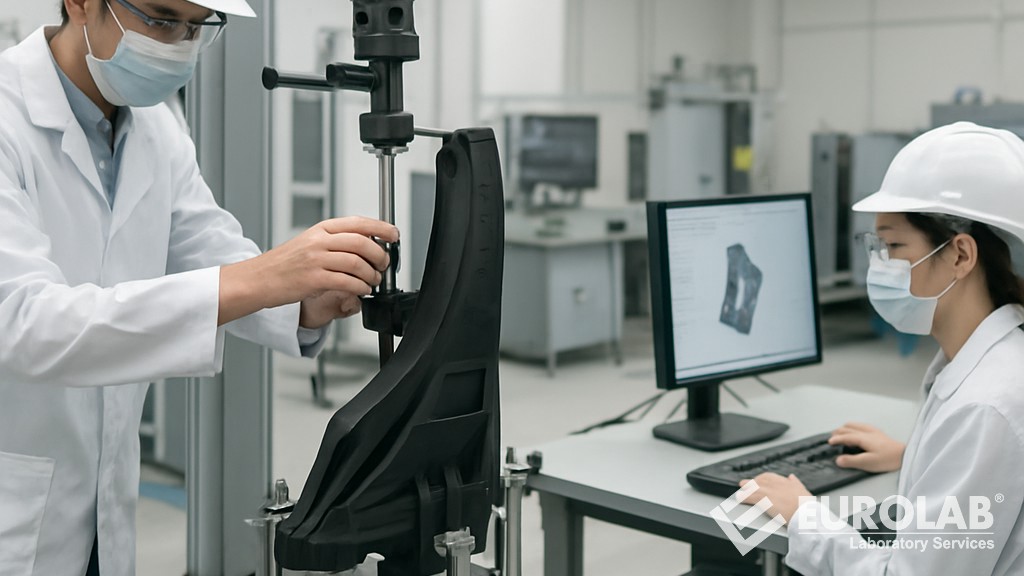
This standard describes performance requirements and test protocols for injection-molded pillar trim assemblies, which are essential interior components providing structural support and visual appeal around a vehicle's A, B, and C pillars. This standard reflects Chery's commitment to high-quality materials that withstand real-world challenges such as temperature fluctuations, humidity, and mechanical wear. As vehicles evolve with electric and autonomous capabilities, these standards play a vital role in maintaining passenger comfort and safety.
Standards developed by Chery Automobile are vital for supply chain consistency, especially for suppliers providing plastic parts. Unlike national or international norms (e.g., ISO or GB standards), Q/SQR S7-36-2014 and similar standards allow Chery to tailor requirements to its vehicle designs. In these designs, pillar trims must seamlessly integrate with instrument panels and doors. This standard ensures that the trims not only look premium but are also resistant to deterioration throughout the vehicle's lifespan. This allows for compliance with global standards such as SAE or VW, while also addressing the specific environmental challenges of regions with extreme summer heat and winter cold.
The Q/SQR S7-36-2014 standard specifically targets injection-molded pillar trim assemblies made from thermoplastic materials such as polypropylene (PP) or acrylonitrile-butadiene-styrene (ABS) blends. These assemblies are critical for noise insulation, impact absorption in collisions, and aesthetic improvements in passenger compartments. This standard applies to both original equipment and aftermarket parts and mandates compliance for Chery-approved suppliers.
Key considerations in the Q/SQR S7-36-2014 standard are as follows:
This standard focuses on injection molding, a process where molten plastic is poured into molds under high pressure, and addresses common defects such as warping, collapse marks, or voids that can compromise safety or lead to costly recalls.
The essence of the Q/SQR S7-36-2014 standard lies in rigorous performance criteria verified by standard laboratory testing. These criteria ensure that coatings withstand automotive environments without cracking, fading, or losing functionality. Key requirements include:
These tests are performed on representative samples where acceptance criteria depend on statistical sampling plans (e.g., AQL levels). Discrepancies often trigger root cause analysis using failure mode and effects analysis (FMEA).
The implementation of the Q/SQR S7-36-2014 standard has broader implications for Chery’s ecosystem. Suppliers must invest in advanced molding equipment and quality laboratories to comply and foster innovation in environmentally friendly materials such as bio-based plastics. For example, the standard’s emphasis on aging resistance supports Chery’s progress toward longer warranties.
For many years, our organization, with its competent and experienced staff, has been understanding the needs of its customers, providing the advanced testing services they require, and assisting in the establishment, implementation, and improvement of management systems. Within this framework, we also provide testing services to businesses in accordance with the "Q/SQR S7-36-2014 Standard for Injection Molded Column Lining Assemblies".
To get an appointment, to get more detailed information or to request an evaluation, you can ask us to fill in our form and reach you.

