

The “DAF KEUR 00821-024 Resistance to Mold Growth in Truck Interior Materials” standard, developed as part of the official approval or certification process for parts, materials, or processes used in trucks manufactured by DAF, a Dutch truck manufacturer, describes a test method to evaluate how well interior materials (such as textiles, plastics, artificial leather, foam, or coatings) used in truck cab panels, seats, and trims resist mold/mold growth. Mold can grow in humid and warm environments. This is common in truck cabs due to long-haul driving, climate changes, condensation, or spills. Preventing mold growth ensures hygiene, prevents bad odors, preserves material integrity, and prevents health problems for drivers.
This standard applies to non-metallic interior trim materials in DAF trucks. Suppliers must demonstrate compliance for parts to be approved.
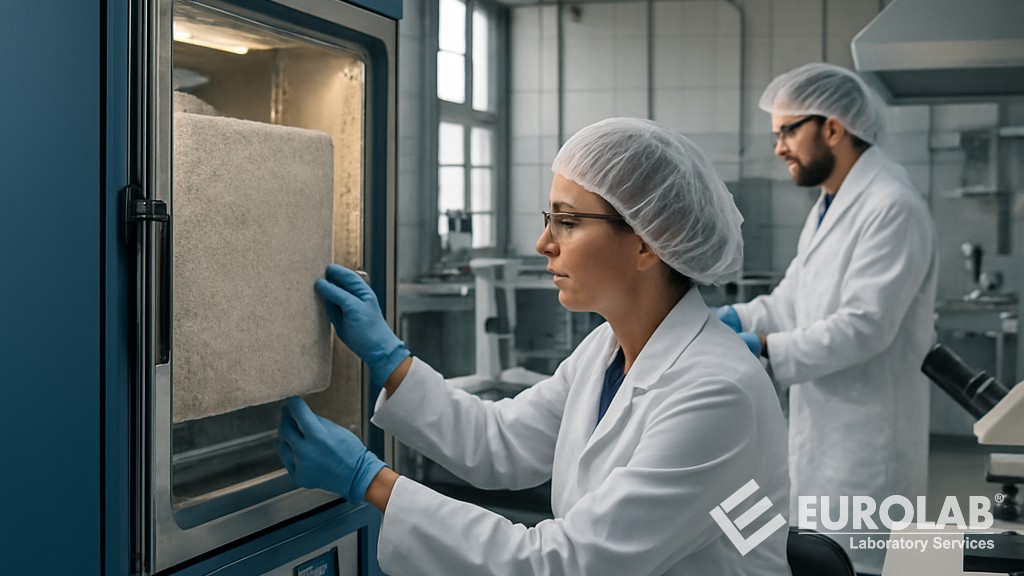
During testing, samples are exposed to fungal spores under controlled humid and warm conditions (typically following principles similar to ISO 846, ASTM G21, or related microbial resistance tests). After an incubation period (typically several weeks), the material is visually and sometimes microscopically examined for fungal growth. Gradings assess the degree of colonization (e.g., no growth results in a pass, limited or dense growth results in a failure).
Interior materials in commercial vehicles such as trucks face challenging conditions: high humidity, temperature fluctuations, and limited ventilation. Compliance with the DAF KEUR 00821-024 standard helps to:
In truck cabs, particularly in long-haul vehicles like DAF models, interior panels, textiles, foams, seats, and upholstery are constantly exposed to conditions that promote mold/fungal growth. These include high humidity from the driver's breathing, wet clothing/boots, condensation (due to temperature changes between day/night or hot/cold climates), inadequate ventilation during rest periods, spills, and limited cleaning opportunities. The DAF KEUR 00821-024 standard specifically tests for resistance to this fungal growth to ensure materials perform reliably through years of intensive use.
The main reasons why this standard is necessary are as follows:
Studies on vehicle interiors show high levels of fungus in cabins, especially when heating, ventilation, and air conditioning (HVAC) systems or filters become reservoirs for and recirculate fungus. For professional drivers, chronic low-level exposure can accumulate, potentially affecting concentration, fatigue, and long-term health.
In commercial trucks that need to last 10-15 years at high mileage, preventing this deterioration saves on repairs, downtime, and warranty claims.
In conclusion, specifying and testing resistance to fungal growth is not merely an optional feature, but a necessity for safety, comfort, durability, and cost control in commercial vehicles. Materials that meet the DAF KEUR 00821-024 standard (typically using adapted methods similar to ASTM G21 or ISO 846 standards) help keep the cab hygienic, odor-free, structurally sound, and healthy throughout the truck's service life.
For many years, our organization, with its competent and experienced staff, has been understanding the needs of its customers, providing the advanced testing services they require, and assisting them in the establishment, implementation, and improvement of management systems. Within this framework, we also provide testing services to businesses in accordance with the DAF KEUR 00821-024 standard.
To get an appointment, to get more detailed information or to request an evaluation, you can ask us to fill in our form and reach you.

