

The “Daimler PAPP PWT 7333 Heating Behavior of Materials” standard, developed by the Daimler-Benz automotive company, describes a procedure used to evaluate the thermal behavior and surface reflectivity of materials exposed to sunlight, particularly leather and interior upholstery components. As part of a material qualification system for automotive interiors, this standard is especially important for premium vehicle interiors where cabin comfort, thermal management, and color stability are critical performance factors.
Daimler PAPP PWT 7333 is a material testing specification relating to:
Modern car interiors can overheat in direct sunlight. Dark-colored materials, in particular, absorb near-infrared radiation, leading to the following:
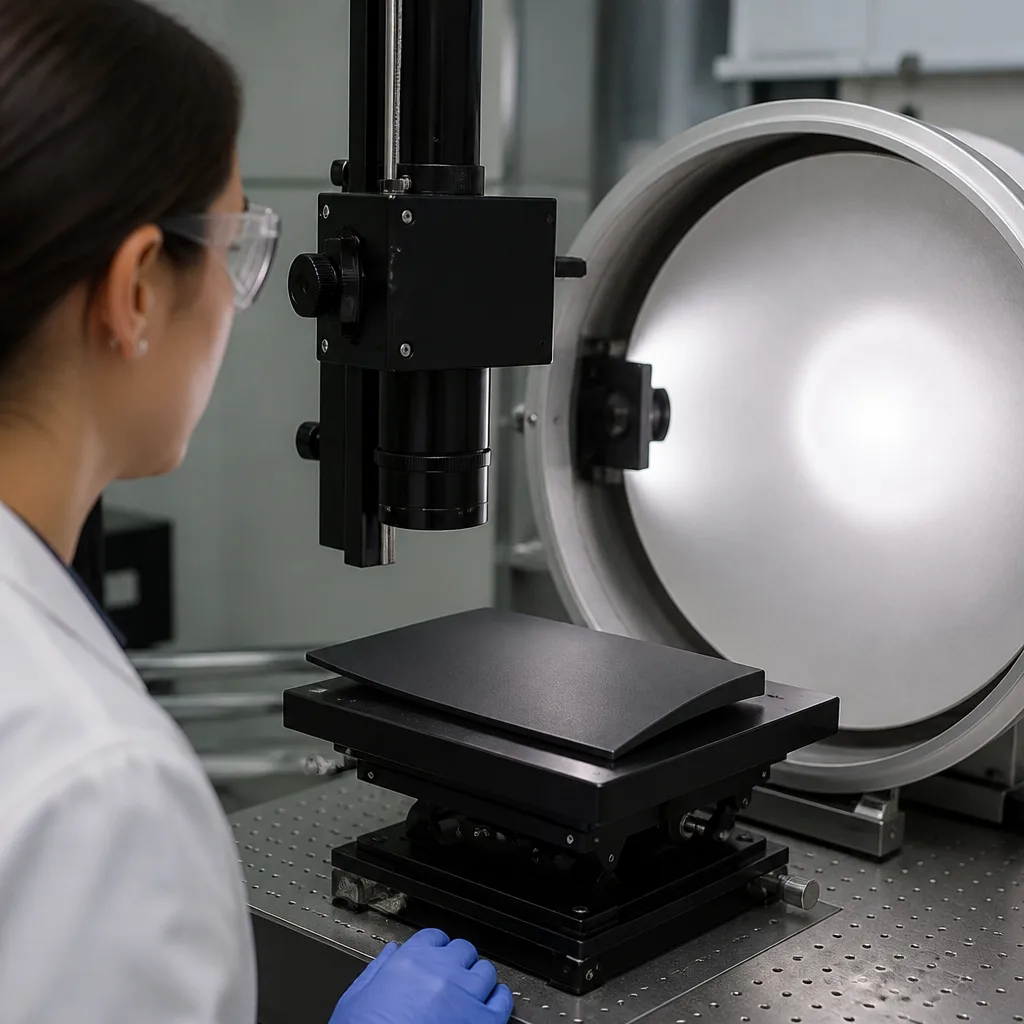
This standard is designed to measure how much solar energy a material reflects and how much it absorbs. Materials with higher reflectivity generally stay cooler when exposed to sunlight. The described test method measures the surface reflectivity of materials, typically in the near-infrared wavelength region.
The general methodology includes the following:
This method is commonly applied in the following cases:
Generally, this standard is listed alongside other automotive original equipment manufacturer specifications, such as:
Many accredited laboratories describe the test as similar to solar reflectance measurements at approximately 980 nm infrared wavelength. This suggests that automotive manufacturers use similar approaches to manage cabin temperature and passenger comfort.
The thermal behavior of automotive materials refers to how materials inside and outside a vehicle absorb, retain, and release heat when exposed to sunlight or high temperatures. This property is extremely important in vehicle engineering as it directly affects comfort, safety, durability, and energy efficiency. For example,
In electric vehicles in particular, cabin cooling can significantly reduce battery range during summer driving. Using materials with lower heat absorption helps:
Repeated heating and cooling cycles also cause thermal stress. Manufacturers test the heating behavior of materials to ensure they retain their appearance, mechanical strength, texture, and safety performance characteristics throughout years of use.
Therefore, car manufacturers are increasingly seeking new technologies to provide infrared reflective pigments, cool-touch coatings, and advanced composite materials for enhanced protection.
This supports broader automotive goals related to energy efficiency, emission reduction, and sustainable mobility.
In conclusion, heating behavior is important because it affects almost every aspect of vehicle performance and user experience:
As vehicles become more advanced and electrified, thermal materials engineering is becoming an increasingly important part of automotive design.
For many years, our organization, with its competent and experienced team, has been understanding the needs of its clients, providing the advanced testing services they require, and assisting them in the establishment, implementation, and improvement of management systems. Within this framework, we also provide testing services compliant with the Daimler PAPP PWT 7333 standard.
To get an appointment, to get more detailed information or to request an evaluation, you can ask us to fill in our form and reach you.

