

The “VW TL 212 Oxide coatings on aluminum parts - Surface protection requirements” standard, developed by the Volkswagen automotive company, describes the requirements for anodic oxide coatings on parts made of pure aluminum and processed aluminum alloys according to the DIN EN 573-3 standard, and for brake calipers made of cast alloys according to the DIN EN 1706 standard.
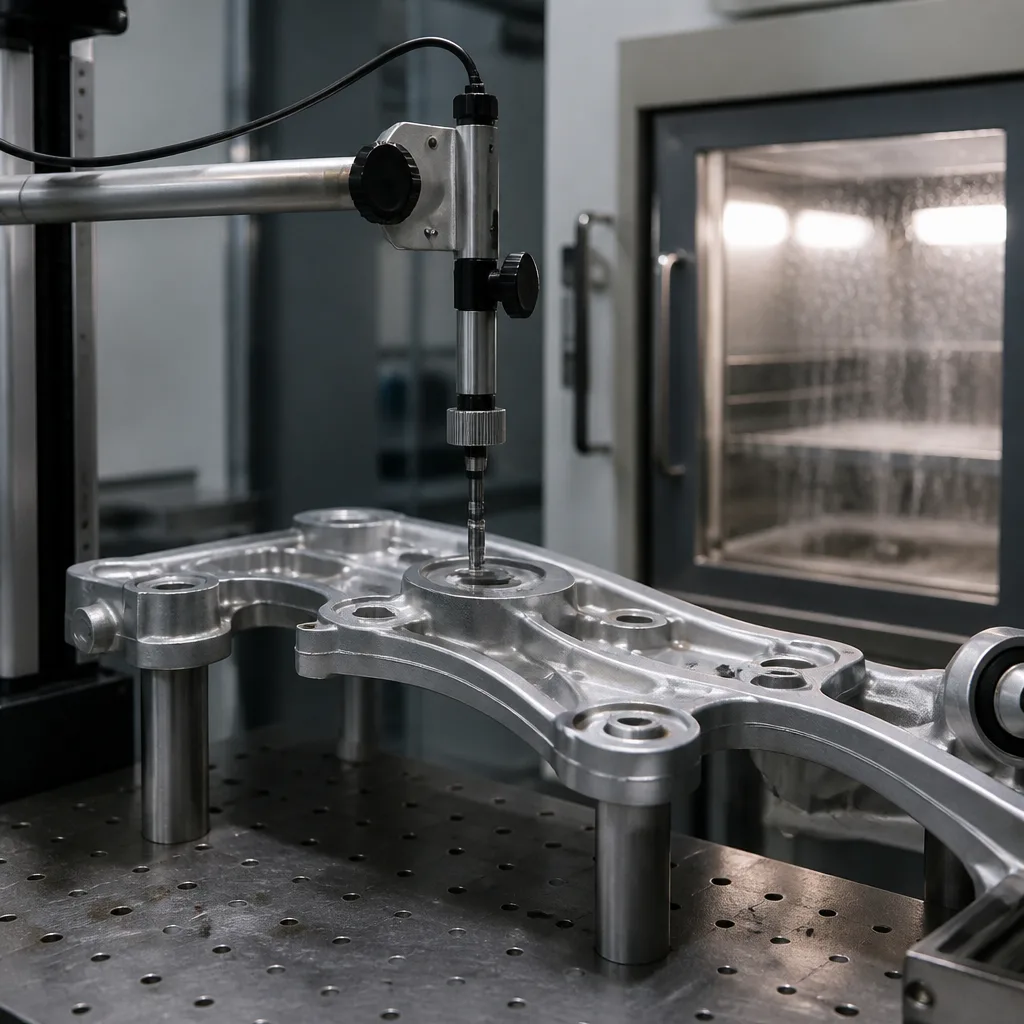
Coatings are suitable for decorative interior and exterior automotive components. However, they can also meet functional requirements, such as for components in engine compartment and chassis areas.
The VW TL 212 standard defines the requirements for anodic oxide protective coatings on aluminum components used in Volkswagen Group vehicles and related applications. This standard belongs to the broader family of Volkswagen surface protection specifications and is often mentioned together with the VW 13750 standard.
The VW TL 212 standard ensures consistent quality, corrosion resistance, durability, and appearance for anodized aluminum parts in automotive environments. According to this standard,
This standard covers various critical aspects of the anodizing process and final coating performance, and the basic requirements are defined as follows:
Anodizing according to the VW TL 212 standard offers several advantages:
Companies supplying the Volkswagen Group must comply with the VW TL 212 standard when specified in drawings or procurement specifications.
Like most VW specifications, this standard has been updated over the years. These updates generally reflect the following:
Other relevant Volkswagen standards are as follows:
In short, the VW TL 212 standard is a technical supply specification that defines the requirements for anodic oxide coatings applied to aluminum automotive components. This standard focuses on corrosion protection, decorative appearance, wear resistance, coating thickness, sealing quality, and durability testing for aluminum and aluminum alloy parts used in vehicles.
The main objective of the VW TL 212 standard is to ensure that aluminum components maintain the following:
Modern vehicles contain many exposed aluminum components that are susceptible to oxidation, discoloration, road salts, moisture, and mechanical wear. Anodizing creates a controlled oxide layer that protects the metal surface while also improving aesthetics.
The VW TL 212 standard covers anodized oxide coatings for the following materials:
The specification distinguishes between the following:
Decorative coatings are primarily used on the visible surfaces of vehicles, while functional coatings are designed for wear and corrosion resistance in harsh mechanical environments.
This standard defines various coating classifications.
These coatings are commonly used for:
Decorative surfaces should exhibit the following:
Visual inspections are generally performed under natural light conditions.
These coatings are designed for the following:
Hard anodized coatings provide excellent wear resistance and increased hardness for parts subjected to mechanical stress. Some variants also include fluoropolymer impregnation to improve friction properties.
In short, the VW TL 212 standard represents Volkswagen's commitment to high-quality, reliable surface engineering for aluminum components. Whether it's a visible trim piece requiring a superb decorative finish or a functional brake caliper needing robust wear and corrosion protection, this specification ensures that parts meet the demanding requirements of modern automotive use.
For many years, our organization, with its competent and experienced team, has been understanding the needs of its clients, providing the advanced testing services they require, and assisting them in the establishment, implementation, and improvement of management systems. Within this framework, we also provide testing services compliant with the VW TL 212 standard.
To get an appointment, to get more detailed information or to request an evaluation, you can ask us to fill in our form and reach you.

