

The “Fiat 9-55253 Specification for various plastic components - Surfactant - Resistance to test environment” standard, developed by Fiat Chrysler Automobiles (FCA) (now Stellantis), an Italian-American automotive company, is a significant supply specification. This standard describes the technical requirements and test procedures for various plastic components made from thermoplastic or thermoset materials used in Fiat vehicles.
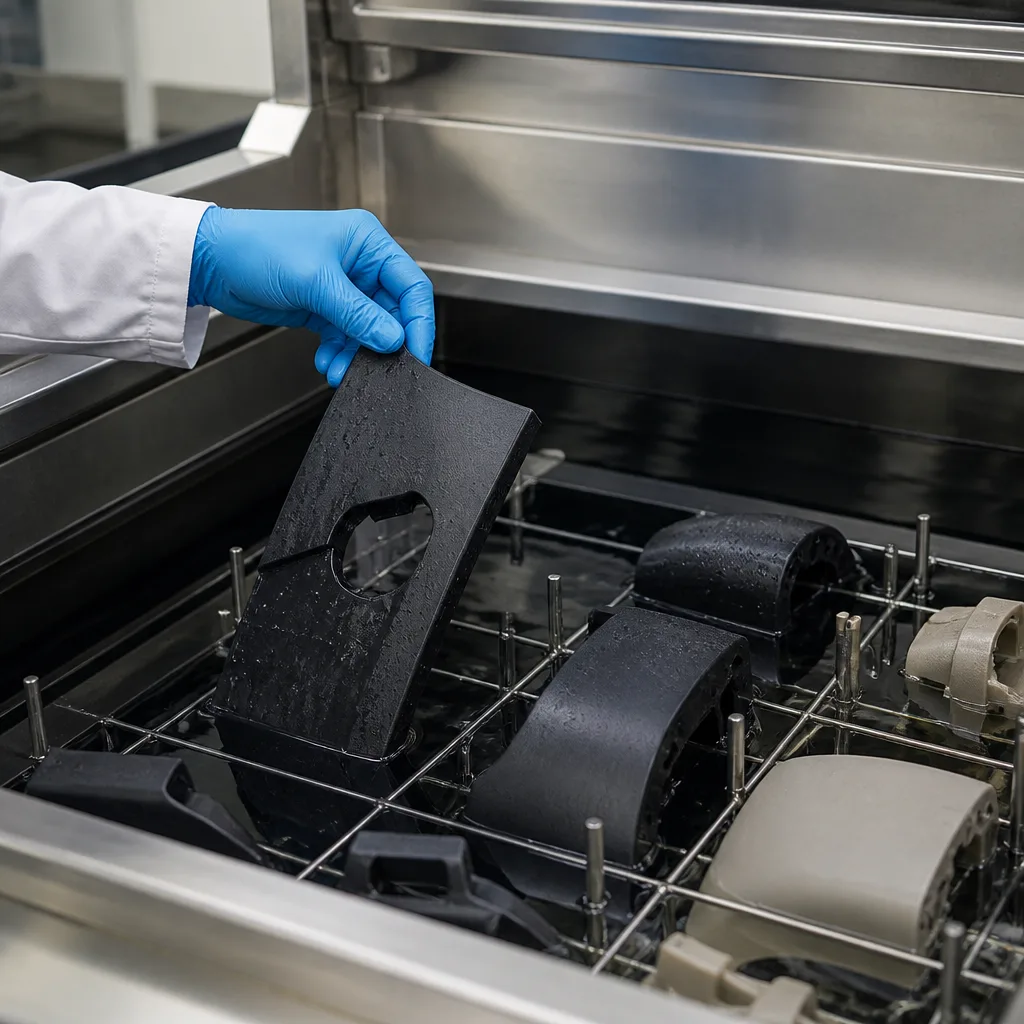
This standard ensures that interior and exterior plastic parts, such as trim pieces, housings, instrument panels, and other non-structural components, meet stringent criteria for durability, appearance, chemical resistance, and environmental performance.
This standard covers a wide range of requirements for plastic parts. These include:
Although a considerable amount of time has passed since the last revision, this standard continues to be actively used by suppliers and testing laboratories worldwide.
In the automotive industry, plastic components make up a significant portion of a vehicle's weight and visible surfaces. The Fiat 9-55253 standard helps to ensure the following:
This standard covers hundreds of parts in Fiat models, including:
In short, the Fiat 9-55253 standard is an automotive material and component testing specification used within the Fiat engineering standards system. Like many Fiat 9 series standards, it aims to verify the durability, performance, and long-term reliability of interior or exterior vehicle materials under defined environmental and mechanical conditions.
This standard belongs to a broader family of Fiat verification procedures used by suppliers and first-tier manufacturers during vehicle development and component approval.
Fiat 9-55253 and similar original equipment manufacturer standards generally define the following:
These standards generally apply to:
The goal is to ensure that the parts maintain their appearance, safety, and functionality throughout the vehicle's lifespan.
Engineering standards in the Fiat 9 series generally focus on material qualification and durability testing. These include:
Tests are typically conducted in controlled laboratory conditions that simulate real automotive environments. For example,
Automotive components are subjected to harsh operating conditions for many years. The Fiat 9-55253 standard helps manufacturers ensure the following:
Typical automotive components evaluated under the Fiat 9-55253 standard include:
Fiat standards generally use international specifications in conjunction with International Organization for Standardization (ISO) standards, SAE automotive procedures, DIN material standards, and Fiat internal specifications. These combined requirements help create a comprehensive automotive verification system.
In conclusion, the Fiat 9-55253 standard is part of a comprehensive engineering verification framework used by Fiat to ensure that automotive materials and components meet stringent durability and quality expectations. This standard plays a significant role in:
Such standards are crucial in modern automotive engineering because vehicle materials must withstand years of environmental and mechanical use while maintaining safety, functionality, and aesthetic quality.
For many years, our organization, with its competent and experienced staff, has been understanding the needs of its customers, providing the advanced testing services they require, and assisting them in the establishment, implementation, and improvement of management systems. Within this framework, we also provide testing services in accordance with the Fiat 9-55253 standard.
To get an appointment, to get more detailed information or to request an evaluation, you can ask us to fill in our form and reach you.

