VW TL 788 Diesel Fuel - Fuel Requirements
In the “VW TL 788 Diesel fuel – Fuel requirements” standard developed by the Volkswagen automobile company, fuel requirements for diesel fuel are described.
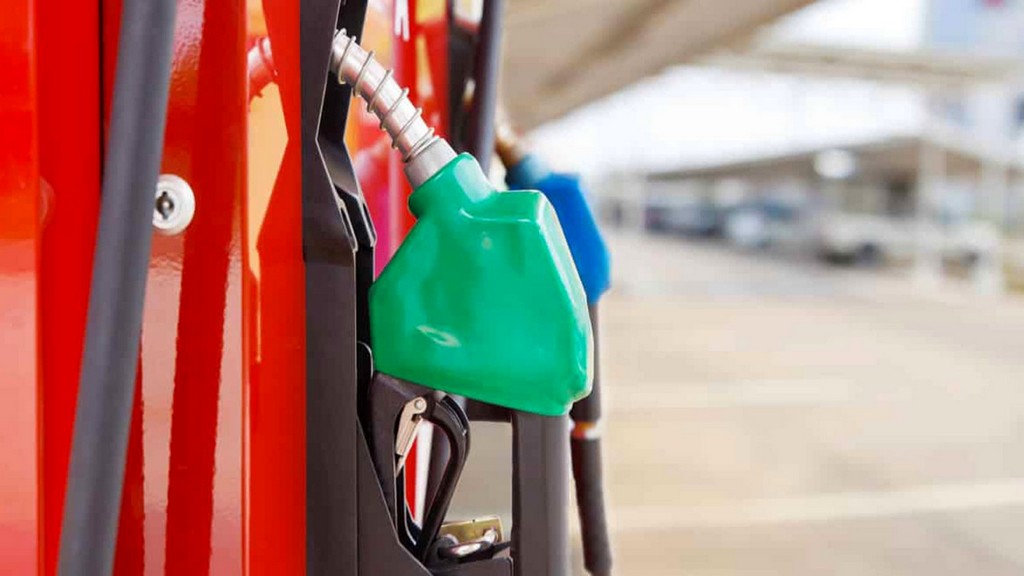
The diesel fuels described herein are distillate hydrocarbon-based or paraffinic diesel fuels obtained from synthesis or hydration processes and contain quality improvement additives and some types of fatty acid methyl ester (biodiesel) additives.
The general requirements in this standard are as follows:
- Initial procurement and approval of changes must be made in accordance with the VW 01155 standard.
- Sample inspection, release and delivery must be carried out according to the VW 50156 standard.
- Material conformity must be made according to the VW 91101 standard.
- A minimum of 2,5 l of fuel is required for a full test.
- Unless different specifications are required here, diesel fuels must comply with DIN EN 590 or DIN EN 15940 standards.
- As received, fuels should appear clear and haze-free when visually inspected.
Types and standard part numbers must conform to the table provided in the standard. For starting diesel engines in vehicles and supplying them to gas stations and engine test beds in three different types of facilities, seamless types A and B are valid. For initial running-in at separate engine production facilities, types C, X, Y, and Z are valid. For initial running-in of diesel-engined vehicles in separate vehicle production, types X, Y, and Z are valid. The standard part number must be stated on the delivery note and on containers.
The shelf life should be at least 6 months in its unopened original packaging at a temperature between -20 degrees and 30 degrees.
In this standard, the types are determined as follows:
- TL 788
- N 052 788 00: Diesel fuel according to DIN EN 590, with additives
- N 052 788 03: Diesel fuel according to TL 788 standard, red color
- TL 788-A
- N 052 788 A0: Diesel fuel according to DIN EN 590, with additives, without fatty acid methyl ester compounds (biodiesel), short designation “B0”
- N 052 788 A3: Diesel fuel according to TL 788-A standard, red color
- TL 788-B
- N 052 788 B0: Diesel fuel according to DIN EN 590, with additives, with a defined fatty acid methyl ester component of 7 percent (vol/vol) (biodiesel), short designation “B7”
- N 052 788 B3: Diesel fuel according to TL 788-B standard, red color
- TL 788-C
- N 052 788 C0: Diesel fuel for initial running-in of engines in production, with improved lubrication properties and free of fatty acid methyl ester compounds
- TL 788-R
- N 052 788 R0: Paraffinic diesel fuel obtained from synthesis or hydration processes, carbon dioxide reduced, according to DIN EN 15940, for start-up in vehicle and engine production, without fatty acid methyl ester components
- TL 788-X
- N 052 788 X0: Diesel fuel, free of fatty acid methyl ester components, for initial running-in process in vehicle and engine production
- TL 788-Y
- N 052 788 Y0: Diesel fuel for initial running-in in vehicle and engine production, free of fatty acid methyl ester components, with a maximum sulphur content of 15 mg/kg
- TL 788-Z
- N 052 788 Z0: Diesel fuel for initial running-in in vehicle and engine production, free of fatty acid methyl ester compounds, with improved long-term low-temperature stability
Additives should be optimized for:
- Cleaning effect on fuel injectors.
- Corrosion protection.
- Anti-foaming: The use of silicon-free additives is preferable. If silicon-containing additives are used, the silicon content is restricted.
In all cases, the standard variant with a maximum sulfur content of 10 mg/kg must be requested from the supplier. In facilities outside the European Union, the special variant with a maximum sulfur content of 350 mg/kg may be used or, in special cases, if the standard variant is not available, may remain in use.
Fuels specified in this standard must be free of ash-forming compounds, with the exception of additives containing silicone as defoamers. The fuel must be clear and haze-free. Delivery must be separated into containers of one type each.
Oxidation stability must be verified according to the method described in the standards DIN EN ISO 12205 and DIN EN 16091.
In short, the VW TL 788 standard is a critical standard that defines the quality and performance requirements for diesel fuel in Volkswagen vehicles, ensuring engine efficiency and longevity. The main reasons for this standard's importance are:
- Engine protection: This standard ensures that diesel fuel has adequate lubricating properties. It helps prevent wear and damage to fuel injectors, pumps, and other engine components. It also protects against corrosion and deposit formation, which can reduce engine performance.
- Environmental compatibility: This standard ensures that the fuel promotes clean combustion, which is critical for:
- Meeting emissions regulations
- Supporting the use of diesel particulate filters and selective catalytic reduction systems
- Optimized performance: Fuel must meet cetane rating requirements (similar to the octane rating of gasoline), ensuring proper ignition and efficient combustion. This ensures smooth engine operation, reduced noise, and improved cold start performance, especially in cold climates.
- Consistency and quality control: This standard provides a consistent basis for fuel quality across global markets and ensures:
- No change in engine behavior due to fuel
- Original equipment manufacturer approved fuel compatibility to prevent warranty voiding
- Compatibility with advanced technologies: Modern VW diesel engines use high-pressure fuel injection systems and aftertreatment devices. Bad fuel can clog or damage these systems. This standard ensures compatibility and durability.
In short, this standard exists to protect the engine, meet emissions targets, maintain warranty coverage, and ensure the vehicle operates reliably and efficiently on approved diesel fuel.
Our organization, which has been supporting businesses across all sectors for years through a wide range of testing, measurement, analysis, and evaluation activities, has a strong team of employees who closely follow global developments in science and technology and are constantly improving themselves. In this context, we also provide testing services to businesses in accordance with the "VW TL 788 Diesel Fuel - Fuel Requirements" standard.



