

The standard "FMVSS 106 Brake Hoses," published under the U.S. Federal Motor Vehicle Safety Standard (FMVSS), specifies labeling and performance requirements for motor vehicle brake hoses, brake hose assemblies, and brake hose end fittings. The purpose of this standard is to reduce deaths and injuries resulting from brake system failure due to pressure or vacuum loss resulting from hose or hose assembly rupture.
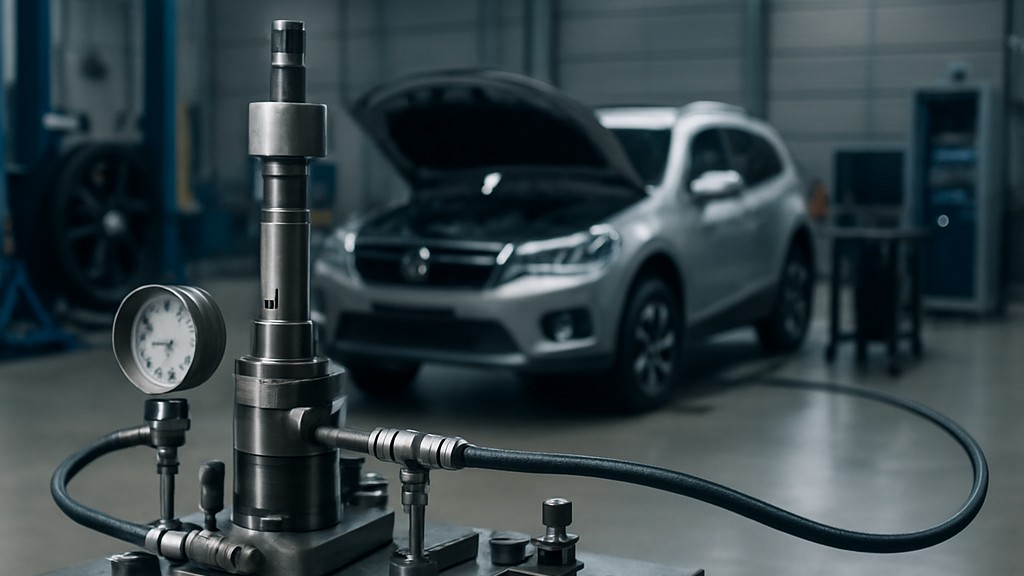
This standard applies to passenger cars, multi-purpose passenger vehicles, trucks, buses, trailers and motorcycles, as well as hydraulic, air and vacuum brake hoses, brake hose assemblies and brake hose end fittings used on these vehicles.
For the purposes of this standard, the following terms and definitions apply:
In short, FMVSS 106 is a regulatory standard that specifies performance and labeling requirements for brake hoses, brake hose assemblies, and brake hose end fittings used in motor vehicles. The purpose of this standard is to ensure vehicle safety by regulating the design, performance, and durability of flexible brake hoses. These hoses are essential components of a vehicle's hydraulic brake system, and their failure can lead to brake system failure, increasing the risk of accidents.
This standard applies to:
This standard covers hydraulic, vacuum and air brake hoses and their fittings and connection parts.
The FMVSS 106 standard includes a series of rigorous performance tests that brake hoses must pass. The primary test methods described are:
These tests ensure that the hoses can withstand extreme conditions without failure, maintaining braking performance throughout the life of the vehicle.
The FMVSS 106 standard requires manufacturers to permanently mark brake hose assemblies with specific identification. These include:
This labeling helps ensure traceability and verifies that ingredients meet federal standards.
This standard provides guidance on materials, hose construction (reinforcement layers, liner, outer cover) and design of end fittings to ensure consistent quality and compatibility among manufacturers.
Brake hose and component manufacturers must also self-certify compliance with FMVSS 106 for compliance and certification. They are also subject to random testing and investigations by the National Highway Traffic Safety Administration. Non-compliance can lead to:
FMVSS 106 plays a critical role in reducing brake hose failures and improving overall vehicle braking safety. Compliance with this standard is also important for international manufacturers exporting brake components to the US. Furthermore, many global manufacturers use FMVSS 106 as a benchmark for their internal quality systems, even in markets where equivalent standards do not exist.
In recent years, the FMVSS 106 standard has been updated to align with technological advancements such as:
Consequently, the FMVSS 106 standard is a cornerstone of vehicle safety regulations in the United States. By requiring rigorous testing, performance criteria, and traceable labeling, the standard ensures that brake hoses and assemblies contribute to reliable and effective braking systems in all types of motor vehicles. For manufacturers, compliance with this standard is not only a legal obligation but also a vital part of ensuring public safety and maintaining product integrity in a competitive global marketplace.
Our organization, which has been supporting businesses across all sectors for years through a wide range of testing, measurement, analysis, and evaluation activities, has a strong team of employees who closely follow global developments in science and technology and are constantly improving themselves. In this context, we also provide testing services to businesses in accordance with the "FMVSS 106 Brake Hoses" standard.
To get an appointment, to get more detailed information or to request an evaluation, you can ask us to fill in our form and reach you.

