

The “Ford FLTM BI 107-05 Thermal Shock Test for Coating Adhesion” standard, developed by Ford Motor Company (Ford), describes a procedure for determining the resistance of aluminum, plastic, steel, and other coated surfaces to loss of coating adhesion when subjected to a process similar to wet blasting with car wash equipment.
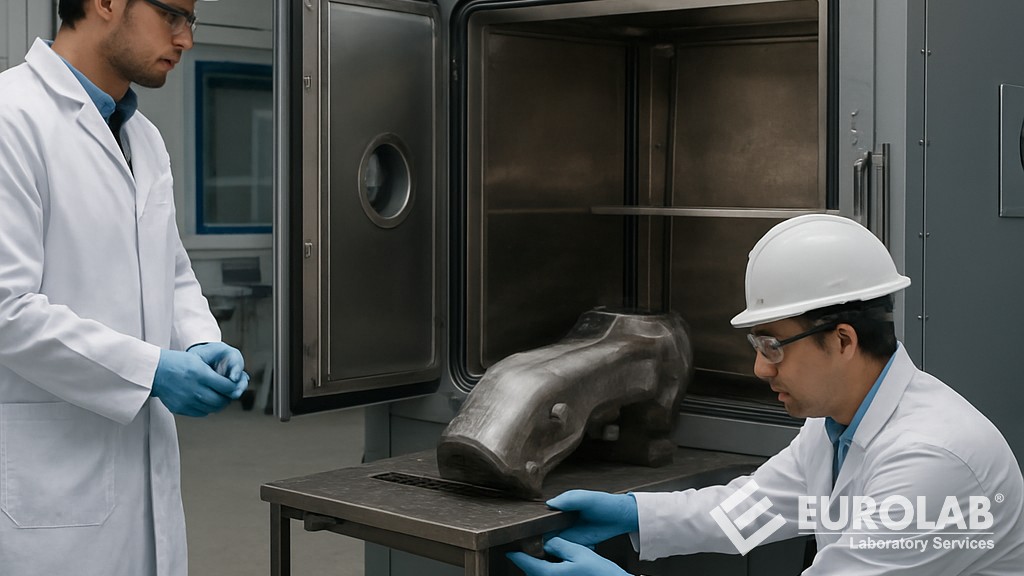
In the high-risk automotive manufacturing world, where vehicles are exposed to extreme weather conditions, road vibrations, and thermal fluctuations, ensuring the durability of exterior and interior coatings is paramount. One critical standard in this field is the Ford FLTM BI 107-05 standard, a rigorous procedure designed to evaluate the adhesion performance of coatings under rapid temperature changes. The test method described here simulates real-world thermal shock scenarios, helping engineers identify potential failures in paint systems before they reach the assembly line or road.
This standard is part of a broader suite of FLTM standards that guides material and process verification in the automotive industry. As vehicles become more advanced (lightweight materials, electric powertrains, and environmentally friendly coatings), these tests are essential to maintaining quality, safety, and customer satisfaction.
The Ford FLTM BI 107-05 standard, briefly called the “paint adhesion thermal shock test,” is a standard method used to evaluate how well coatings, such as paints, powder coatings, or metal coatings, resist delamination or loss of adhesion when exposed to sudden and extreme temperature changes. These changes mimic the dramatic environmental stresses a vehicle might encounter, such as transitioning from scorching summer heat to freezing winter weather.
This testing method focuses on surfaces such as aluminum, steel, galvanized steel, plastics, and other common automotive materials. It involves subjecting coated samples to wet blasting or controlled thermal cycling, which causes expansion and contraction in the materials. This process reveals weaknesses in the bond between the coating and the substrate, ensuring that the surfaces remain intact throughout the vehicle's lifespan.
Unlike static environmental tests, this standard emphasizes dynamic shock, making it particularly important for exterior trim, body panels, and under-hood components where temperature extremes are routine.
The primary goal of the Ford FLTM BI 107-05 standard is to prevent adhesion failures that can lead to corrosion, aesthetic deterioration, or structural problems. In an industry where recalls incur high costs, this test serves as proactive protection. For example, poor adhesion can cause paint cracking, metal rusting, and compromise vehicle integrity during thermal expansion in hot climates.
This standard is vital for:
As electric vehicles become more widespread and denser battery packs generate more heat, these types of tests become even more critical to ensure that thermal management does not affect surface quality.
In general, the Ford FLTM BI 107-05 test method involves the following steps:
The entire process is documented for traceability and is often integrated with other standards, such as Ford FLTM BI 104-01 for water immersion.
The Ford FLTM BI 107-05 standard has been widely adopted outside of Ford and has influenced international original equipment manufacturers and suppliers. Its main applications include:
In conclusion, the Ford FLTM BI 107-05 standard sets a benchmark in automotive coating reliability by combining laboratory innovation with road durability. This standard rigorously simulates thermal shocks, ensuring vehicles perform flawlessly under demanding conditions.
For many years, our organization, with its competent and experienced staff, has been understanding the needs of its customers, providing the advanced testing services they require, and assisting in the establishment, implementation, and improvement of management systems. Within this framework, we also provide testing services to businesses in accordance with the "Ford FLTM BI 107-05 Thermal shock test for coating adhesion" standard.
To get an appointment, to get more detailed information or to request an evaluation, you can ask us to fill in our form and reach you.

