

The standard “VW PV 3936 Polymer materials - Testing of resistance to components of blow-by gases” developed by the Volkswagen automobile company describes a procedure for testing the resistance of polymer materials (in the form of finished parts and test plates, such as cylinder block and crankcase ventilation hoses, connecting hoses and pipes, intake hoses and pipes, gaskets) to components of blow-by gases.
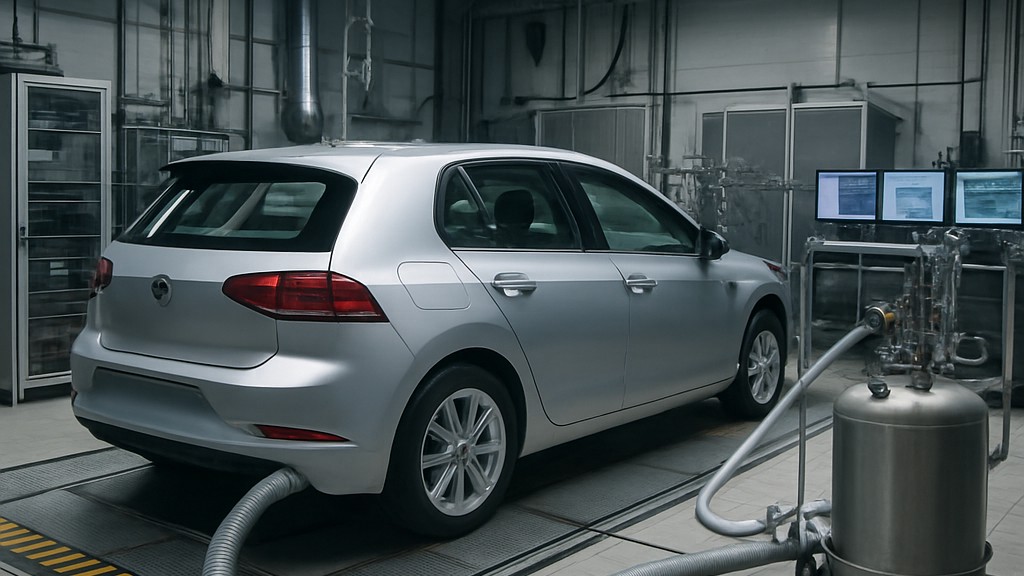
Intake gases are combustion byproducts that escape from the piston rings into the crankcase and often contain aggressive substances such as hydrocarbons, acids and soot.
The purpose of this standard is to evaluate how polymer materials withstand exposure to blow-by gases over time, ensuring that components maintain their mechanical integrity and function in automotive applications. The procedure described is typically used to test components such as cylinder block and crankcase ventilation hoses, connecting hoses and pipes, intake hoses and pipes, and gaskets.
This standard outlines specific test conditions to simulate real-world exposure to blow-by gases and evaluates factors such as material degradation, swelling and changes in mechanical properties.
This standard is part of a broader suite of Volkswagen testing specifications that ensure the durability and reliability of the materials used in its vehicles. These tests are typically conducted by accredited laboratories approved by Volkswagen to perform such assessments.
The VW PV 3936 standard focuses on testing the resistance of polymer materials to blowing gases. The main test methods generally described include:
In short, the VW PV 3936 standard combines chemical exposure with physical and mechanical testing under controlled conditions to comprehensively evaluate polymer resistance.
Blow-off gases are combustion gases that pass through the piston rings and enter the crankcase during operation. Some of these gases leak around the pistons due to imperfect seals, rather than being completely contained within the combustion chamber and expelled through the exhaust. These phases typically contain a mixture of:
Blow-off gases are produced by the combustion process inside engine cylinders, particularly when piston rings do not seal the combustion chamber perfectly. These gases can be corrosive and contain contaminants that degrade engine oils and damage components such as seals, hoses, and breather systems. They contribute to crankcase pressure buildup, which must be managed to prevent leaks and mechanical failures.
Modern engines use crankcase ventilation systems (PCV valves, hoses, filters) to safely recirculate or vent these gases.
Understanding blow-by gases is important for designing materials and components (such as those tested under the VW PV 3936 standard) that can withstand their aggressive chemical makeup and preserve engine life.
Our organization, which has been supporting businesses across all sectors for years through a wide range of testing, measurement, analysis, and evaluation activities, has a strong team of employees who closely follow global developments in science and technology and are constantly improving themselves. In this context, we also provide testing services in accordance with the "VW PV 3936 Polymer materials - Testing resistance to components of blowing gases" standard.
To get an appointment, to get more detailed information or to request an evaluation, you can ask us to fill in our form and reach you.

