

The “VW 50123 Thermoplastic elastomers - Quality requirements” standard, developed by the Volkswagen automotive company, describes the quality requirements for materials based on thermoplastic elastomers (TPE) and designed for motor vehicle parts. Technical supply specification TL 52697-C applies to the use of F-TPV (thermoplastic elastomer made of ethylene-tetrafluoroethylene copolymer hard phase and fluorocarbon rubber soft phase) as the inner layer of elastomer hoses for diesel particulate filter applications. TL 52706-B, C or D applies to the use of F-TPV as the inner layer of elastomer hoses designed for fuel transport.
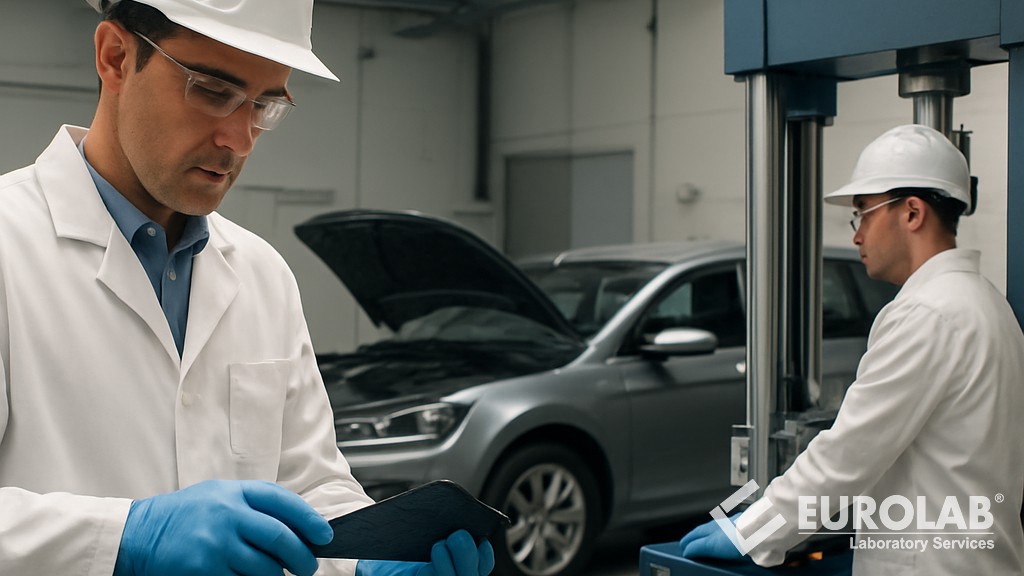
Thermoplastic elastomers are elastomers that exhibit flow transition at temperatures above their application range. These elastomers are multiphase materials containing rigid and soft segments in blocks in the main chain, or rigid segments grafted as side chains onto flexible base chains. The soft segments form the mobile areas necessary for the elasticity of the rubber. The cross-linked areas of these materials separate relatively easily through heat, thus limiting the characteristic rubber-elastic application at high temperatures. Thermo-reversible cross-linking of TPEs allows for thermoplastic-like processing.
The general requirements in this standard are determined as follows:
In the high-risk world of automotive manufacturing, where every component must withstand extreme temperatures, corrosive fluids, and relentless vibration, material standards are unquestionable. This is where the VW 50123 standard comes in, a fundamental specification that sets the bar for thermoplastic elastomers (TPEs) used in motor vehicles. This standard is a driving force, ensuring that seals and interior trim in a vehicle not only look good but also perform under pressure.
Unlike traditional rubbers, which are thermosets and cannot be reshaped after curing, thermoplastic elastomers are thermoplastic: they soften when heated and harden when cooled, allowing for efficient recycling and processing. This hybrid structure (elastic like rubber, processable like plastic) makes thermoplastic elastomers ideal for automotive parts requiring flexibility, durability, and ease of manufacturing.
Common types of thermoplastic elastomers include:
The continuously updated VW 50123 standard specifically defines these materials and quality criteria for Group brands. This standard provides a comprehensive framework that ensures thermoplastic elastomers meet the challenges of global vehicle production.
Thermoplastic elastomers are used in everything from door seals (to prevent water ingress) to instrument panel mats (to reduce noise). The VW 50123 standard ensures these parts contribute to safety, efficiency, and sustainability.
In conclusion, the VW 50123 standard powers safer, more environmentally friendly, and more reliable vehicles by enforcing stringent quality requirements for thermoplastic elastomers.
For many years, our organization, with its competent and experienced staff, has been understanding the needs of its clients, providing the advanced testing services they require, and assisting them in the establishment, implementation, and improvement of management systems. Within this framework, we also provide testing services to businesses in accordance with the "VW 50123 Thermoplastic elastomers - Quality requirements" standard.
To get an appointment, to get more detailed information or to request an evaluation, you can ask us to fill in our form and reach you.

