

The standard "BMW TL 7 120 777.6 Specification for PVC film for sun visors," developed by BMW, a multinational vehicle manufacturer headquartered in Germany, specifies the delivery conditions and quality guidelines for PVC compact film for sun visors. The required specifications apply to planar starting materials as delivered and to partially finished parts (unless otherwise specified). The purpose of this standard is to ensure the consistent quality of the PVC compact film to be processed.
Samples and initial shipments must meet the requirements specified in this standard and must be accompanied by a test report only. All changes to the formula, production procedure, or technical nature must be reported to the specialized department issuing the release and require a new written release.
The type designation is related to the release status; any change requires additional designation. For a complete evaluation and release to be issued, the processing, component, and functional testing described in the relevant quality/technical specifications must be performed. For example, properties such as contamination/cleaning properties and surface wear resistance fall into this category.
The supplier must ensure that the required characteristics and values are maintained by continuous testing of the product before delivery.
The plain stock material must match the released master sample in color, grain, luster and feel.
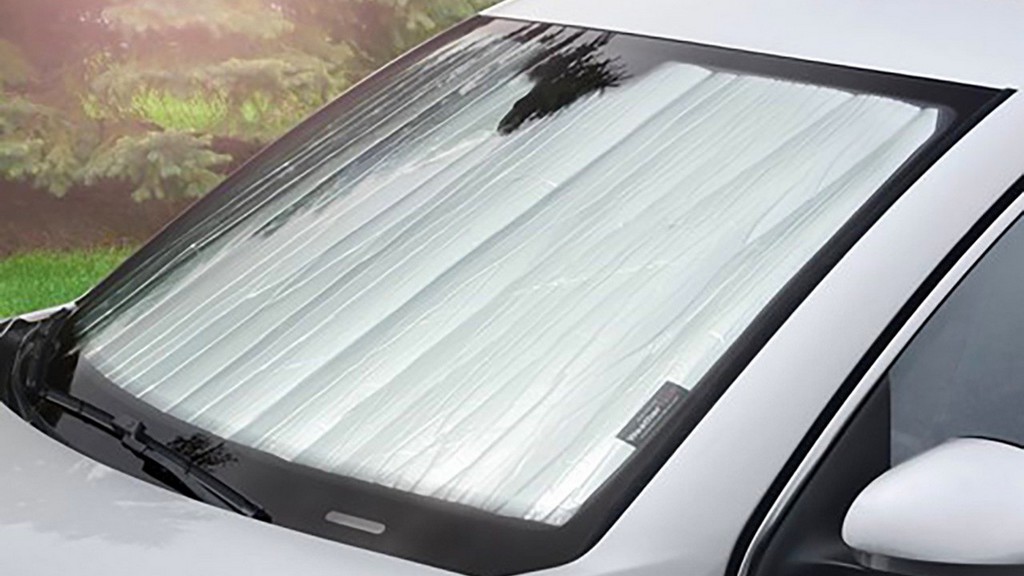
PVC films used in automotive sunshades are designed to meet specific performance and safety standards. These films offer durability, UV resistance, and aesthetic appeal, ensuring longevity and comfort in vehicle interiors.
The main characteristics of PVC films for sunshades include:
These features ensure that the PVC films used in sun visors provide the necessary durability, safety and comfort expected in automotive applications.
The BMW TL 7 120 777.6 standard is part of BMW's internal technical delivery conditions. These are proprietary specifications used to ensure that all materials and components supplied to BMW meet stringent quality, performance, and safety standards. This standard is deemed necessary in this context for the following reasons:
These help ensure passenger safety and regulatory compliance in every market where BMW sells vehicles.
This is particularly important for sun visors, which must perform well in both hot and cold conditions and maintain a premium look and feel over time.
Our organization, which has been supporting businesses across all sectors for years through a wide range of testing, measurement, analysis, and evaluation activities, has a strong team of employees who closely follow global developments in science and technology and are constantly improving themselves. In this context, we also provide testing services to businesses in accordance with the "BMW TL 7 120 777.6 PVC film specifications for sunshades" standard.
To get an appointment, to get more detailed information or to request an evaluation, you can ask us to fill in our form and reach you.

