

The "QC/T 216 Performance Requirements and Test Method for Carpets Used in Automobiles" standard, published among the national standards of the People's Republic of China, describes the definitions, terms, performance requirements, test methods, and inspection rules for carpets used in passenger vehicles. This standard applies to molded carpets for passenger vehicle bodies, i.e., carpet surface materials produced from chemical fiber material by needle punching or spraying, combined with rubber and plastic material as an auxiliary layer through a coating process. It mainly covers felt needle punching carpets, velvet needle punching carpets, striped needle punching carpets, sprayed carpets, and similar types. However, this standard does not apply to floor mats for passenger vehicles.
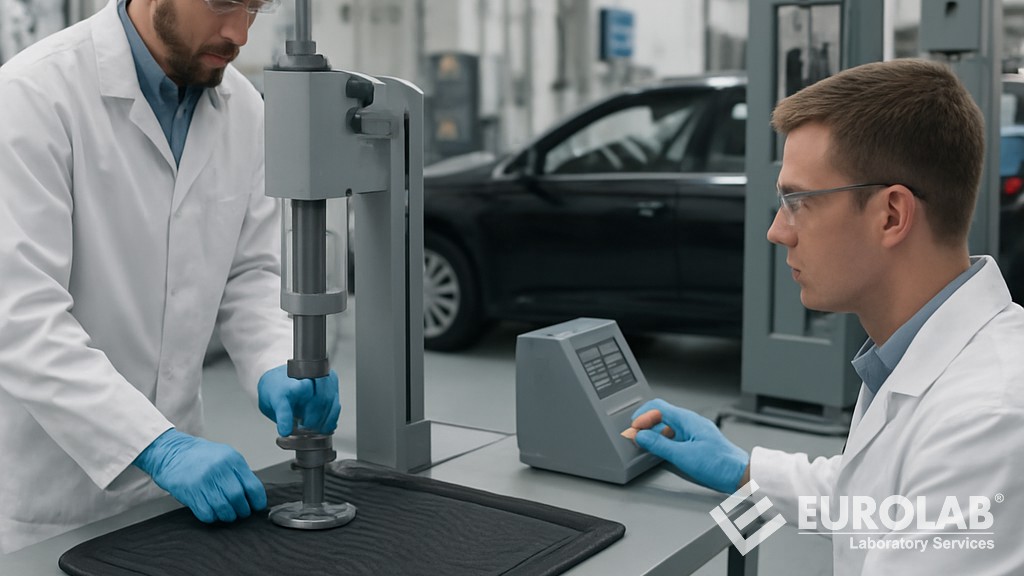
The QC/T 216 standard applies to molded carpets used in passenger car interiors. These carpets are typically made from chemical fibers produced by needle punching or spraying processes. The carpet serves as the primary floor covering in the vehicle cabin. This standard covers:
This ensures that vehicle carpets meet quality criteria for aspects such as abrasion resistance, compression recovery, dimensional stability, odor emission, flame retardancy (where applicable), and other interior material criteria relating to passenger comfort and longevity.
The latest update to this standard improves requirements, aligns with modern testing protocols, and addresses advances in materials and manufacturing (e.g., improved needle-punched or fringed carpets).
While exact numerical limits vary and full documentation is needed for details, the following are commonly tested features in QC/T 216:
These features ensure the carpet withstands foot traffic, maintains its appearance throughout the vehicle's lifespan, and contributes to a safe, comfortable cabin environment.
The QC/T 216 standard is a recommended industry standard for passenger car floor mats in the Chinese automotive sector. While not mandatory like some GB standards, it plays a very important role in practice.
This standard is considered important for the following reasons:
This standard defines minimum requirements for essential properties (e.g., abrasion resistance with Taber test, compression permanent deformation/recovery, mass per unit area, layer separation strength). This ensures reliable durability throughout the vehicle's service life (typically 10 years / 150.000 km).
A standardized benchmark helps prevent the use of substandard materials that damage brand reputation and deteriorate rapidly, especially in competitive markets where indoor quality influences purchasing decisions.
The QC/T 216 standard arose from the fact that, while seemingly simple, floor mats in passenger vehicles are critical to safety, durability, comfort, air quality, and brand image. It provides a clear and unified technical framework that benefits manufacturers, suppliers, regulators, and ultimately consumers in one of the world's most dynamic automotive markets. Without this standard, variability and substandard methods would be more common, leading to higher warranty costs and customer dissatisfaction.
In conclusion, the QC/T 216 standard is part of China’s broader automotive quality system and helps manufacturers (especially domestic and joint venture original equipment manufacturers) ensure consistent quality of interior components. This standard is a key reference for floor mat specifications.
For many years, our organization, with its competent and experienced staff, has been understanding the needs of its clients, providing the advanced testing services they require, and assisting them in the establishment, implementation, and improvement of management systems. Within this framework, we also provide testing services compliant with the QC/T 216 standard.
To get an appointment, to get more detailed information or to request an evaluation, you can ask us to fill in our form and reach you.

