

The standard "Mercedes-Benz MBN 51000-5 Polymer-based materials, material systems and semi-finished products - Part 5: Weatherability tests," published by the Mercedes-Benz Group, describes specific test specifications that are not defined or sufficiently defined in DIN, EN, ISO standards or VDA recommendations. This standard describes the weatherability tests of polymer-based materials, material systems and semi-finished products.
The general requirements in this standard are determined as follows:
The MBN 51000-5 standard is a critical specification in the automotive industry, focusing on weatherability testing of polymer-based materials, material systems, and semi-finished products used in vehicles. This standard ensures that materials such as instrument panels, upholstery, gaskets, and other polymer components withstand prolonged exposure to harsh environmental conditions such as heat, ultraviolet (UV) light, and extreme temperatures. By adhering to this standard, manufacturers and suppliers ensure the durability, performance, and aesthetic quality of vehicle components in harsh climates.
The MBN 51000-5 standard outlines test methods for assessing how polymer-based materials degrade when exposed to environmental factors. Its primary focus is hot light aging testing, which simulates prolonged exposure to heat and UV light. This testing is particularly crucial for both interior and exterior vehicle components exposed to constant sunlight and temperature fluctuations. This standard aims to ensure that these materials maintain their mechanical integrity, appearance, and chemical stability over time, ensuring they meet the stringent quality requirements for vehicle production.
The cornerstone of the MBN 51000-5 standard is the hot light weathering test, which complies with DIN EN ISO 105-B06 (exposure condition No. 3). This test simulates long-term exposure to UV light and high temperatures to assess material degradation. The key evaluation criteria are:
Materials that pass the hot light aging (HLA) test demonstrate durability by retaining their performance and aesthetic properties, while those that fail may exhibit issues such as fading, cracking or brittleness, making them unsuitable for automotive applications.
The MBN 51000-5 standard applies to a wide range of polymer-based components, including:
By ensuring these components meet weatherability requirements, the standard helps maintain vehicle safety, reliability and visual appeal throughout the product lifecycle – critical to customer satisfaction and brand reputation.
The MBN 51000-5 standard is part of a wider package of Mercedes-Benz group standards for polymer-based materials, each of which addresses specific testing aspects:
Together, these standards enable comprehensive evaluation of polymer materials in line with the Mercedes-Benz Group's commitment to quality and performance across all vehicle components.
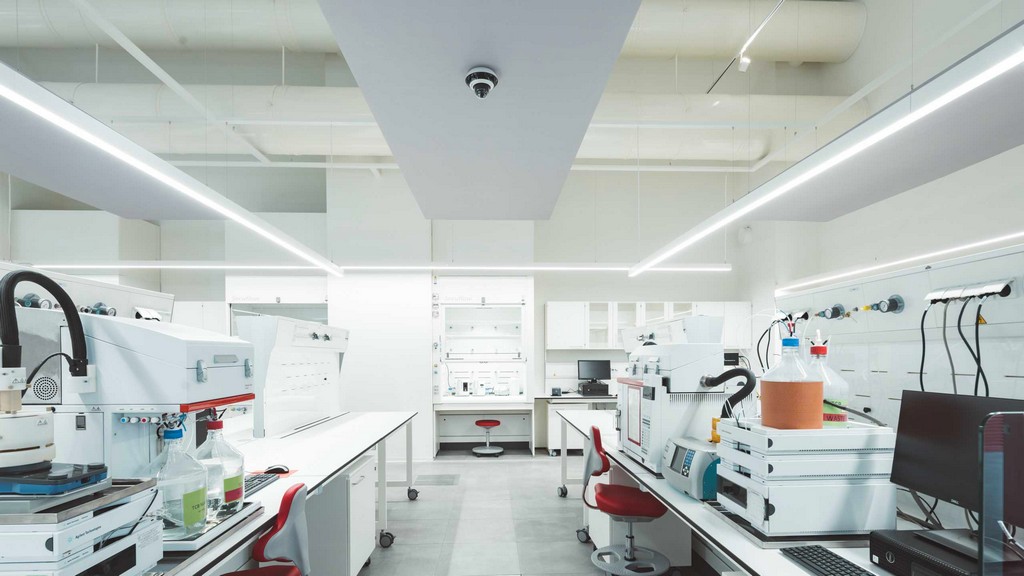
Testing under the MBN 51000-5 standard is typically conducted by accredited laboratories. These facilities use advanced equipment to simulate real-world conditions and evaluate material performance. The results of hot light aging (HLA) tests focus on ensuring that materials meet the Mercedes-Benz Group's stringent criteria for durability and aesthetics. Non-compliant materials that fail to maintain their properties are rejected, while compliant materials are approved for use in production.
The MBN 51000-5 standard plays a key role in ensuring the longevity and reliability of polymer-based components in Mercedes-Benz vehicles. By simulating harsh environmental conditions, the standard helps manufacturers identify materials that can withstand real-world challenges, reducing warranty claims and increasing customer confidence. Its emphasis on weather resistance aligns with the automotive industry's broader push for sustainable, durable, and high-performance materials.
As a result, the Mercedes-Benz MBN 51000-5 standard is an essential tool for assessing the weatherability of polymer-based materials in automotive applications. Through rigorous testing, particularly hot light aging, it ensures that materials used in vehicles maintain their performance, appearance, and durability under harsh environmental conditions. This standard is a cornerstone for suppliers and manufacturers aiming to meet the high standards of the automotive industry.
Our organization, which has been operating for many years and meticulously follows global developments in science and technology, employs a team of experienced professionals and a broad infrastructure to conduct testing, measurement, and analysis in a wide range of areas for businesses across all sectors. In this context, we also provide testing services in accordance with the "Mercedes-Benz MBN 51000-5 Polymer-based materials, material systems, and semi-finished products - Part 5: Weather resistance tests" standard.
To get an appointment, to get more detailed information or to request an evaluation, you can ask us to fill in our form and reach you.

