

The “Daimler PA PP PWT 3001 Alternative climate test” standard, developed by the automobile company Daimler, describes a procedure for determining how automobile parts and materials behave in alternative climate conditions.
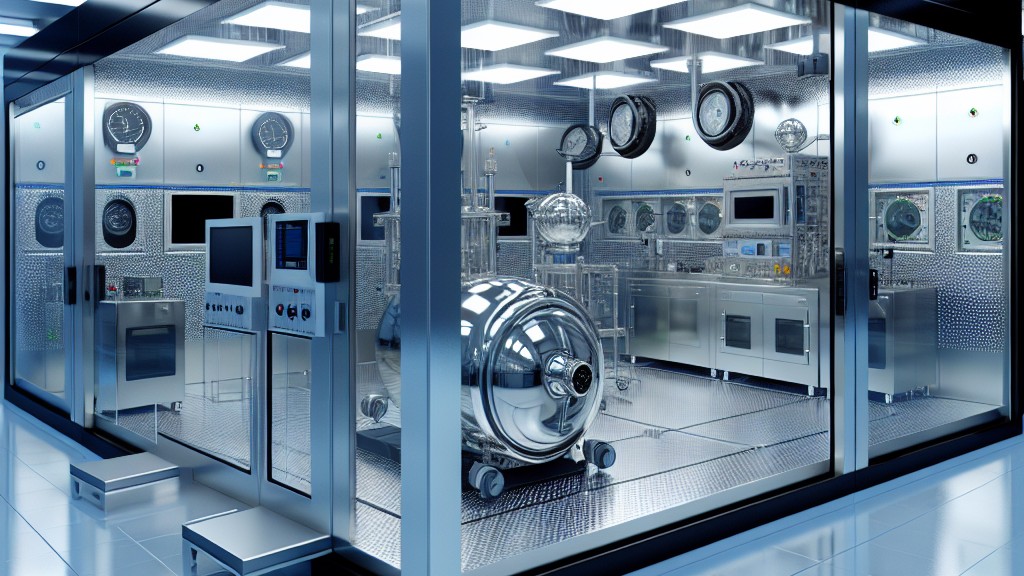
Testing in changing climates is important for product development and quality assurance in the automotive and electronics industries. Test results are important for product validation and optimization of product reliability. Therefore, test results must be as accurate and repeatable as possible.
Electronic components are tested during the development phase to ensure their functionality even under high humidity conditions. With absolute humidity control, the control accuracy of the newly developed test chambers has been significantly improved. In accordance with this standard, humidity and temperature and high humidity are among the most frequently performed cyclically changing climate tests. These tests are used to determine the suitability and resistance of products for operation, transportation and storage in high humidity and fluctuating temperatures. This standard specifies narrow temperature and humidity tolerances and the necessary test sequence for this.
For simple temperature change tests, only the temperature values and the specified cooling and heating rates need to be met. Since temperature and humidity affect each other, control becomes considerably more complex in combined temperature and humidity change tests. As the temperature increases, the relative humidity decreases because warmer air can absorb more moisture. On the other hand, if the temperature decreases, the relative humidity increases. These effects must be taken into account in tests carried out according to this standard; the test chamber must be humidified and dehumidified depending on the temperature. Since only small deviations are permissible, it is important to be able to reproduce the required climatic cycles as accurately as possible at all times.
Testing at high climatic values such as 60/90, 80/90 or 85/85 degrees Celsius and relative humidity is not only challenging for the test samples but also for the test systems. This is because precise control is required to maintain tight tolerances, especially in the changing temperature and resulting dew point humidity range. Climatic test chambers usually operate with relative humidity. The test chamber humidifies and dehumidifies repeatedly depending on the temperature change. This leads to alternating overshoots and undershoots and then settling at the set point.
The absolute humidity or the water content in the test area is not affected by temperature changes. On this basis, it is possible to reduce the complexity of the control system from two-dimensional to one-dimensional and to significantly increase the sensitivity of the control. The newly developed test chambers achieve this. While test chambers controlled via the relative humidity value tend to react paradoxically and have to be readjusted repeatedly due to the changing dew point, the new test chambers control the humidity directly to the required water content. Thanks to the standard integrated absolute humidity control, the critical ranges for control are reached reliably in the event of temperature changes and the set points are reached much faster and with significantly less overshoot or undershoot. This application significantly improves the control accuracy and repeatability of cyclic tests according to the PA PP PWT 3001 standard. This also applies to high load densities in the test area. Absolute humidity control therefore reduces the complexity of the control system.
Our organization has a strong staff that closely follows the developments in the world in the field of science and technology and constantly improves itself. Among the numerous test, measurement, analysis and evaluation studies provided for businesses in various sectors, there are also test services in accordance with the "Daimler PA PP PWT 3001 Alternative Climate Test" standard.
To get an appointment, to get more detailed information or to request an evaluation, you can ask us to fill in our form and reach you.

