

The procedures described in the FORD FLTM BP 101-01 standard developed by Ford Motor Company (FORD) are designed to evaluate the resistance of rubber materials to accelerated ozone attack. These procedures are intended to determine the comparative ability of elastomeric materials to withstand the effects of cracking when placed under constant stress or subjected to dynamic stress in a controlled ozone environment. These tests are performed on flat sheet (floor stock), standard samples prepared from parts, or real parts.
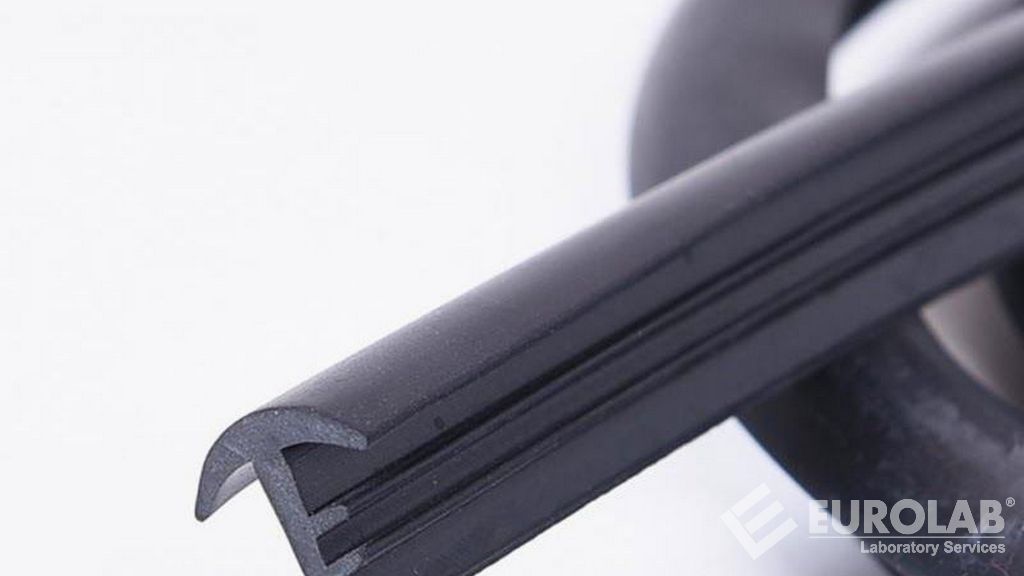
Atmospheric ozone reacts with the main chain unsaturation, causing chain scission and a decrease in surface strength. This causes the rubber material to deteriorate. When rubber material is subjected to above a critical tensile stress, degradation not only removes itself from appearance, but also creates a pathway for friction or fluid loss or ingress, initiating premature stress or fatigue failure and increasing stress relaxation, resulting in surface cracking that shortens the service life of the product. shows itself.
Rubber is an extremely useful and malleable material. However, like many materials, rubber degrades over time due to common environmental factors such as heat, light and ozone. Naturally, this situation disrupts the functionality of the rubber parts and causes machine failure.
Most elastomers undergo rubber degradation over time. The most common causes of rubber deterioration are exposure to light, oxygen (ozone), and heat. The molecular changes caused by these environmental conditions significantly affect the mechanical properties and thus the service life of rubber products. Oxidative and thermal aging of rubber is accelerated by stress and reactive gases such as ozone, causing cracking, charring and discoloration.
Briefly, oxidative rubber degradation can cause hardening or softening depending on the nature of the elastomer. Curing is more common because free radicals produced by heat, oxygen, and light combine to form new cross-links that reduce the rubber's flexibility.
Our organization also provides rubber and ozone degradation testing services within the scope of FORD FLTM BP 101-01 standard, with its trained and expert staff and advanced technological equipment, among the numerous test, measurement, analysis and evaluation studies it provides for businesses in various sectors.
To get an appointment, to get more detailed information or to request an evaluation, you can ask us to fill in our form and reach you.

