

The standard “VDA 675-241 Elastomeric parts in motor vehicles - Test procedure for identification - Corrosion effect on copper” published by the German Association of the Automotive Industry (VDA) describes the effect of elastomers on copper and defines a test method for detecting excess sulfur caused by improper vulcanization or excessive addition of curing agent.
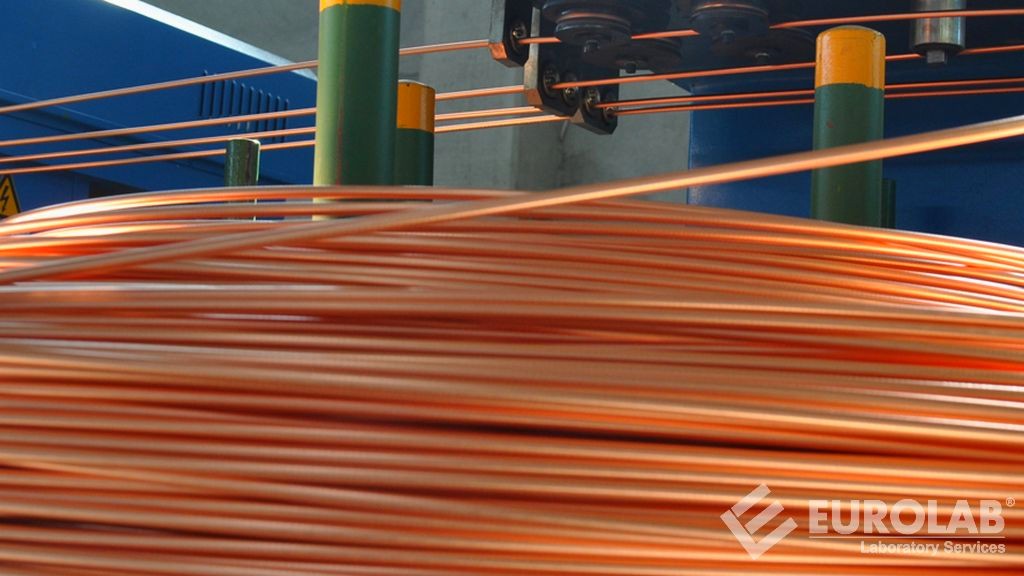
This test method is based on the fact that black copper sulphide is formed during the reaction of copper with elemental sulphur. The amount of black colour provides a rapid qualitative clue about the amount of free sulphur. This test method is used for qualification tests (quality determination) on different elastomers for a given application. It also provides data for comparative tests (quality assurance) on different delivery batches of a given elastomer compound. When conducting research according to this procedure, the time between vulcanisation and testing of the elastomers should be at least 16 hours and at most 6 months. The assessment is made according to a scale that classifies corrosion phenomena.
The test method for the corrosion effect of elastomers on copper provides information on whether the vulcanizate is cross-linked or insufficiently cross-linked or contains free sulphur. In this process, the elastomer is stored with an electrolyte copper sheet on a glass plate in a heating cabinet for a specified time at a specified temperature under a specified load.
Corrosion is a natural process that occurs when metals react with the atmosphere, chemicals, or other specific conditions. This transformation results in a different appearance along with changes in the metal's mechanical properties and poorer structural integrity. Copper forms a reddish-brown copper oxide layer during its electrochemical reaction with the environment.
Rust is formed when metal alloys containing iron undergo the oxidation process. However, copper is a non-ferrous metal. Since the iron content is a prerequisite for rust formation, copper does not rust at all, it corrodes or oxidizes when oxygen molecules land on its surface and combine with copper atoms to form copper oxide.
Unlike iron oxide, copper oxide does not break down over time. It forms a protective film on the surface of the copper, which gradually thickens to copper carbonate. This new layer of material, called patina, acts as a shield to protect the intact copper within. What’s more, damaged patina regenerates itself.
Copper corrosion is a slow process, especially in uncontaminated environments, so it takes months or even years for the surfaces to darken and gradually turn dark brown or black, eventually turning a distinctive blue-green color.
There are certain conditions that promote or accelerate copper corrosion. These include:
To get an appointment, to get more detailed information or to request an evaluation, you can ask us to fill in our form and reach you.

