SES N 3243 Automotive Textile Materials
Developed by Suzuki Motor Corporation as part of its interior materials/textile standards, the “SES N 3243 Automotive Textiles” standard is an automotive materials standard that defines the requirements, performance criteria, and verification methods for textile materials used in vehicle manufacturing.
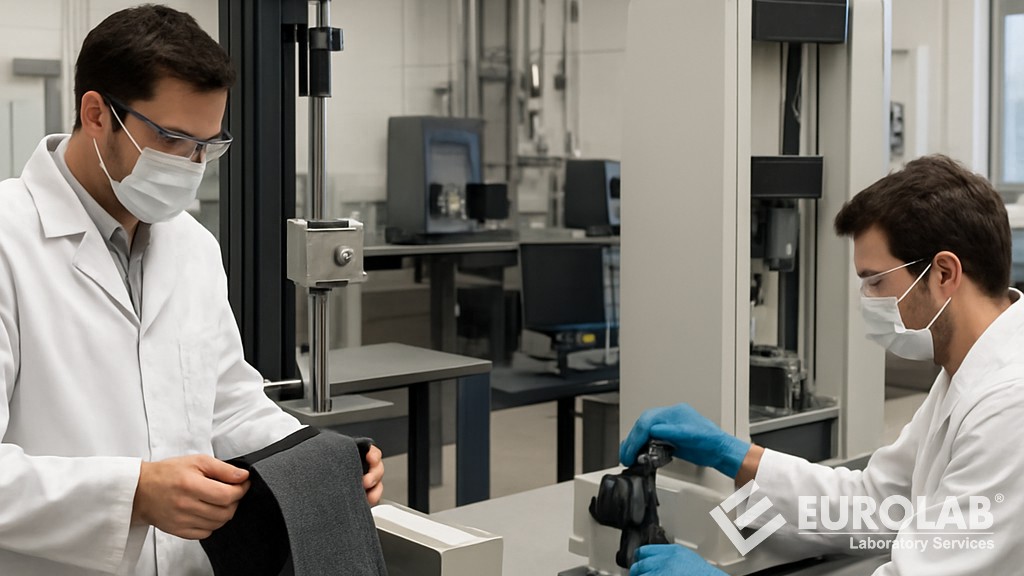
The use of textile materials in the automotive industry involves the selection, design, and application of fabrics and other textile-based components for functional, aesthetic, and safety purposes in vehicles.
Automotive textile materials are primarily used indoors. For example,
- Seat upholstery: Polyester, nylon, or blended fabrics are used for comfort, durability, and appearance.
- Headliners: Lightweight and soft fabrics are applied to the interior ceiling of vehicles.
- Door panels and armrests: Textile coverings improve aesthetics and tactile feel.
- Carpets and mats: Textiles with high abrasion resistance and easy cleanability are used.
When selecting textiles for automotive use, materials must meet specific functional requirements:
- Durability: Resistance to abrasion, tearing, and pilling.
- Flame retardancy: Compliance with fire safety standards.
- UV resistance: Protection against color fading and deterioration caused by sunlight.
- Moisture and stain resistance: Especially suitable for seat covers and floor mats.
- Acoustic insulation: Certain textiles help reduce noise and vibration inside the cabin.
Specialized automotive textile materials include:
- Synthetic fabrics: Polyester, nylon, and polypropylene for durability and cost-effectiveness.
- Natural fibers: Wool or cotton blends for superior interiors.
- Technical textiles: Non-woven fabrics for insulation, air cushions, or soundproofing.
- Composite textiles: Fabrics integrated with foam or plastics for cushioning and shape retention.
The production and integration process for automotive textile materials is as follows:
- Weaving and knitting: Creating fabric structures suitable for automotive use.
- Surface treatments: Coatings for waterproofing, stain resistance, or antistatic properties.
- Cutting and sewing: Fabrics are cut and sewn to fit the seats, panels, or upholstery.
- Lamination and bonding: Textiles can be bonded to foams or plastics to improve performance.
Automotive textiles should primarily comply with industry standards such as those listed below:
- flammability according to FMVSS 302 / ISO 3795.
- OE standards for durability and color fastness.
- Environmental regulations like REACH for chemical safety.
The emerging trends for textile materials in the automotive industry are as follows:
- Environmentally friendly textiles: Recycled polyester fibers, bio-based fabrics.
- Smart textiles: Fabrics containing heating elements, sensors, or antimicrobial coatings.
- Lightweight materials: Reducing vehicle weight to improve fuel efficiency.
In short, automotive textiles are used wherever soft surfaces, insulation, or aesthetics are needed inside a vehicle. Choosing the right fabric requires balancing comfort, safety, durability, and design while meeting automotive standards.
The Suzuki SES N 3243 standard is a technical document that defines the criteria for paint quality on plastic parts. This standard is used to measure the durability and performance of paint films applied to plastic parts used in the interior and exterior of automobiles.
According to this standard, a plastic part generally needs to pass the following tests in order to be approved:
- Appearance inspection: Examining the surface quality of the paint film (smoothness, defects, etc.).
- Gloss test: Measuring the gloss level of a surface, usually referring to the JIS K 5600-4-7 standard.
- Adhesion strength: A cross-cut test performed to determine how well the paint adheres to the plastic surface.
- Pencil hardness test: This test measures the resistance of the paint surface to scratches.
- Moisture and water resistance: Checking whether the paint on the part blisters or peels when exposed to humid environments or immersion in hot water.
- Chemical resistance: A test to determine whether the paint deteriorates when it comes into contact with fuel, cleaning agents, or other chemicals.
- Heat and thermal shock resistance: Resistance to high temperatures or sudden temperature changes (hot-cold cycling).
This standard is usually evaluated in conjunction with the following supporting standards:
- SES N 3245: Flame retardancy tests for interior materials.
- SES N 3292 and SES N 3293 are weather and light resistance criteria for plastic parts.
- JIS K 5600 is a Japanese industrial standard for general paint testing methods.
The SES N 3243 standard is a critical guide for manufacturing and quality control processes, especially for first and second-tier aftermarket manufacturers supplying parts to Suzuki.
This standard, like other SES engineering standards, is vital to ensuring that a car not only looks new but also maintains that same quality even years later. The key reasons why this standard is critical are:
- Material lifespan and durability: Textile materials are exposed to the sun's UV rays, extreme heat (in-vehicle temperatures can reach 60-70 degrees Celsius in summer), and cold. This standard prevents materials from cracking, peeling, or fading under these harsh conditions.
- Brand prestige and customer satisfaction: When the color of a textile material fades, the customer perceives this as an indication of the overall quality of the vehicle. This standard ensures a homogeneous visual quality across all Suzuki vehicles (regardless of where they are manufactured in the world).
- Supply chain alignment (global common language): Suzuki works with different suppliers around the world. This standard provides a supplier with measurable and testable technical data. This ensures that the material is of the same standard regardless of where it is produced.
- Chemical resistance: Contact with hand cream, sweat, cleaning products, or spilled beverages can degrade the dye in textile materials. Additionally, some types of dye must accommodate the stretching of plastic in the event of an accident. Otherwise, the hardened dye could splatter. This standard helps to control these chemical and physical risks.
In conclusion, the SES N 3143 standard is a guarantee mechanism that protects both the manufacturer and the end-user (in terms of long-lasting use) by providing a technical warranty on the aesthetics of the vehicle.
For many years, our organization, with its competent and experienced team, has been understanding the needs of its clients, providing the advanced testing services they require, and assisting them in the establishment, implementation, and improvement of management systems. Within this framework, we also provide testing services compliant with the SES N 3243 standard.



