

The GM9517P standard developed by the General Motors company defines a test method for evaluating the resistance of vehicle materials to synthetic perspiration.
Synthetic sweat fluid formulated for this purpose is generally used in colorfastness, corrosion and discoloration tests of products carried out in advanced laboratories. For this purpose, reliable, reproducible and consistent artificial perspiration solutions have been developed for research and product testing. Synthetic sweat is formulated to be universally standardized across all industries and has formulations to meet all testing challenges.
Everything that is touched with the fingers or the body comes into contact with sweat is produced. Sweat can react with materials and shorten product service life through corrosion or discoloration. Natural human sweating has a complex composition, depending on the type of sweat gland, the metabolism of the person, and the level of hydration. Synthetic perspiration solutions are formulated based on published data for human sweat and provide the closest match to the real thing. These solutions offer excellent testing for a variety of consumer products and medical devices, as well as medical testing protocols.
Accelerated testing methods are a way to test durability by subjecting products to controlled conditions that are much more aggressive than normal conditions. The main areas of concern for wearable devices that are in prolonged contact with human sweat are corrosion and color fastness. Corrosion can cause sensitizing chemicals, such as nickel and chromium, to change in appearance or leach, which cause allergic reactions.
Salt, the main component in human sweat, increases the ability of water to accelerate the corrosion process. Other factors that facilitate corrosion are the pH of the solution and the presence of certain organic compounds such as lactic acid and sulfur-containing amino acids. Metals and alloys are not the only surfaces affected by corrosion. Organic coated surfaces, colored plastics or self-adhesive films in automotive interiors are just a few of the many surfaces affected. The main abrasive effects of sweat on vehicle materials are tarnishing, loss of gloss, shrinkage, cracking and discoloration.
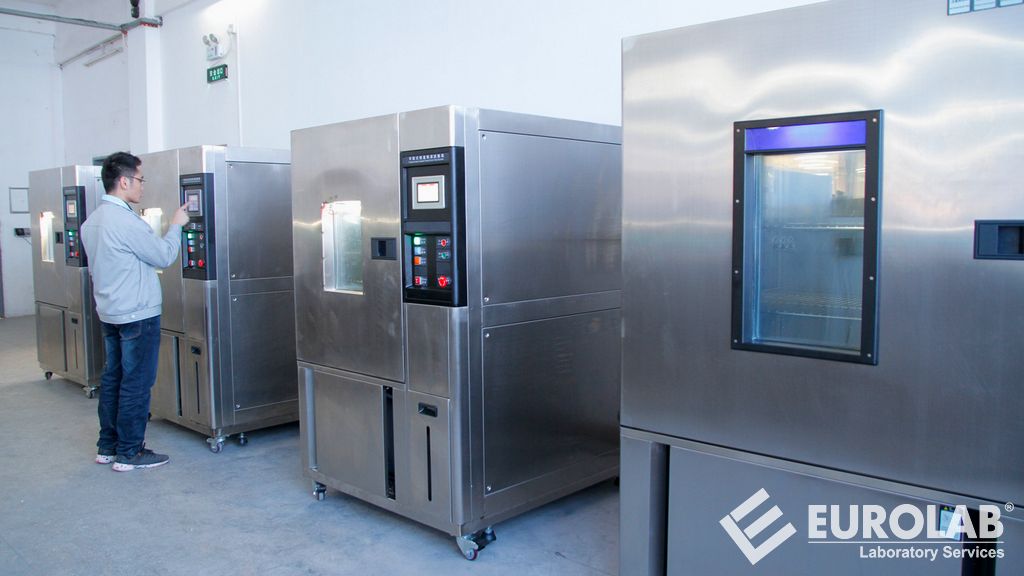
Among the numerous test, measurement, analysis and evaluation studies it provides for businesses in various sectors, our organization also provides testing services to determine the resistance of vehicle materials to synthetic perspiration, within the scope of the GM9517P standard, with its trained and expert staff and advanced technological equipment.
To get an appointment, to get more detailed information or to request an evaluation, you can ask us to fill in our form and reach you.

