

The “Daimler PB VWT 217 Corrosion test of vehicle interior trim - Test method” standard, developed by the Daimler-Benz automotive company, is a specific automotive testing standard used to evaluate the corrosion behavior of vehicle interior components and trim materials. This standard is part of Daimler’s internal quality and verification procedures to ensure long-term durability, material compatibility, and resistance to corrosion effects in passenger compartments.
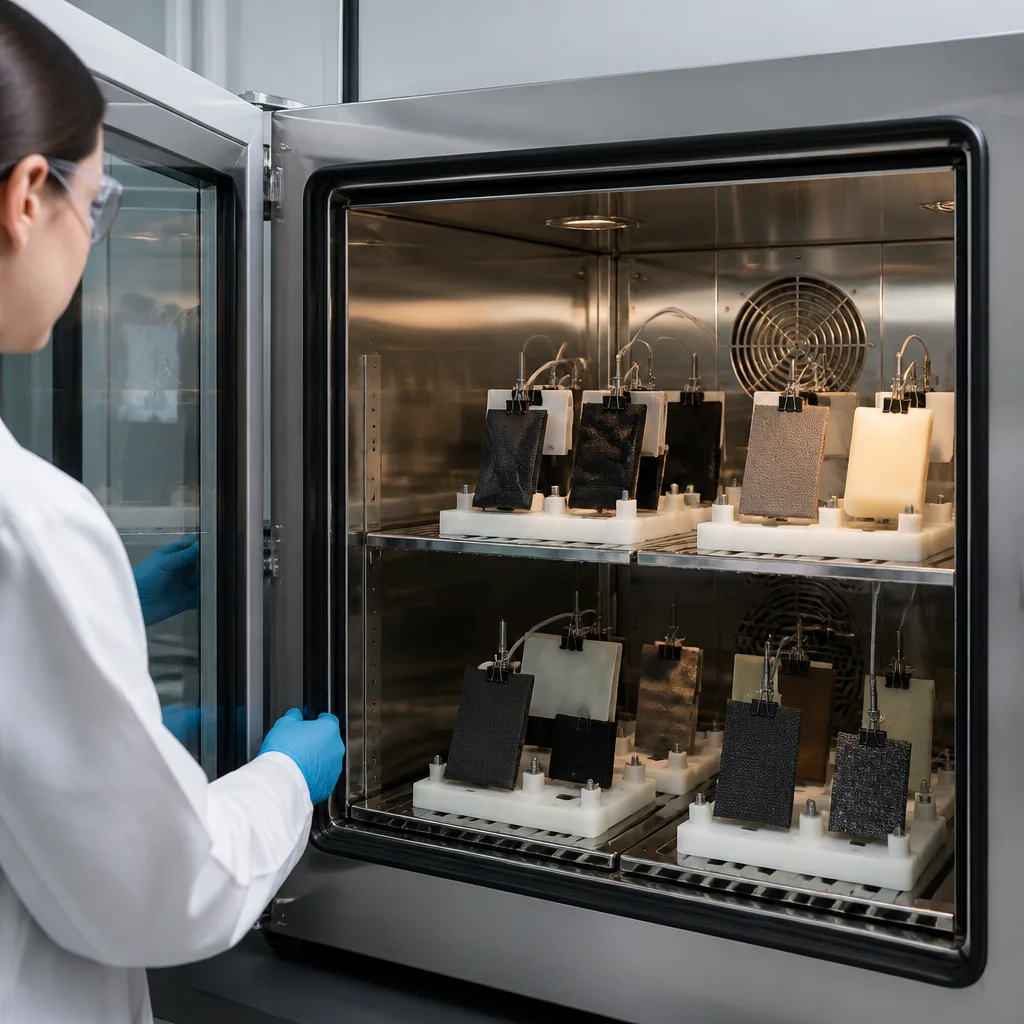
This standard is primarily applied during the development and approval of the following:
The PB VWT 217 standard is particularly important because modern automotive interiors bring together metals, plastics, textiles, coatings, and adhesives in enclosed environments where humidity, temperature variations, condensation, and volatile emissions can trigger corrosion-related failures.
The primary purpose of the PB VWT 217 standard is to simulate the conditions inside a vehicle cabin and to determine whether materials or components,
This testing method helps manufacturers avoid problems such as:
This procedure is specifically defined as corrosion testing for vehicle interior trim components. It is a process involving controlled environmental exposure designed to accelerate corrosion processes.
Typical parameters used in automotive interior corrosion testing include:
Tests may include the following:
Indoor corrosion testing has become increasingly important for the following reasons:
Luxury vehicle manufacturers like the Mercedes-Benz Group demand rigorous testing, as even minor visible corrosion inside the cabin can significantly affect perceived quality.
The PB VWT 217 standard contributes to the following:
The materials typically evaluated under this standard include:
Tests are usually performed before the following procedures:
The Daimler PB VWT 217 standard is part of a broader ecosystem of Daimler material and durability specifications. Related standards include:
Together, these standards ensure that interior components meet stringent requirements in the following areas:
Laboratories that perform the testing generally support the following:
The Daimler PB VWT 217 standard is particularly important in the following areas:
Corrosion testing of vehicle interior upholstery is essential because modern car interiors are exposed to moisture, temperature variations, chemicals, and human contact over many years. Even if the cabin is protected from direct weather conditions, interior materials can corrode, discolor, weaken, or fail if not properly verified. Automotive manufacturers rely on the PB VWT 217 standard to ensure that interior components remain durable, safe, and visually appealing throughout a vehicle's lifespan.
This standard is important for the following reasons:
In modern automotive engineering, internal corrosion testing is a crucial part of ensuring vehicles remain attractive and reliable throughout their lifespan.
In conclusion, the Daimler PB VWT 217 standard is a key automotive corrosion testing specification focusing on the durability and appearance stability of vehicle interior components. By simulating challenging cabin environmental conditions, this standard helps ensure that interior materials remain visually appealing and functionally reliable throughout a vehicle's lifespan.
As automotive interiors become more sophisticated and material combinations more complex, PB VWT 217 and similar standards continue to play a critical role in maintaining the quality expectations associated with top-tier automotive brands.
For many years, our organization, with its competent and experienced team, has been understanding the needs of its customers, providing the advanced testing services they require, and assisting them in the establishment, implementation, and improvement of management systems. Within this framework, we also provide testing services compliant with the Daimler PB VWT 217 standard.
To get an appointment, to get more detailed information or to request an evaluation, you can ask us to fill in our form and reach you.

