

The “GME 60331 Test Method for Determining Pilling Resistance in Upholstery Materials” standard, developed by General Motors Europe (GME), is a materials testing standard. This standard defines a laboratory procedure for assessing the tendency of automotive upholstery fabrics to pill, which are small clumps of fiber that form on the fabric surface due to friction and abrasion. Historically, this standard has been used to qualify textile materials designed for vehicle interiors, particularly seat covers and other upholstered trim components.
Although this standard is marked as “inactive/defunct”, its test methodology has influenced subsequent original equipment manufacturer material specifications and remains a reference in automotive textile testing.
The primary purpose of the GME 60331 standard is to determine whether upholstery materials can withstand repeated surface friction without excessive pilling. Because vehicle seats are in constant contact with passengers, clothing, and accessories, pilling resistance is essential to maintain the appearance and perceived quality of the interior.
This standard helps manufacturers in the following areas:
Pilling is the formation of small clumps of intertwined fibers on the surface of a fabric after abrasion or repeated friction. Several factors can influence pilling, including:
While pilling generally doesn't affect the structural strength of the fabric, it significantly impacts its appearance and perceived quality.
The GME 60331 standard primarily applies to the following:
This standard is designed for automotive interior applications where long-term appearance preservation is critical.
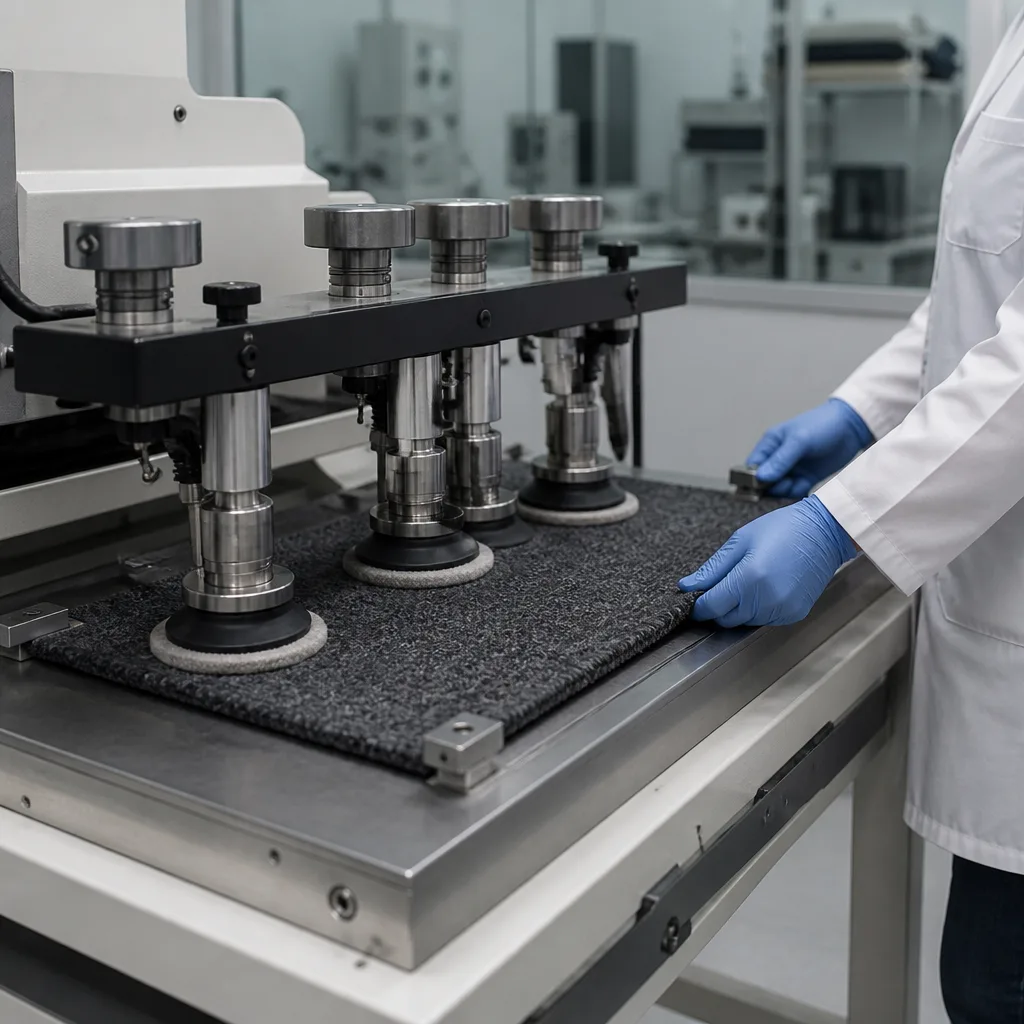
In principle, this standard subjects a fabric sample to controlled mechanical friction under specified laboratory conditions. During the test,
Fabric samples are prepared according to defined dimensions.
The procedure is designed to simulate the repetitive friction that occurs during normal vehicle operation.
The equipment used in these tests generally includes the following:
Equipment configuration is defined in the GME 60331 specification.
After the test, the auditors evaluate the following:
Materials are assigned a numerical or descriptive rating based on the severity of fuzzing. Higher ratings indicate superior resistance to surface degradation.
The GME 60331 standard is commonly applied in the automotive industry when qualifying for the following:
This standard is especially important for vehicles expected to be subjected to heavy daily use.
Implementing the GME 60331 standard offers several advantages:
The GME 60331 standard is part of a broader series of General Motors European material testing methods for automotive interiors. Related standards include:
Together, these standards provide a comprehensive assessment of flooring performance.
Modern automotive interiors must maintain an attractive appearance throughout years of use. Even if the fabric remains structurally sound, visible pilling can create an impression of low quality. The GME 60331 standard helps manufacturers with these issues:
By identifying materials resistant to pilling before production, manufacturers can reduce cosmetic defects and extend the lifespan of automotive interiors.
In conclusion, the GME 60331 standard defines an important test method for evaluating the pilling resistance of automotive upholstery materials. Through standardized laboratory abrasion tests and visual assessment, it enables manufacturers to select fabrics that maintain their appearance in daily use.
For many years, our organization, with its competent and experienced staff, has been understanding the needs of its clients, providing the advanced testing services they require, and assisting them in the establishment, implementation, and improvement of management systems. Within this framework, we also provide testing services compliant with the GME 60331 standard.
To get an appointment, to get more detailed information or to request an evaluation, you can ask us to fill in our form and reach you.

