

Developed as part of the formal approval or certification process for parts, materials, or processes used in trucks manufactured by DAF, a Dutch truck manufacturer, the DAF MAT 46811 standard, often mentioned alongside the DAF MAT 46812 standard, is a material specification focusing on thermoformed interior parts. This standard applies to vacuum-formed or thermoformed products commonly used in truck cabs. For example,
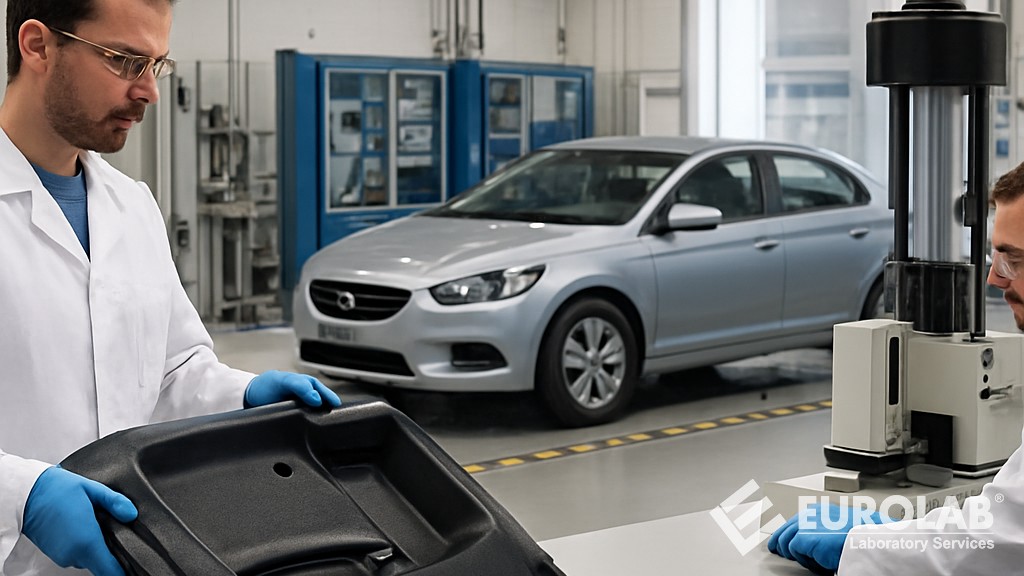
These components are typically made from thermoplastics and can withstand direct sunlight or harsh indoor conditions.
The DAF MAT 46811 standard addresses performance under extreme temperature variations typical of truck cabs. These variations range from temperatures as low as -32 degrees Celsius to high levels (typically simulating solar load). It covers:
The relevant test methods are as follows:
These features ensure that the parts maintain their appearance, structural integrity, and functionality throughout the truck's service life, even in harsh climates.
In the trucking industry, internal components must be based on the following:
Compliance with the DAF MAT 46811 standard helps suppliers qualify materials for DAF truck models and ensures consistent quality in global production. Test laboratories offer accredited verification against this standard, including specific assessments of hardness and thermoforming.
This specification is part of DAF’s broader ecosystem of MAT standards (e.g., the DAF MAT 42115 standard for sealing strips and vibration damping materials) and reflects the company’s commitment to high-quality, reliable truck interiors.
The DAF MAT 46812 standard is closely related to the DAF MAT 46811 standard, and together they form the basic specification for thermoformed interior parts (often referred to together). This standard applies to vacuum-formed or thermoformed plastic components commonly found in truck cabs. These include:
These components are frequently exposed to direct sunlight through large windscreens and side windows, which subjects them to significant thermal and UV stress.
This specification simulates real-world truck cab conditions covering a wide environmental range:
Tests typically include the following:
These tests ensure that the parts maintain their appearance, structural performance, and functionality. They are durable enough to withstand heavy-duty use for many years.
Thermoformed interiors in DAF trucks must withstand continuous vibration, temperature variations, and exposure to sunlight without deformation, fading, or loss of conformity. Compliance with DAF MAT 46811 and DAF MAT 46812 standards helps suppliers qualify materials (typically ABS, ABS/PC blends, or similar thermoplastics) for original equipment manufacturer approval.
Many advanced, independent testing laboratories are accredited to perform these assessments, including determining the hardness specific to thermoformed internal components.
Meanwhile, while DAF MAT 46811 and DAF MAT 46812 standards focus specifically on thermoformed visible/interior parts, other DAF MAT standards cover different areas (e.g., sealants, textiles, or painted surfaces). Together, these standards form a comprehensive quality framework for truck cab materials.
In general, truck cabs have demanding interior space requirements:
In conclusion, the DAF MAT 46811 and DAF MAT 46812 standards exist to guarantee that thermoformed plastic interior components in trucks are reliably manufacturable, visually acceptable, mechanically sound, and have a long service life under real-world heavy-duty truck operating conditions.
For many years, our organization, with its competent and experienced staff, has been understanding the needs of its customers, providing the advanced testing services they require, and assisting them in the establishment, implementation, and improvement of management systems. Within this framework, we also provide testing services compliant with DAF MAT 46811 and DAF MAT 46812 standards.
To get an appointment, to get more detailed information or to request an evaluation, you can ask us to fill in our form and reach you.

