

The “BMW AA 0612 Filament Corrosion Test” standard, developed by BMW, a multinational vehicle manufacturer, describes a procedure specifically related to filament corrosion testing for evaluating the resistance of painted or coated aluminum components (such as wheels, trims, or body parts) to subfilm corrosion.
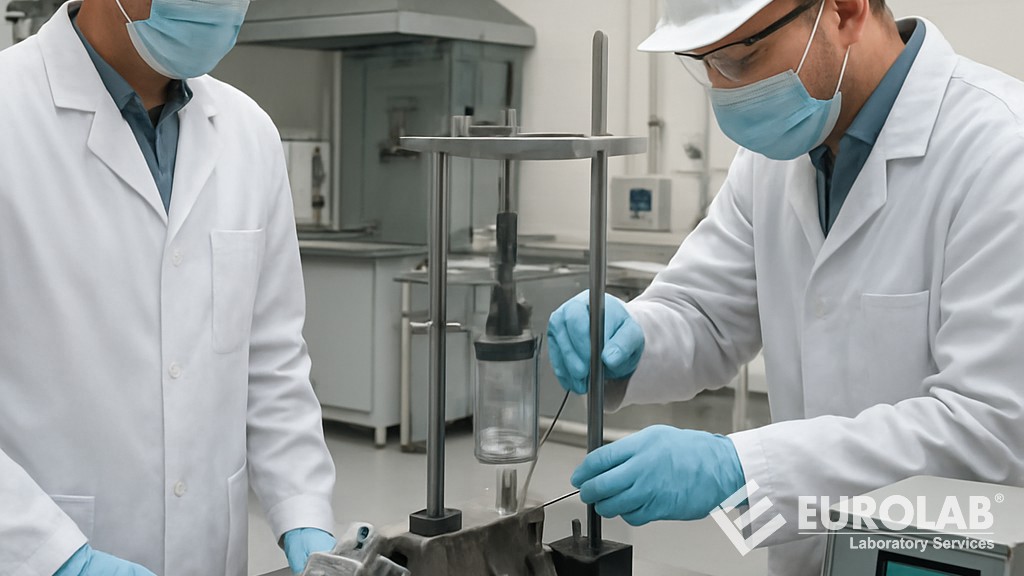
Filamentous corrosion (or subfilm corrosion) is a type of localized corrosion that occurs in metal substrates, most commonly aluminum and magnesium alloys, beneath thin organic coatings (such as paints, clear coatings, or powder coatings). It manifests as fine, worm-like or filamentous marks radiating from coating defects (e.g., scratches, chips, or edges) in hot, humid environments (typically 70–95% relative humidity and temperatures around 20–40 degrees Celsius). Corrosion begins in a defect where moisture and initiators (such as chlorides) penetrate, forming an active electrochemical cell with an anode head and cathode tail, leading to gradual delamination and aesthetic/structural degradation.
In the automotive industry, this is particularly important for aluminum wheels, body panels, cladding, and other coated exterior components. BMW has occasionally faced warranty claims related to filament corrosion on alloy wheels.
The aim of the BMW AA 0612 standard is to define a controlled laboratory method for initiating, accelerating, and evaluating filamentous corrosion in scratched (intentionally scratched) test specimens. The test assesses coating integrity, pretreatment quality (e.g., conversion coatings or anodizing), and overall corrosion protection performance under simulated service conditions.
Filamentous corrosion testing generally follows these steps:
This standard aligns with BMW’s emphasis on long-term durability for exterior aluminum parts. It is part of a broader family of corrosion tests (e.g., BMW AA 0168 for filiform corrosion, BMW AA P 175 for cyclic corrosion, salt spray variants). Similar customer-specific filiform corrosion tests for BMW are referenced alongside standards such as DIN EN ISO 4623-2, DIN EN 3665, ASTM D2803, or SAE J2635 (specifically targeting painted aluminum wheels).
The BMW AA 612 standard is inspired by, or is consistent with, the following commonly used filiform corrosion testing methods:
Suppliers to BMW must demonstrate compliance with the BMW AA 612 standard in their part approval processes. Failure in the filiform test may lead to the rejection of coatings or the application of improved pretreatment (e.g., chrome-free conversion coatings, better adhesion enhancers). During use, severe hairline corrosion on BMW wheels has occasionally led to warranty disputes, but BMW's corrosion warranty covers punctures rather than surface hairline corrosion, provided it does not lead to structural problems.
The BMW AA 612 wire corrosion test standard is important because it directly addresses a type of corrosion that affects painted or clear-coated aluminum parts (particularly alloy wheels) in BMW vehicles, which is permanent and visually/structurally problematic. The main reasons this standard is considered important are:
In short, the BMW AA 612 standard prevents a common, annoying, and visible problem in highly visible parts such as wheels, protects the long-term appearance and value of the vehicle, controls supplier performance, and minimizes warranty and after-sales issues.
For many years, our organization, with its competent and experienced team, has been understanding the needs of its clients, providing the advanced testing services they require, and assisting them in the establishment, implementation, and improvement of management systems. Within this framework, we also provide testing services in accordance with the BMW AA 0612 standard.
To get an appointment, to get more detailed information or to request an evaluation, you can ask us to fill in our form and reach you.

