

Ford DVM-0036 Sunscreen Resistance Test

Ford DVM-0036 Sunscreen Resistance Test

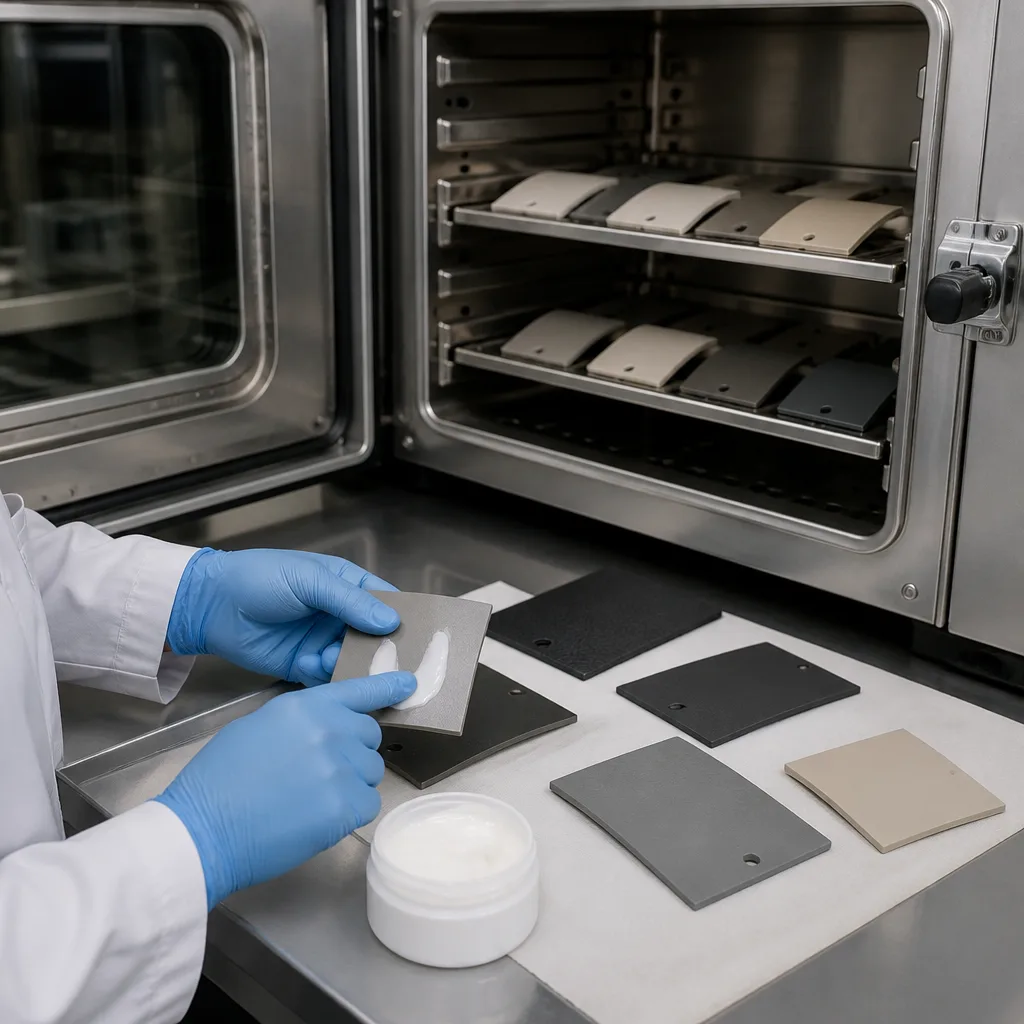
The “Ford DVM-0036 Sunscreen Resistance Test” standard, developed by Ford Motor Company (Ford), is a materials performance standard used to evaluate the resistance of automotive interior and body surfaces to sunscreen products. The described test method assesses whether vehicle materials can withstand repeated exposure to sunscreen chemicals without being affected by discoloration, softening, staining, gloss change, cracking, swelling, or other forms of deterioration.
Ford DVM-0036 Sunscreen Resistance Test

Modern sunscreens contain complex chemical components such as UV absorbers, oils, titanium dioxide, zinc oxide, and organic solvents, which can interact with plastics, painted surfaces, synthetic leather, fabrics, and decorative coatings used in vehicle interiors. To ensure these materials maintain their appearance and functionality throughout the vehicle's lifespan, the DVM-0036 standard was developed.

The primary objectives of this standard are:

  • To evaluate the resistance of interior coatings and upholstery materials to sunscreen contamination.
  • Preventing premature aging caused by consumer products.
  • To verify the long-term durability of painted and coated surfaces.
  • To support material selection during vehicle development.
  • Ensuring customer satisfaction by maintaining the interior appearance over time.

The materials typically tested using the described test method include:

  • instrument panels
  • Door trim panels
  • Center consoles
  • Armrests
  • Steering wheel covers
  • Interior painted plastic components
  • Decorative coatings
  • Synthetic leather and vinyl surfaces
  • Fabric upholstery materials

This testing method generally follows these steps:

  • Apply a specific amount of sunscreen to the test surface.
  • To cover the area with a fabric or contact medium.
  • Applying pressure using a specified weight.
  • Exposing the sample to controlled environmental conditions, typically including high temperatures.
  • Cleaning the surface after exposure.
  • Evaluating the material in terms of visible and tactile changes.

Typical assessments include the following:

  • color change
  • Staining
  • Brightness change
  • Surface softening
  • Cracking
  • Swelling
  • Loss of adhesion
  • Surface adhesion or texture change

Ford's materials validation programs typically combine sunscreen exposure with challenging environmental conditions such as:

  • High temperatures simulating a parked vehicle during the summer months.
  • Exposure to intense UV radiation
  • Long-term aging cycles
  • Climate chamber test

Some Ford applications have subjected materials to temperatures approaching 74 degrees and prolonged UV exposure to simulate years of real-world service.

Depending on component and material properties, acceptable performance typically requires the following:

  • No visible staining
  • No significant color change.
  • No cracking or blistering.
  • No surface degradation
  • Preservation of the original appearance and texture.
  • Minimum brightness change

Results are generally evaluated through visual inspection and comparison with validated reference samples.

The Ford DVM-0036 standard is part of a broader family of chemical resistance tests used in the automotive industry and includes the following:

  • Ford DVM-0039: Insect repellent resistor.
  • GM GMW14445: Sunscreen and insect repellent resistance.
  • Various original equipment manufacturer chemical resistance specifications for interior materials.

These standards address the increasing exposure of vehicle interiors to personal care products used daily by consumers.

The Ford DVM-0036 standard is important because it assesses how resistant vehicle interior materials are to contact with sunscreen products frequently used by occupants. Modern sunscreens contain oils, UV filters, emulsifiers, and solvents that can chemically interact with plastics, coatings, synthetic leather, and painted surfaces. This standard is necessary for the following reasons:

  • It simulates real customer use: Drivers and passengers typically apply sunscreen before getting into vehicles. Their hands, arms, and clothing transfer sunscreen to the following surfaces:
    • steering wheel
    • Door panels
    • Center consoles
    • Armrests
    • Seats
    • Touch surfaces

This standard ensures that these materials can withstand daily exposure without visible damage.

  • Prevents staining and discoloration: Some sunscreen ingredients can leave permanent stains or cause discoloration on interior materials. Testing helps manufacturers identify materials that retain their original appearance after repeated exposure. The benefits of this method include:
    • Reduced color fading.
    • Better preservation of appearance.
    • Better long-term aesthetics.
  • Protects surface coatings: Many interior components use decorative paints, soft-touch coatings, and protective coatings. Sunscreen chemicals can soften coatings, cause changes in gloss, reduce scratch resistance, or create sticky surfaces. This standard verifies that coatings remain durable and functional.
  • Improves material selection: During vehicle development, engineers evaluate multiple material options. Sunscreen resistance testing helps determine:
    • More durable polymers
    • Chemically resistant coatings
    • Improved synthetic leather formulations
    • Better decorative coatings

This leads to higher quality interior components.

  • It enhances vehicle durability: Vehicle interiors are expected to maintain their appearance for many years. If materials are not chosen correctly, sunscreen exposure can accelerate aging. This test helps to ensure the following:
    • Long-term durability
    • Consistent performance
    • Reduced warranty issues.
    • Better resistance to environmental stress.
  • It complements other chemical resistance tests: This standard is part of Ford’s broader interior durability program and works in conjunction with the following tests:
    • Insect repellents
    • Hand sanitizers
    • Cleaning products
    • Cosmetics
    • Beverage and food contaminants

In summary, the Ford DVM-0036 standard is a specialized automotive material durability standard designed to evaluate the effects of sunscreen products on vehicle interior surfaces and coatings. By simulating real-world exposure to sunscreen chemicals under controlled laboratory conditions, this standard helps ensure that automotive materials remain aesthetically pleasing, chemically stable, and durable throughout the vehicle's lifespan. Material qualification plays a vital role in coating development and overall vehicle quality assurance.

For many years, our organization, with its competent and experienced team, has been understanding the needs of its customers, providing the advanced testing services they require, and assisting them in the establishment, implementation, and improvement of management systems. Within this framework, we also provide testing services compliant with the Ford DVM-0036 standard.

WhatsApp

