

The “SAE J2261 Brake Lights and Front and Rear Turn Signal Lights for Use in Motor Vehicles with a Total Width of 2032 mm or More” standard, developed by the American Society of Automotive Engineers (SAE), describes the test procedures, requirements, and guidelines for brake lights and turn signal lights designed for use in vehicles with a total width of 2032 mm or more. Brake lights and front and rear turn signal lights that meet the requirements of this standard may be used in vehicles with a total width less than 2032 mm.
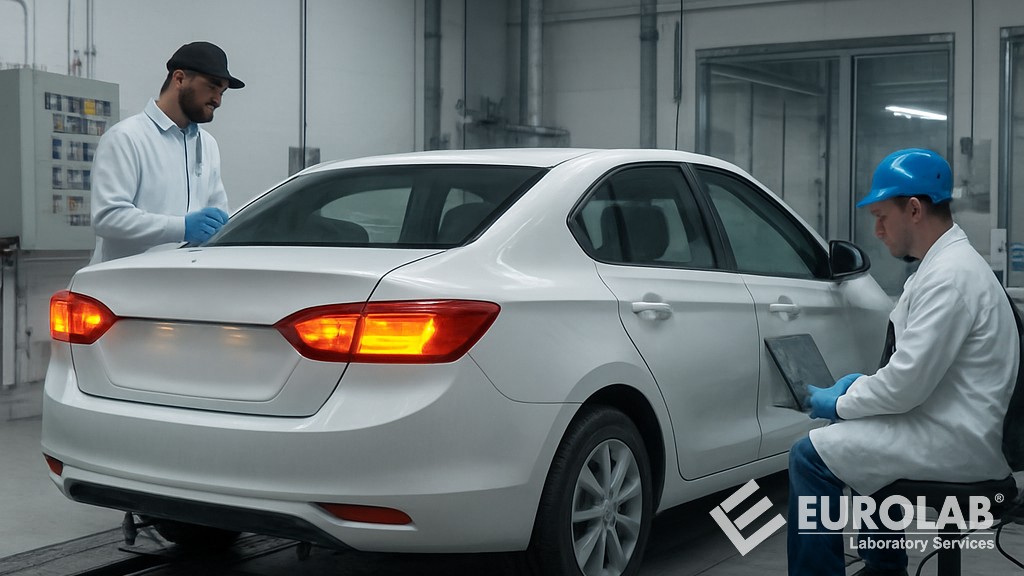
The SAE J2261 standard is an automotive lighting standard. It includes requirements, test procedures, and performance guidelines for taillights and turn signals used in specific motor vehicles. This standard primarily focuses on vehicles 2032 mm or wider. For example,
However, adaptive lighting systems can also be used in smaller vehicles.
The requirements of the SAE J2261 standard include the following:
The purpose of this standard is to ensure that these lighting devices do the following:
This standard includes:
The basic technical requirements in this standard are defined as follows:
These make the signals visible:
Color consistency is crucial for quick driver identification.
The SAE J2261 standard ensures that these vehicles are clearly visible during braking and turning.
This standard is continuously revised to take into account advancements in lighting technology (e.g., LED systems) and improved safety requirements.
Essentially, the SAE J2261 standard provides support for modern lighting technologies. This standard covers the following:
The SAE J2261 standard is widely used in the following areas:
The SAE J2261 standard is essential because it ensures that stop lights and turn signals on larger vehicles are clearly visible, consistent, and reliable, directly impacting road safety and regulatory compliance. This standard is considered important for the following reasons:
Without strict lighting requirements, other road users may misjudge braking distance or fail to recognize turning intentions. This standard ensures signals are bright, visible, and unambiguous, reducing the risk of accidents.
Without standardization, varying brightness levels or colors can confuse drivers and increase reaction times. This consistency is critical in high-speed or heavy traffic conditions.
This enables easier component design and sourcing, compatibility across different vehicles and markets, and reliable verification by testing laboratories.
Without these standards, manufacturers may face inconsistent legal requirements or vehicle certification may become more complicated.
In conclusion, the SAE J2261 standard is a critical standard regulating stop and turn signal lighting performance, especially for larger vehicles. By defining strict requirements for visibility, color, and testing, it plays a vital role in:
For many years, our organization, with its competent and experienced team, has been understanding the needs of its clients, providing the advanced testing services they require, and assisting them in the establishment, implementation, and improvement of management systems. Within this framework, we also provide testing services compliant with the SAE J2261 standard.
To get an appointment, to get more detailed information or to request an evaluation, you can ask us to fill in our form and reach you.

