

The standard, “SAE J2527 Performance-based standard for accelerated exposure of exterior automotive materials using controlled-beam xenon arc apparatus,” developed by the American Society of Automotive Engineers (SAE), describes the operating procedures for a controlled-beam, xenon arc apparatus used for accelerated exposure of various exterior automotive materials.
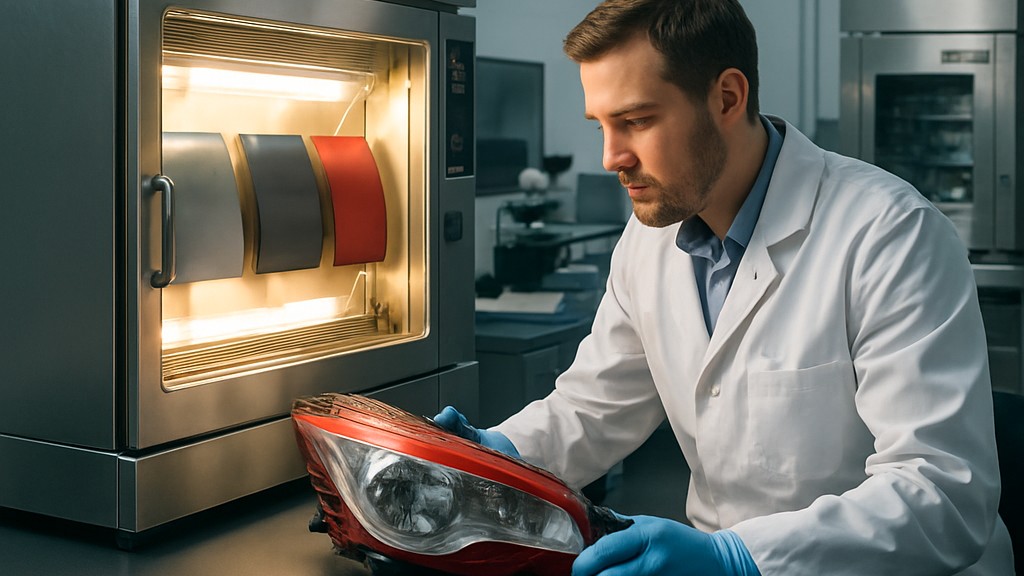
In the competitive automotive industry, a vehicle's exterior isn't just about aesthetics; it's also about constant exposure to harsh weather conditions. From the scorching sun of one desert to the incessant rain of another, exterior materials like paints, plastics, and coatings must withstand years of abuse without fading, cracking, or deteriorating. The SAE J2527 standard provides a standardized and accelerated method for simulating these conditions using xenon arc technology. This performance-based standard ensures consistency across global laboratory testing.
This standard focuses on simulating the effects of outdoor weather conditions on exterior components. Unlike standards focused on interiors, such as SAE J2412, SAE J2527 combines the full spectrum of unfiltered sunlight (UV, visible, and infrared) with heat and humidity to mimic real-world exposure without the protective barrier of glass.
The primary goal of this standard is to accelerate degradation processes, enabling manufacturers to predict material life much more quickly. It includes procedures for xenon arc chambers, emphasizing controlled irradiation for repeatability. While it references ASTM G155 for general xenon arc applications, SAE J2527 is quite specific, detailing precise cycles and monitoring to eliminate variability. Test times are typically energy-based, not time-based, resulting in years of service life equivalent. This makes it ideal for qualifying paints, polymers, and composites used in bumpers, hoods, and upholstery.
The test method described uses a xenon arc lamp in a weatherproof chamber to bombard samples with simulated sunlight. It is designed for water-cooled xenon equipment, with parameters adjusted to suit global climates. The basic steps of the process are as follows:
This cycle, identical to the ASTM G155 standard cycle, includes the unique backsplash feature of spraying from behind the sample to enhance moisture effects, but its practical benefits are debatable.
The SAE J2527 standard is a key element for original equipment manufacturers and premium suppliers in verifying outdoor durability. This standard is important for:
Its use extends to non-automotive transport areas such as heavy trucks or marine coatings, but is optimized for passenger vehicles.
Ultimately, the SAE J2527 standard transforms unpredictable outdoor environments into a predictable laboratory benchmark, enabling automakers to design exteriors that will shine over time. By accelerating nature's most challenging tests, it minimizes field failures and boosts consumer confidence.
Our organization, with its competent and experienced team, has been understanding the needs of its customers for years, providing them with the advanced testing services they need, and assisting them in the establishment, implementation, and improvement of management systems. In this context, we also provide testing services in accordance with the "SAE J2527 Performance-Based Standard for Accelerated Exposure of Automotive Exterior Materials Using Controlled Irradiation Xenon Arc Apparatus."
To get an appointment, to get more detailed information or to request an evaluation, you can ask us to fill in our form and reach you.

