

Developed by BMW, a leading German multinational company in the automotive sector, the “BMW PR 309 Vibration test for trim parts in cases where different components are used together” standard describes the requirements and procedures for vibration testing of equipment components, focusing particularly on interior parts such as instrument panels (dashboard assemblies) and all associated auxiliary components.
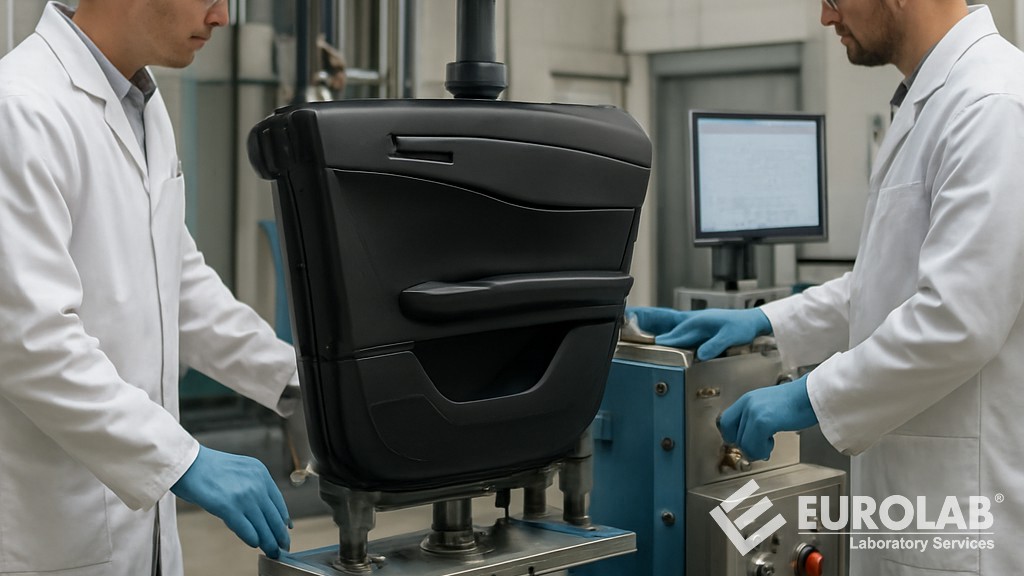
In modern vehicles, components such as instrument panels, infotainment systems, air vents, controls, and other mounted interior elements must withstand constant vibrations from the engine, road conditions, and driving dynamics throughout the vehicle's lifespan. The BMW PR 309 standard simulates these real-world stresses to ensure this.
This testing method is critical for quality assurance in BMW's supply chain. Suppliers of plastic, composite, or assembled components must verify their products against this standard before obtaining approval for series production. The key features of this test are as follows:
This standard is part of a broader family of standards that cover environmental, mechanical, and material durability.
BMW PR 309 tests are typically carried out in conjunction with the following relevant tests:
BMW PR 309 tests are part of BMW's rigorous qualification process for interior and electronic components. This standard is a critical internal test standard for the vibration resistance of equipment components, particularly instrument panels (dashboards) and all related parts (such as infotainment displays, air vents, controls, glove compartments, and wiring harnesses). The main reasons why this standard is considered important are:
These vibrations accumulate over hundreds of thousands of kilometers. Without proper testing, the following can develop in the components:
This standard simulates real-world vibration loads (typically using random or sinusoidal profiles along multiple axes) to verify that components remain securely attached and structurally sound for the vehicle's lifespan. This prevents catastrophic separation of heavy dashboard components that could compromise safety.
Vibration can cause the following:
This standard ensures that these systems remain fully operational under vibrational stress, thereby supporting the reliability of safety-critical and comfort features.
In conclusion, the BMW PR 309 standard is not just a procedure, but a cornerstone of BMW's engineering philosophy for superior quality, quiet cabins, and long-term reliability. Poor vibration performance leads to higher warranty costs, reputational damage, and sales losses in the competitive luxury market. The instrument panel is one of the most visible and frequently interacted areas in the vehicle, so any problems that may arise here will be immediately noticed by the owners.
For many years, our organization, with its competent and experienced team, has been understanding the needs of its clients, providing the advanced testing services they require, and assisting them in the establishment, implementation, and improvement of management systems. Within this framework, we also provide testing services in accordance with the BMW PR 309 standard.
To get an appointment, to get more detailed information or to request an evaluation, you can ask us to fill in our form and reach you.

