

The BMW GS 93008 standard, developed by the automotive manufacturer BMW , outlines the requirements that contractors are expected to comply with throughout the entire lifecycle of materials and products. Contractors are responsible for the registration and, where necessary, authorization or notification of chemical substances present in materials and products, in accordance with the legal requirements applicable to the relevant market, for example, in the case of importing a chemical substance covered by the Registration, Evaluation, Authorization and Restriction of Chemicals (REACH) directive. Furthermore, upon request, the contractor must promptly provide BMW with all information regarding the goods and substances contained therein, even if these goods have already been delivered, as well as any declarations and confirmations requested by BMW to fully and timely fulfill their legal obligations.
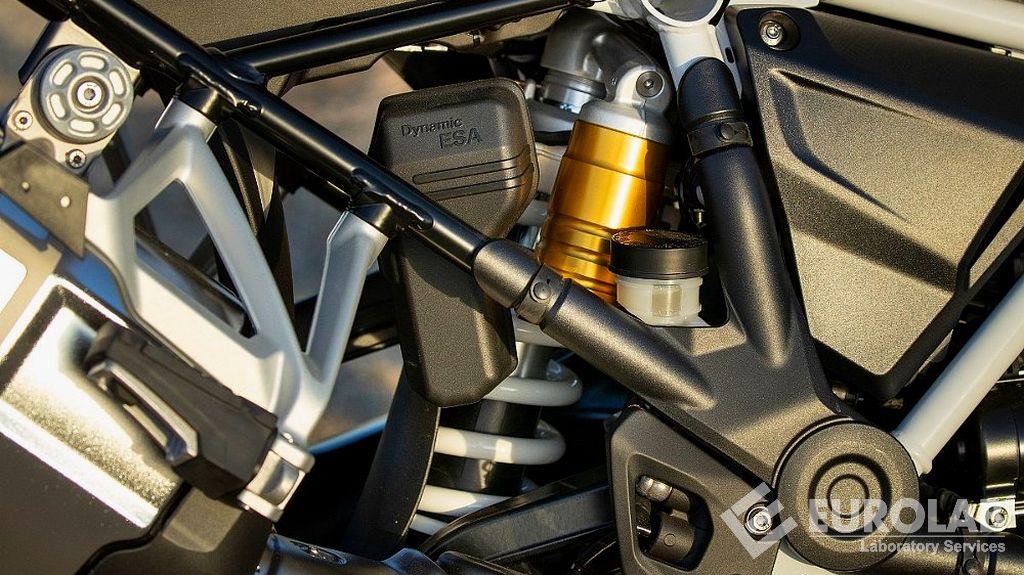
This standard, which mainly consists of four parts, regulates the content and emissions of dangerous substances in the materials and components used in production.
BMW considers its social responsibility towards employees and society. This applies to both BMW itself and its suppliers. BMW and contractor companies are sensitive to issues such as the protection of human rights, compliance with occupational health and safety standards, adequate social working conditions, protection of indigenous rights and compliance with current legal regulations.
The production of many parts (engines, plastics, various elements of a car) in the automotive industry requires the use of chemicals such as adhesives, acids, bases and cleaning chemicals in plastics, foams and surface treatments. Car manufacturers, when putting together the various elements of a car, use certain chemicals to keep the mechanics working properly. For example, anti-corrosion fluids in cooling systems, engine coolant concentrates, heat transfer fluids and coolants, oil-soluble colorants, colorants for petroleum, hydraulic fluids and fuel additives (from an efficiency and ecological point of view). The most commonly used chemicals at different stages of motor vehicle production are acids, bases and solvents (mostly organic solvents).
Among the numerous test, measurement, analysis and evaluation studies it provides for businesses in various sectors, our organization also provides testing services for hazardous materials in materials and components, within the scope of the BMW GS 93008 standard, with its trained and expert staff and advanced technological equipment.
To get an appointment, to get more detailed information or to request an evaluation, you can ask us to fill in our form and reach you.

