

Developed by BMW, a multinational vehicle manufacturer, the standard “Determination of molecular weight distribution of polymers using BMW AA 0073 GPC” is suitable for analytical chemistry tests for polymers and complements broader standards such as “Coatings on plastic parts - Painted plastic parts - Requirements and tests”.
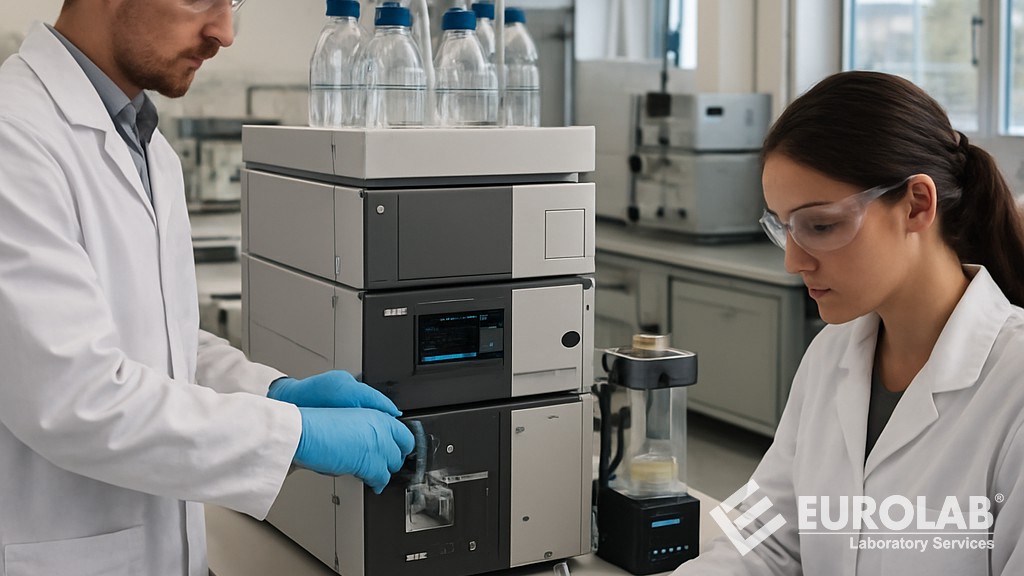
GPC stands for gel permeation chromatography and is an advanced analytical technique also known as size-exclusion chromatography. Gel permeation chromatography (GPC) is a type of liquid chromatography that separates molecules according to their size (hydrodynamic volume) as they pass through a porous gel column. Larger molecules elute more quickly because they cannot enter the pores, while smaller molecules travel longer distances through the pores.
The main application of this technique is determining the molecular weight distribution of polymers. This method involves the following measurements:
Polymers are ubiquitous in the automotive industry: in interior and exterior plastics, elastomers for seals, adhesives, coatings, and even advanced composites. Their molecular weight distribution directly influences:
BMW designed the BMW AA 0073 standard to ensure that suppliers' polymeric materials have precise molecular properties. This contributes to consistency in vehicle performance, safety, and longevity.
BMW's "AA" series covers a wide range of material and surface tests, including:
The BMW AA 0073 standard conforms to analytical chemistry tests for polymers and complements broader standards such as BMW GS 94007 (requirements for painted plastic parts). This standard is compatible with international norms such as ISO 13885 or ASTM D5296 for GPC analysis of polymers.
This testing method is crucial in BMW's rigorous material approval process for supplied polymeric components. The polymers used in modern vehicles (e.g., plastics for instrument panels, bumpers and structural parts, elastomers for seals and hoses, adhesives, coatings, and even advanced composites) do not consist of uniform chains. Instead, they have a distribution of molecular weights (chain lengths), and this distribution is characterized by the following averages: numerical mean molecular weight, weight mean molecular weight, and polydispersity index, which indicates the width of the distribution.
This molecular weight distribution profoundly affects the fundamental properties of the polymer:
In the automotive industry, because components must withstand extreme conditions (vibration, temperature variations between -40 and +150 degrees Celsius, exposure to fuels and oils), uncontrolled molecular weight distribution can jeopardize vehicle safety, performance, and regulatory compliance.
BMW mandates the BMW AA 0073 standard to ensure consistent and repeatable molecular weight distribution measurements across its global supply chain for the following reasons:
Without such a standard, variations in test methods can lead to unreliable data, inconsistent materials, and potential failures. The BMW AA 0073 standard is consistent with industry practices (similar to ASTM D5296 or ISO 16014 standards for GPC), but has been tailored to BMW's needs, highlighting their commitment to precision at the molecular level in materials science.
Consequently, the BMW AA 0073 standard is necessary because molecular weight distribution is a key determinant of polymer performance in vehicles, and standardized testing ensures the reliability, safety, and innovation that define BMW vehicles.
For many years, our organization, with its competent and experienced staff, has been understanding the needs of its clients, providing the advanced testing services they require, and assisting in the establishment, implementation, and improvement of management systems. Within this framework, we also provide testing services to businesses in accordance with the "Determination of molecular weight distribution of polymers using BMW AA 0073 GPC" standard.
To get an appointment, to get more detailed information or to request an evaluation, you can ask us to fill in our form and reach you.

