

The “BMW AA 0028 Infrared Spectrometry (IR/FTIR) Analysis of Organic and Inorganic Samples” standard, developed by BMW, a multinational vehicle manufacturer, describes the use of infrared spectrometry (IR/FTIR) in the analysis of organic and inorganic samples. This standard is a materials testing standard focusing on Fourier transform infrared (FTIR) spectroscopy, also known as infrared spectrometry (IR). This analytical technique identifies and characterizes the chemical composition of materials by measuring how they absorb infrared light.
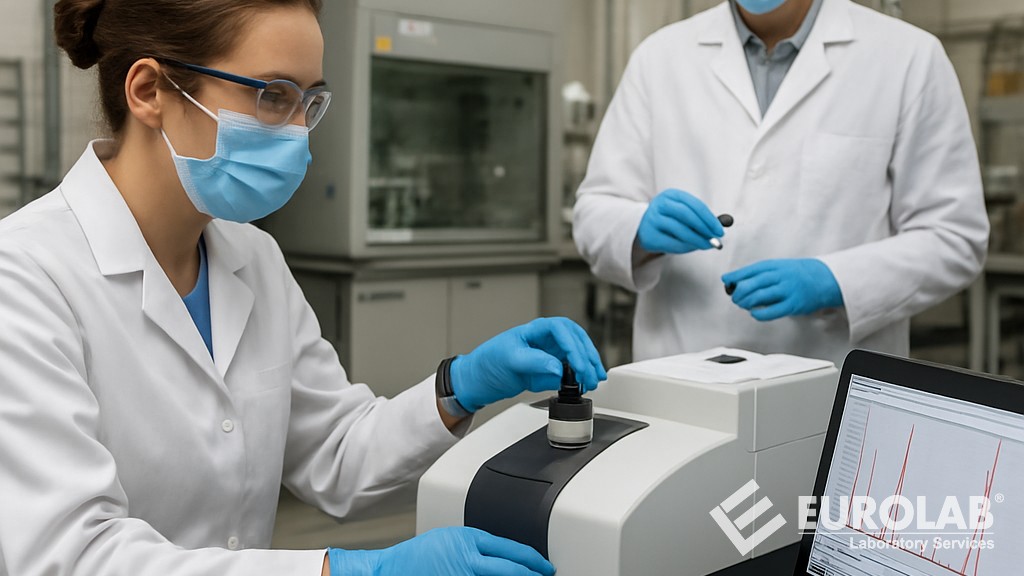
The purpose of this standard is to qualitatively and quantitatively analyze samples of certain inorganic materials, particularly organic compounds (e.g., polymers, paints, adhesives, coatings) used in automotive components. In the automotive industry, FTIR is essential for verifying material conformity, detecting contaminants, identifying unknown substances, and ensuring consistency in supplier materials. For example, it can verify the composition of plastics, rubbers, sealants, or coatings in parts such as interior trim, exterior paints, or engine components.
These tests are conducted by advanced laboratories and are offered as part of a broader range of material qualification and failure analysis services for BMW suppliers and manufacturers.
This testing method essentially follows these steps:
This non-destructive test is fast, requires minimal sample preparation, and is highly accurate. This makes it ideal for quality control in high-volume automotive production.
BMW’s AA series standards, including the BMW AA 0028 standard, are part of a comprehensive package that also covers mechanical, environmental and chemical testing (for example, the BMW AA 0129 standard for CASS corrosion testing or the BMW AA 0054 standard for coating resistance to vehicle washes).
While the BMW AA 0028 standard isn't directly related to visible vehicle issues like corrosion on alloy wheels (typically involving filamentous corrosion beneath clear coatings), it indirectly supports research into coating compositions or defects.
This standard is vital to BMW’s quality assurance ecosystem for several critical reasons, particularly given the complexity and high standards of modern automotive production.
This standard is considered important for BMW vehicles for the following reasons:
FTIR provides a unique spectral fingerprint of molecular bonds, enabling rapid identification and verification that supplied materials precisely match BMW's approved specifications. Without standardized testing, results could vary between suppliers or laboratories, risking inconsistent quality across production.
In conclusion, the BMW AA 0028 standard demonstrates the company's commitment to precision engineering through advanced analytical methods. It's a tool working behind the scenes that contributes to the reliability and longevity of BMW vehicles. Essentially, this standard is not just a test procedure, but a cornerstone of BMW's rigorous materials qualification system. Through this method, BMW minimizes risks, enhances vehicle durability and safety, and maintains the precision engineering standards that customers expect.
For many years, our organization, with its competent and experienced staff, has been understanding the needs of its clients, providing the advanced testing services they require, and assisting in the establishment, implementation, and improvement of management systems. Within this framework, we also provide testing services to businesses in accordance with the "BMW AA 0028 Infrared spectrometry (IR/FTIR) analysis of organic and inorganic samples" standard.
To get an appointment, to get more detailed information or to request an evaluation, you can ask us to fill in our form and reach you.

