

The “BMW AA 0567 Color Fastness to Sweat (Sweat Resistance)” standard, developed by BMW, a multinational vehicle manufacturer, describes a specific test method designed to evaluate the color fastness (resistance to color change or staining) of materials, particularly interior textiles, leather, and other upholstery components, when exposed to human sweat.
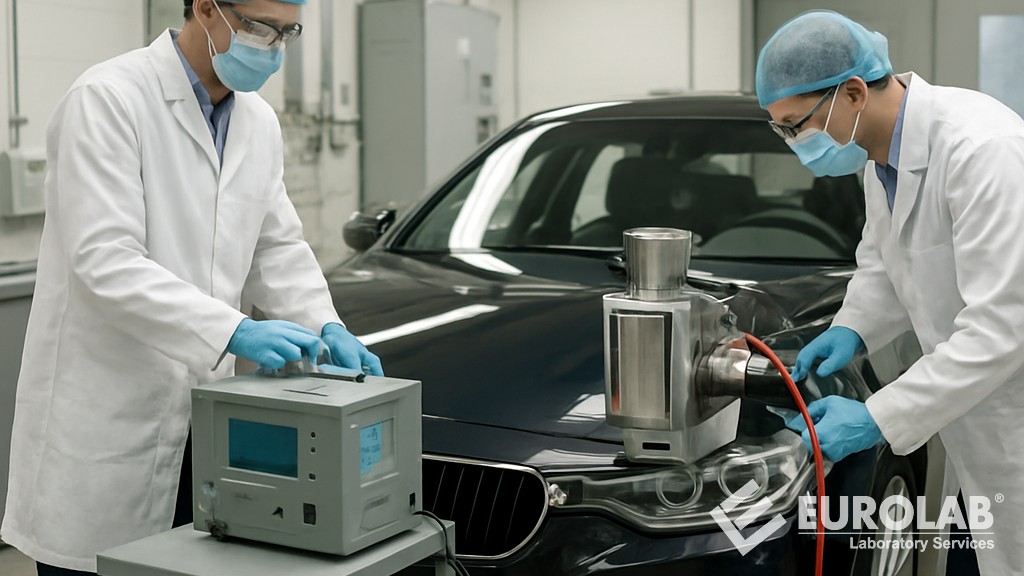
This standard is part of BMW’s comprehensive portfolio of interior material and component testing specifications. It ensures that surfaces inside the vehicle, particularly seats, steering wheels, gear knobs, door panels and other frequently touched areas, maintain their appearance and quality over time, even under conditions involving prolonged skin and sweat contact.
The BMW AA 0567 standard test method is generally divided into two main versions, depending on the pH level of the artificial sweat solution used:
These two conditions encompass the pH range of human sweat, as sweat pH can vary depending on diet, health, and other factors.
The purpose of this method is to evaluate the following:
Poor performance in this test can lead to noticeable fading, discoloration, or staining in real-world use. This affects perceived quality, which is a key priority for a premium brand like BMW.
This test is generally used as a reference in the following:
The BMW AA 0567 standard test method generally follows principles similar to international standards such as ISO 105-E04 or DIN 54020, but has been adapted to BMW's more stringent automotive requirements. The test typically follows these steps:
The requirements are strict and generally demand minimal color variation (e.g., at least 4 points on a 5-point grayscale) and no significant staining.
The BMW AA 0567 standard is often found alongside other interior material durability tests, such as those listed below:
These tests, taken collectively, ensure that BMW interiors withstand daily use, environmental factors, and human contact without aesthetic or functional degradation.
This standard reflects BMW’s commitment to long-term interior quality and helps the brand maintain its reputation for durable and superior-feeling cabins, even years later.
The BMW AA 0567 perspiration/fading resistance certification is necessary because human sweat, particularly in frequently touched areas such as seats, steering wheel, armrests, gear levers and door panels, poses a real and persistent risk to the long-term appearance and perceived quality of high-end vehicle interiors.
Human sweat is not just water; it's a slightly acidic to alkaline solution containing salts, urea, lactic acid, and other compounds. Over time (especially in hot climates, during long journeys, summer use, or frequent passenger transport), repeated skin contact and exposure to sweat can cause:
In a luxury vehicle like a BMW, even minor, visible alterations (yellowed edges, halogen spots, fading in places) are unacceptable; they detract from the premium feel, reduce resale value, and can lead to customer complaints or warranty claims.
Real-world driving conditions make the situation even worse:
While international standards such as ISO 105-E04 exist, the BMW AA 0567 standard is more stringent and specific:
For many years, our organization, with its competent and experienced team, has been understanding the needs of its clients, providing the advanced testing services they require, and assisting them in the establishment, implementation, and improvement of management systems. Within this framework, we also provide testing services in accordance with the BMW AA 0567 standard.
To get an appointment, to get more detailed information or to request an evaluation, you can ask us to fill in our form and reach you.

