

Developed by BMW, a leading German multinational company in the automotive sector, the “BMW QV 51154-3.2.2 Peel test of floor mats - Separation force between backing and pad” standard is an internal quality assurance standard published for testing and evaluating floor mats (foot mats or carpet mats) used in vehicles. These standards are part of a broader set of material and component requirements that BMW has established to ensure the durability, safety, and performance of its interior components.
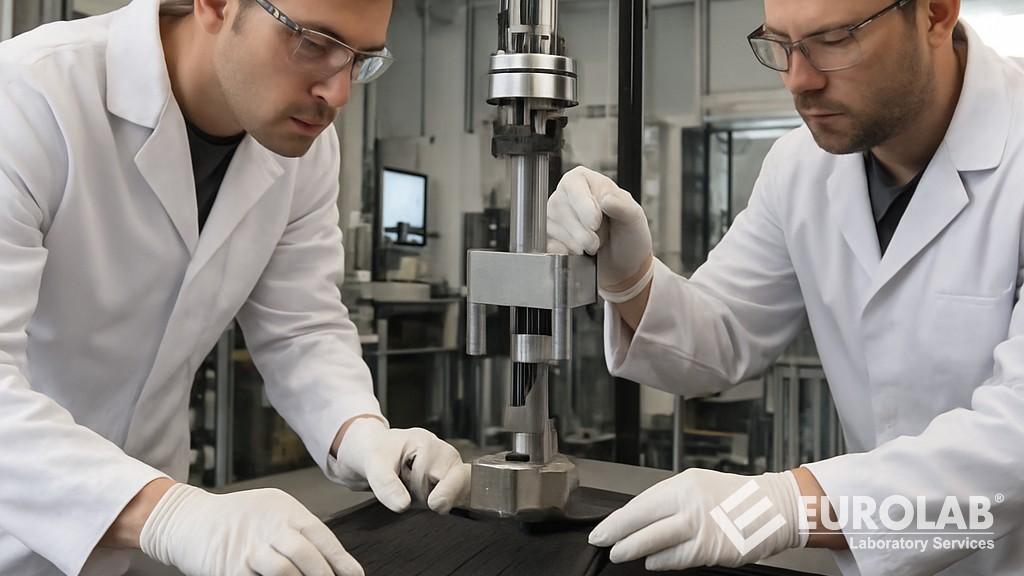
This standard primarily focuses on the peel strength or separation strength of layered mat components. It defines tests to verify how well various layers (e.g., carpet surface, backing, foam pad, or non-slip underlay) adhere to each other under tension.
The main test referenced is described in subsection “BMW QV 51154 § 3.2.2 Peel test for QS floor mats (separation force between backing and pad)”. This test is carried out in accordance with the German standard “DIN 54310 Textile tests - Separation of adhesive interlayers from top fabrics, mechanical separation test”, which is used to determine the peel resistance of textile floor coverings or similar bonded materials.
This test measures the force required to separate the backing layer from the pad/foam layer, ensuring the mat does not separate during use, cleaning, or exposure to environmental conditions such as temperature changes, humidity, or mechanical wear. This helps prevent problems that could create safety hazards (e.g., loose material interfering with pedals) or shorten the mat's lifespan, such as peeling, blistering, or complete delamination.
Floor mats in high-end vehicles like BMWs must withstand heavy pedestrian traffic, dirt, moisture, and frequent removal and cleaning while maintaining their structural integrity. Failure in a peel test may indicate poor adhesion quality from manufacturing, which can lead to warranty claims, customer dissatisfaction, or, in extreme cases, recalls.
The BMW QV 51154 standard is necessary because it directly addresses the real-world durability, customer satisfaction, and, most importantly, vehicle safety risks associated with floor mats in high-end automobiles. Floor mats in modern vehicles are typically multi-layered composites: a carpet-like top surface is bonded to a foam pad or cushion, usually along with a non-slip base or heel pad. These layers are bonded together using adhesives or lamination processes. Over time, they can be exposed to:
This situation can lead to the separation (peeling) of the layers. BMW QV 51154 (in particular § 3.2.2) mandates a peel strength test (the separation force between the support and the pad) based on the DIN 54310 standard, which is a standardized method for measuring peel resistance in textile floor coverings and bonded materials.
This test is considered important for the following reasons:
In conclusion, the BMW QV 51154 standard is not merely a procedure, but a proactive engineering requirement to prevent safety risks, protect a superior owner experience, and safeguard BMW’s reputation for engineering excellence. Without it, cheaper or poorly glued floor mats could jeopardize the lifespan of the vehicle’s interior and, in the worst-case scenarios, driver control.
For many years, our organization, with its competent and experienced staff, has been understanding the needs of its clients, providing the advanced testing services they require, and assisting them in the establishment, implementation, and improvement of management systems. Within this framework, we also provide testing services in accordance with the BMW QV 51154 standard.
To get an appointment, to get more detailed information or to request an evaluation, you can ask us to fill in our form and reach you.

