SES N 3236 Automotive Sealing Rubbers
Developed by Suzuki Motor Corporation as part of its standards for rubber and elastomer materials, the “SES N 3236 Automotive Sealing Rubbers” standard is an internal automotive material standard that defines the requirements, classifications, and performance criteria for rubber materials used in sealing applications.
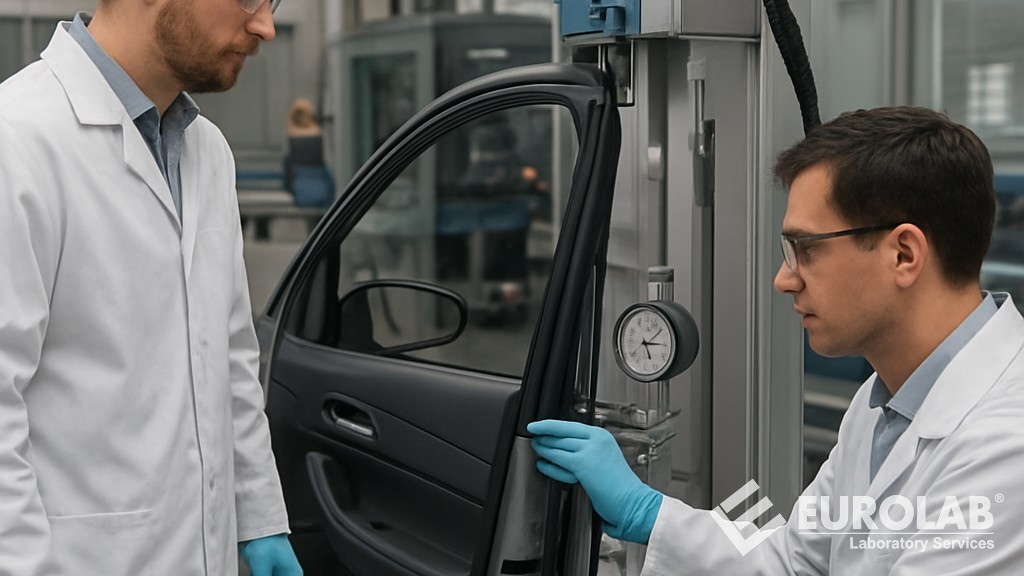
SES N 3236 is a material specification standard for automotive sealing rubbers, covering elastomers used in components such as:
- Door and window seals (airtight strips)
- Engine and transmission gaskets
- O-rings and gaskets
- Oil seals and shaft seals
- Dust bellows and protective covers
Ensures that sealing materials meet automotive-grade durability, safety, and performance requirements.
The SES N 3236 standard includes common automotive elastomers such as:
- NBR (nitrile rubber): Oil-resistant seals (engines, transmissions)
- EPDM (ethylene propylene rubber): Weather-resistant seals (for doors, windows)
- HNBR: High temperature, high performance sealant.
- FKM (fluoroelastomer): extremely resistant to chemicals and heat.
- Silicone: Wide temperature range applications.
These materials are widely used because their sealing performance largely depends on chemical compatibility, temperature resistance, and flexibility.
Automotive sealing rubbers are used throughout the vehicle to prevent leaks, block contaminants, reduce noise, and protect components.
The main applications of sealing rubbers are as follows:
- Engine and powertrain systems: Sealing rubbers are critical for keeping liquids in and contaminants out. Key applications include:
- Engine gaskets (cylinder head, oil sump)
- Crankshaft and camshaft seals
- Transmission gaskets
- Fuel system O-rings
The goal is this:
- To prevent oil, fuel, and coolant leaks.
- To maintain pressure and lubrication.
- Fuselage and cabin sealing (air strips): Used to insulate the passenger cabin from the external environment. Application areas include:
- Door seals
- Window seals
- Trunk and hood seals
The goal is this:
- To prevent water, dust, and air leakage.
- Improving sound insulation (NVH performance)
- Increasing passenger comfort
- Liquid system sealing: Used in systems that transport liquids under pressure. Application areas include:
- Brake system seals
- Cooling system hoses and gaskets
- Air conditioning gaskets
The goal is this:
- To ensure leak-proof operation.
- Resistant to chemicals and heat.
- Dynamic sealing applications: Used where parts move relative to each other. Application areas include:
- Shaft seals
- Hydraulic seals
- Suspension dust blowers
The goal is this:
- To maintain sealing under movement and friction.
- To prevent wear and tear and contamination.
- Electrical and electronic protection: Modern vehicles require sealing for sensitive electronic components. Application areas include:
- Battery pack gaskets (electric vehicles)
- Sensor housings
- Motor control unit housings
The goal is this:
- Protection against moisture and dust.
- To ensure long-term reliability.
Rubber is selected based on the following factors:
- Temperature range
- Chemical exposure (oil, fuel, coolant)
- Mechanical tension
Sealing rubbers must undergo rigorous testing:
Sealing rubbers perform multiple functions simultaneously:
- Leak prevention: Contains liquids within systems.
- Environmental protection: Prevents dust, water, and debris.
- Noise and vibration reduction: Improves comfort (NVH).
- Thermal insulation: Maintains temperature stability.
In short, automotive sealing rubbers are used for the following:
- Sealing fluids (engine, transmission, brake systems).
- To protect the cabin and electronic components.
- To ensure that moving parts operate safely.
- To increase durability, comfort, and safety.
Automotive sealing rubbers are essential for vehicle reliability, safety, and long-term performance.
The basic requirements specified in the SES N 3236 standard are as follows:
- Physical and mechanical properties:
- Hardness (Shore A)
- Tensile strength and elongation
- Tear resistance
- Compression permanent deformation (critical for sealing performance)
It ensures that the seals maintain their shape and pressure over time.
- Thermal resistance:
- Performance at low and high temperatures
- Aging resistance under heat
Gaskets are important because, depending on the material, they operate in temperatures ranging from -40 degrees to 150-200 degrees.
- Chemical resistance:
- Oils, fuels, coolants, brake fluids
- Environmental exposure (ozone, UV, water)
Weak resistance leads to swelling, cracking, or leakage.
- Durability and aging:
- heat aging
- Ozone resistance
- Weather resistance
Seals must withstand failure for the entire lifespan of the vehicle.
- Functional performance:
- Leak prevention
- Elastic recovery
- Friction behavior (dynamic seals)
Rubber seals are critical because they prevent fluid leakage and block contaminants, directly impacting vehicle safety and reliability.
A modern vehicle contains 300-400 rubber compounds, most of which are sealing elements. The main applications are:
- Static sealing:
- gaskets
- O-rings in fluid systems
- Dynamic sealing:
- Crankshaft seals
- Transmission shaft seals
- Environmental sealing:
- Door and window seals
- Trunk and hood seals
- Protective sealing
- Dust bellows (CV joints, suspension)
The main reasons why the SES N 3236 standard is important are as follows:
- Prevents leakage failures: Oil, fuel, and coolant leaks create safety and warranty issues.
- It ensures vehicle reliability: Seals protect critical systems from contamination.
- It standardizes material quality: Consistent performance is ensured across suppliers and global production.
- It supports demanding working conditions: heat, pressure, chemicals, vibration.
- Reduces costs and maintenance: Long-lasting seals, fewer failures and recalls.
In conclusion, the SES N 3236 standard defines how automotive sealing rubbers should perform in the following aspects:
- Mechanical durability
- Temperature resistance
- Chemical compatibility
- Long-lasting durability
This ensures that every seal in a vehicle provides reliable, leak-free, and long-lasting performance under real-world conditions.
For many years, our organization, with its competent and experienced team, has been understanding the needs of its clients, providing the advanced testing services they require, and assisting them in the establishment, implementation, and improvement of management systems. Within this framework, we also provide testing services compliant with the SES N 3236 standard.



