

The “Ford MA-0045 Surface Coating Solvent Resistance – Surface Coating Curing” standard, developed by Ford Motor Company (Ford), is an engineering materials testing standard used to evaluate specific performance characteristics of materials or components supplied for Ford vehicles. Like other Ford standards, this standard is part of Ford’s internal materials qualification process and ensures that components meet the company’s requirements for durability, quality, and long-term performance before being approved for production.
The primary purpose of the Ford MA-0045 standard is to establish a standardized testing methodology that ensures consistent evaluation of materials or components used in Ford vehicles. This standard helps ensure that each supplier measures product performance using the same procedures, equipment, environmental conditions, and acceptance criteria.
Depending on the product category specified in the engineering specification, the Ford MA-0045 standard may apply to:
This standard is generally referenced in conjunction with Ford engineering material specifications rather than being used independently.
In short, the Ford MA-0045 standard is a material approval test standard used to evaluate the solvent resistance and curing quality of automotive exterior topcoat paint systems. This standard helps determine whether an exterior coating achieves sufficient chemical cross-linking after curing to withstand solvent exposure during manufacturing and throughout the vehicle's lifespan. Essentially, this standard relates to solvent abrasion tests of automotive paint coatings.
Automotive exterior coatings should provide more than just an attractive appearance. They should also be able to withstand the following:
The Ford MA-0045 standard verifies that the top coating has cured correctly and has developed its intended chemical and mechanical properties prior to production approval.
This standard applies primarily to:
Evaluation is typically performed after the coating has completed its specified curing cycle.
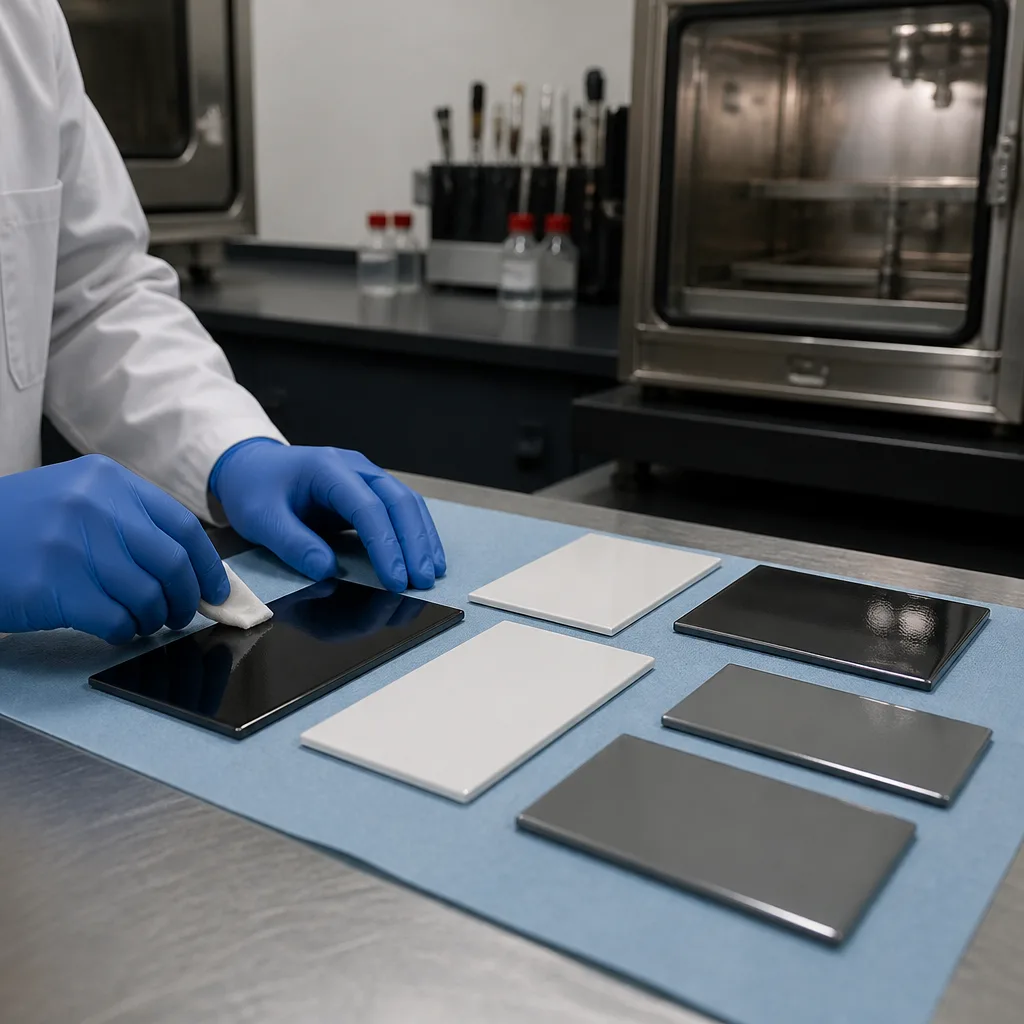
The described test method is based on a simple but highly effective concept: a properly cured paint film resists attack by organic solvents, while an inadequately cured coating softens, dissolves, or is removed when rubbed with a solvent-soaked cloth. Therefore, the test indirectly measures the degree of curing by evaluating solvent resistance.
This method typically follows these steps:
The test examines various indicators of coating performance. These include:
Automotive exterior top coatings are generally thermoset coatings. During curing, resin molecules chemically react to form a three-dimensional polymer network. Proper curing ensures:
Insufficient curing leaves the coating vulnerable to solvents, chemicals, and premature deterioration.
If a coating does not meet the requirements of the Ford MA-0045 standard, the defects may include:
These defects usually indicate incomplete curing or problems in the paint process.
Several variables influence solvent resistance:
Baking temperature
Because of these factors, testing is often used as part of paint process verification and quality control.
In the automotive industry, the Ford MA-0045 standard is commonly used in the following areas:
This is particularly valuable when changes are made to curing programs, oven conditions, or coating formulations.
The Ford MA-0045 standard complements other coating performance tests such as the following:
Together, these assessments provide a comprehensive evaluation of the durability of automotive paint.
Implementing the Ford MA-0045 standard offers several advantages:
In conclusion, the Ford MA-0045 standard is a crucial quality assurance standard for evaluating the solvent resistance and curing of automotive exterior coatings. This standard verifies that paint films have reached the required curing level, helping to ensure coatings possess the chemical resistance, hardness, and durability necessary for long-term performance in demanding automotive environments. This standard serves as a critical tool for coating qualification, supplier approval, and production quality control across the automotive industry.
For many years, our organization, with its competent and experienced team, has been understanding the needs of its customers, providing the advanced testing services they require, and assisting them in the establishment, implementation, and improvement of management systems. Within this framework, we also provide testing services compliant with the Ford MA-0045 standard.
To get an appointment, to get more detailed information or to request an evaluation, you can ask us to fill in our form and reach you.

