

PSA B20 3001 Powertrain and Chassis - Organic Material Parts for Mechanical Components - Special Requirements

PSA B20 3001 Powertrain and Chassis - Organic Material Parts for Mechanical Components - Special Requirements

The “PSA B20 3001 Powertrain and chassis - Organic material parts for mechanical components - Special requirements” standard, developed by the French automotive manufacturer PSA Group, now part of Stellantis, describes parts made from organic materials (thermoplastic, thermoset, elastomer thermoplastic or vulcanized rubber, compact or honeycomb), provides examples of materials, and outlines material and process requirements for these parts. This standard conforms to the standard structure of the PSA A10 0310 technical specification.
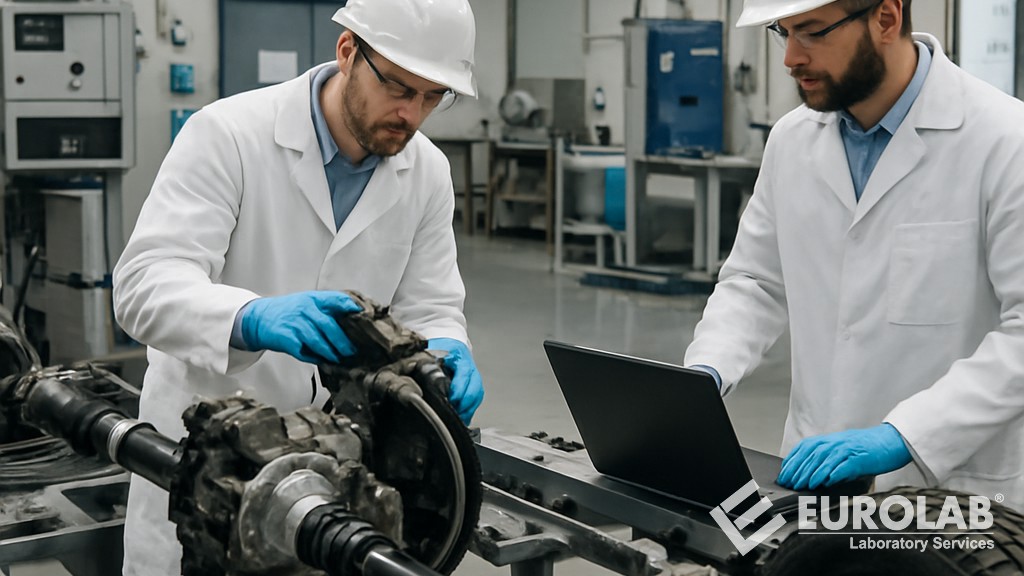
PSA B20 3001 Powertrain and Chassis - Organic Material Parts for Mechanical Components - Special Requirements

These material requirements for the parts complement the requirements for the samples defined in the PSA B62 0300 standard.

In the automotive industry, organic materials refer to carbon-based polymers, bioplastics, natural fiber-reinforced composites, and bio-based resins, often derived from renewable resources such as plants (e.g., flax, hemp, jute, kenaf, sisal, or biopolyamides). These are increasingly used in mechanical components for weight reduction, sustainability, and minimizing environmental impact, particularly in electric vehicles where weight reduction increases range.

Unlike traditional metals (steel, aluminum) or synthetic carbon fiber, these materials offer lower density, renewability, and biodegradability, but may have limitations in high-stress or high-temperature applications.

The main advantages of organic materials are as follows:

  • Lightweight: Compared to metals, it reduces vehicle mass by 20-50%, increasing fuel efficiency and electric vehicle range.
  • Sustainability: Lower carbon footprint (biological resources), recyclable or biodegradable options.
  • Cost and processing: It is generally less expensive than carbon fiber and suitable for injection molding or compression molding.
  • Vibration damping: Natural fibers provide good acoustic and thermal insulation.

However, my organic materials present some challenges:

Lower thermal resistance and mechanical strength compared to synthetics (e.g., carbon fiber).

  • Moisture absorption and deterioration in harsh environments.
  • Limited use in structural parts that carry high loads without reinforcement.

The powertrain includes the engine/transmission (internal combustion engine) or engine/inverter (electric vehicle), drive shafts, and differentials. The chassis includes the suspension, frames, and connecting elements.

From a sustainability perspective, natural fibers are attracting increasing attention, with carbon fiber dominating high-performance vehicle chassis.

The automotive industry is turning to these materials due to emission and recycling regulations. Future trends include entirely bio-based materials for structural components of electric vehicles. In certain vehicles, natural fibers are used in approximately 50 components.

The primary goal of the PSA B20 3001 standard is to ensure that materials used in vehicle parts (from metals and plastics to chemical coatings) meet stringent safety, environmental, and regulatory requirements. This standard has three main functions:

  • Regulatory compliance: Ensures all components comply with international legal regulations such as the Registration, Evaluation, Authorization and Restriction of Chemicals (REACH) and the Restriction of Hazardous Substances (RoHS).
  • Substance restriction: This standard defines a list of prohibited and declarable substances. This means suppliers must disclose whether their parts contain certain chemicals (such as lead, mercury, or certain phthalates) above a certain threshold.
  • Material characterization: This standard provides a structured way for suppliers to report the chemical composition of their parts through systems such as the International Materials Data System (IMDS).

For Stellantis suppliers, compliance with the PSA B20 3001 standard is generally mandatory in the production part approval process. The basic requirements are as follows:

  • Data submission: To provide a complete list of materials in the international material data system.
  • Homogeneous material analysis: To prove that no layer of a component exceeds the permitted limits for hazardous substances.
  • Certification: Third-party laboratories are typically used to test parts against the specific requirements of this standard.

For the end consumer, this standard provides the following:

  • Indoor plastics should not emit harmful volatile organic compounds (VOCs).
  • The vehicle should be highly recyclable at the end of its lifespan.
  • Avoiding the use of toxic heavy metals in paint or electronic components.

The importance of the PSA B20 3001 standard stems from Stellantis' role in safeguarding environmental and chemical safety within its supply chain. This is a critical requirement for legal, ethical, and operational reasons. The main reasons why this standard is considered important are as follows:

  • Legal compliance and risk reduction: The automotive industry is one of the most tightly regulated sectors in the world. This standard ensures that every part in a vehicle complies with international legal regulations.
  • REACH: European Regulation on the Registration and Restriction of Chemicals.
  • The ELV directive (end-of-life vehicles) requires that automobiles be designed to be easily recyclable and free of heavy metals such as lead, mercury, and cadmium.
  • RoHS: Restricts hazardous substances in electrical and electronic equipment.
  • Protection of passenger and worker health: This standard limits substances that could be harmful to people at different stages of the vehicle's lifespan.
  • Interior air quality: Limits volatile organic compounds and phthalates, which can release gases into the cabin and are often responsible for the new car smell, but can be harmful if levels are too high.
  • Skin contact: Limits allergens or irritants on materials frequently touched by passengers, such as seat fabrics, steering wheels, and gear levers.
  • Production safety: Protects factory workers by ensuring the raw materials they use do not contain hidden toxins.
  • Circular economy and recyclability: Stellantis aims for high recyclability in its vehicles. This standard requires suppliers to provide a complete chemical formula for their parts via the International Materials Data System (IMDS).
  • Traceability: By knowing exactly what's inside a part, recyclers can safely process it at the end of the vehicle's life.
  • Sustainability: Encourages the use of green or recycled materials by establishing clear rules on what can and cannot be mixed into the material flow.

For many years, our organization, with its competent and experienced staff, has been understanding the needs of its customers, providing the advanced testing services they require, and assisting them in the establishment, implementation, and improvement of management systems. Within this framework, we also provide testing services to businesses in accordance with the “PSA B20 3001 Powertrain and chassis - Organic material parts for mechanical components - Special requirements” standard.

WhatsApp

