

Ford FLTM BO 061-01 Determination of Adhesiveness of Interior Materials

Ford FLTM BO 061-01 Determination of Adhesiveness of Interior Materials

The “Ford FLTM BO 061-01 Determination of Adhesion of Interior Materials” standard, developed by Ford Motor Company (Ford), describes a test method used to evaluate the adhesion of automotive interior materials such as plastics, foams, coatings, and upholstery surfaces under specific conditions. This method focuses on the durability and performance of interior components exposed to heat, humidity, and real-world vehicle aging.
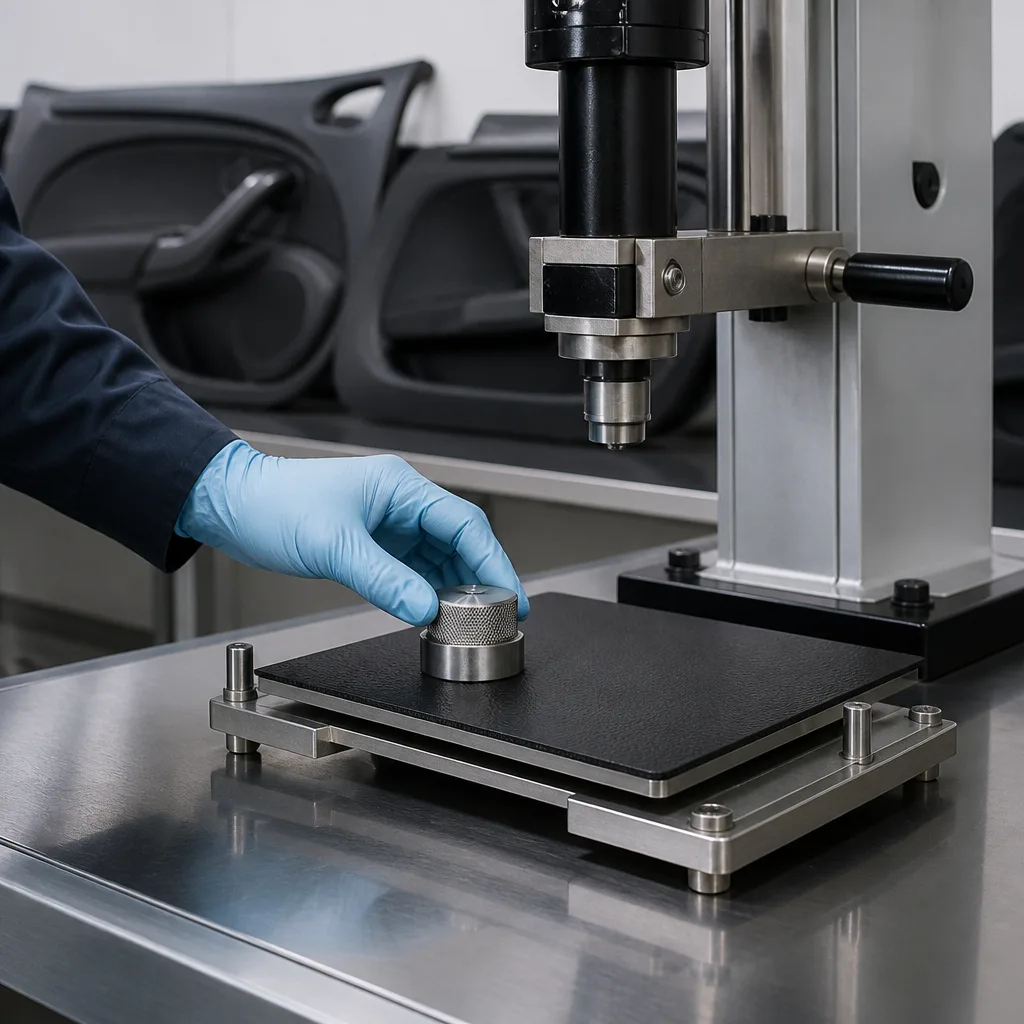
Ford FLTM BO 061-01 Determination of Adhesiveness of Interior Materials

The primary purpose of this standard is to determine whether interior materials possess the following characteristics:

  • Becoming sticky or tacky under heat and humidity
  • It is unpleasant to touch for those inside the vehicle.
  • Susceptibility to surface deterioration over time.

This is especially important for high-contact areas such as:

  • instrument panels
  • Door trims
  • Armrests
  • Consoles and soft-touch surfaces

The described test method ensures that materials maintain a dry, non-sticky surface feel throughout the vehicle's lifespan. This method focuses on the following aspects of the standard:

  • Surface adhesion level after environmental exposure.
  • Material stability under heat aging.
  • Surface quality consistency between production batches.
  • User tactile comfort and perceived quality.

In Ford engineering specifications, adhesion is typically rated using a defined acceptance scale (usually a minimum performance rating requirement in material specifications).

The test generally follows these steps.

  • Conditioning of sample material
  • Exposure to controlled temperature and humidity.
  • Sometimes combined with cycles of aging or exposure to weather conditions.
  • Surface assessment
  • Physical touch assessment or standardized probe contact.
  • Comparison with reference materials or rating scales.
  • Result classification
  • Pass/Fail or Rated Adhesion Level
  • Determining suitability for automotive interior use.

The Ford FLTM BO 061-01 standard is part of a broader family of interior durability tests, including those listed below:

  • Ford FLTM BO 116-01: Interior weather resistance
  • Ford FLTM BO 162-01: Scratch and abrasion resistance.
  • Ford FLTM BO 101-01: Artificial weather resistance

Together, these standards ensure that interior materials maintain their appearance, mechanical integrity, and tactile comfort.

The Ford FLTM BO 061-01 standard is considered important because it helps ensure that automotive interior materials maintain a pleasant, non-sticky surface throughout the life of the vehicle. Interior components are constantly exposed to heat, sunlight, humidity, and aging. All of these can cause some materials to become sticky over time. The main reasons why this standard is necessary are as follows:

  • It maintains customer satisfaction: Vehicle passengers frequently touch the following components:
    • instrument panels
    • Door panels
    • Center consoles
    • Armrests
    • steering wheel cover

If these surfaces become sticky, customers will perceive the vehicle as old, worn, or of poor quality. This standard helps prevent this problem.

  • Verifies material durability: Many polymers, coatings, and soft-touch materials can undergo chemical changes during aging. This test helps determine:
    • Whether plasticizers migrate to the surface
    • Whether the coatings have become excessively soft.
    • Whether surface coatings deteriorate as a result of exposure to heat.

This ensures the long-term durability of interior materials.

  • Material selection and development: This testing method helps engineers select or formulate the following:
    • Plastics with stable plasticizer content
    • Heat transfer resistant coatings
    • Surface treatments that prevent sticking.
  • Supplier quality control is ensured: Automotive original equipment manufacturers like Ford require consistent material treatment among suppliers to ensure the following:
    • A uniform cabin feel across vehicle models.
    • Reduced warranty claims
    • Consistent production quality.
  • Supports vehicle quality standards: Ford uses this standard as part of its materials qualification process to ensure suppliers deliver materials that meet consistent quality requirements. This helps to:
    • Reducing production variation
    • Increasing product reliability
    • Maintaining brand quality expectations.
  • Reduces warranty and service costs: Adhesive inner surfaces often lead to customer complaints and costly replacement of internal parts. By identifying unsuitable materials before production, the standard helps to:
    • To reduce warranty claims.
    • To reduce repair costs.
    • Improving long-term vehicle performance
  • Ensures performance in extreme environments: Vehicles can be exposed to interior temperatures exceeding 80 degrees when parked in direct sunlight. This standard evaluates whether materials can withstand such conditions without developing an undesirable sticky feel.
  • It helps with material development: Material suppliers use this testing method to identify improvements in the following areas during product development:
    • Polymer formulations
    • Surface coatings
    • Soft-touch surfaces
    • Heat-resistant materials

This encourages innovation while maintaining performance requirements.

In short, this Ford FLTM BO 061-01 standard is important because it ensures that interior materials remain comfortable, durable, visually appealing, and non-stick throughout a vehicle's lifespan.

In conclusion, the Ford FLTM BO 061-01 standard defines a critical interior material quality test that ensures surface protection. It remains non-stick, comfortable, and stable throughout the vehicle's lifespan. This standard plays a significant role in maintaining perceived quality, durability, and supplier consistency in automotive interior design.

For many years, our organization, with its competent and experienced staff, has been understanding the needs of its customers, providing the advanced testing services they require, and assisting them in the establishment, implementation, and improvement of management systems. Within this framework, we also provide testing services to businesses in accordance with the Ford FLTM BO 061-01 standard.

WhatsApp

