

Developed by BMW, a multinational vehicle manufacturer, the “BMW PR 220 Impact Resistance Determination” standard is an internal technical standard designed to evaluate the impact resistance of materials used in vehicle exterior components, particularly plastic exterior trim parts (such as bumpers, fenders, door panels, or other body panels made of thermoplastic or composite materials).
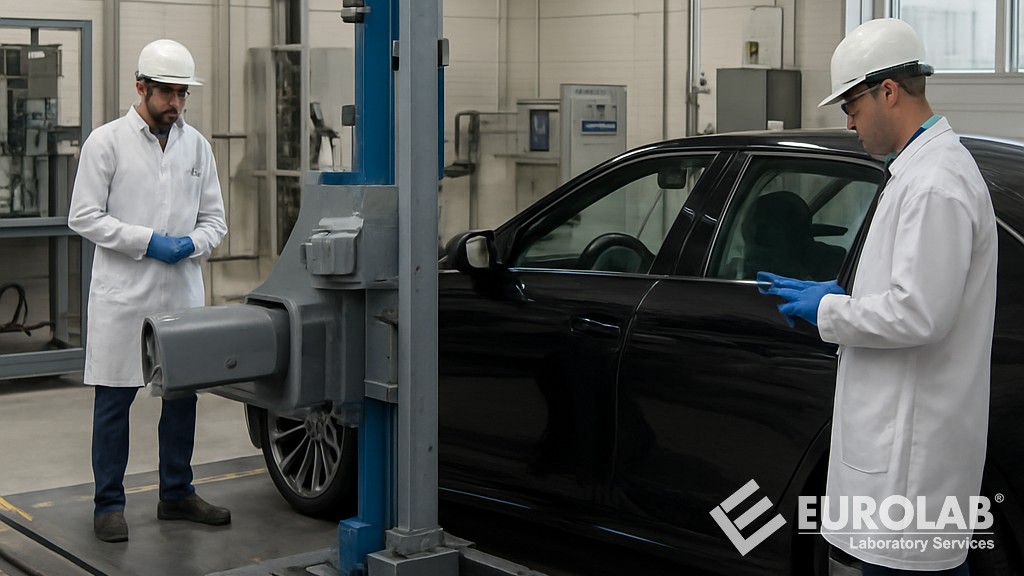
In the automotive industry, impact resistance is a critical quality characteristic for exterior surfaces. It measures how well a material withstands low-velocity impacts or localized forces (e.g., from shopping carts, door slams, hail, or minor collisions) without permanent deformation, visible impact marks, or surface damage. This is particularly important for non-metallic (plastic) components, which are increasingly used in modern vehicles to reduce weight, improve fuel efficiency, and enable sophisticated designs.
The BMW PR 220 standard focuses specifically on determining the impact resistance of plastic exterior trim parts. This standard incorporates standardized test methods to ensure these components meet BMW's durability and aesthetic requirements in real-world conditions. It helps suppliers and in-house teams verify that the materials and painted surfaces maintain their appearance and structural integrity.
The procedure typically involves applying a controlled force or impact to a test specimen (e.g., a flat or curved panel specimen) using a defined indentation or drop weight mechanism. Measurements include:
Unlike metal sheets (where indentation resistance is generally related to yield strength and thickness), plastics behave differently due to their viscoelastic properties. The test takes into account factors such as temperature dependence, material thickness, rib/structure, and paint systems.
Test laboratories accredited to BMW standards typically perform the BMW PR 220 standard test as part of supplier qualification or quality assurance for BMW parts.
This standard is considered important for determining crush resistance. Crushing resistance contributes to:
In high-end vehicles like BMW, crush resistance is a critical performance requirement for plastic exterior body parts (such as bumpers, fenders, door panels, side skirts, or other visible exterior body components made of thermoplastics, composites, or reinforced plastics). Determining this resistance is important for the following reasons:
Unlike metals (thinner dimensions to reduce weight decrease crush resistance), plastics allow for complex shapes and weight savings, but only if they are designed for sufficient crush resistance. Poor performance leads to frequent complaints and warranty claims.
In conclusion, excellent dent resistance for plastic exterior trim components isn't just about avoiding dents; it's about delivering a premium-looking vehicle with minimal visible wear and tear in everyday life. This directly translates to happier customers, lower costs of ownership, higher resale values, and fewer warranty and quality issues for manufacturers like BMW.
For many years, our organization, with its competent and experienced staff, has been understanding the needs of its customers, providing the advanced testing services they require, and assisting in the establishment, implementation, and improvement of management systems. Within this framework, we also provide testing services to businesses in accordance with the "BMW PR 220 Impact Resistance Determination" standard.
To get an appointment, to get more detailed information or to request an evaluation, you can ask us to fill in our form and reach you.

