SAE J198 Windshield Wiper Systems - Trucks, Buses and Multi-Purpose Vehicles
In the standard “SAE J198 Windshield wiper systems - Trucks, buses, and multi-purpose vehicles,” developed by the American Society of Automotive Engineers (SAE), the recommended practice specifies test methods and performance requirements for windshield wiper systems on trucks, buses, and multi-purpose passenger vehicles with a gross vehicle weight rating (GVWR) of 4500 kg or more, and light-duty vehicles with a GVWR of less than 4500 kg.
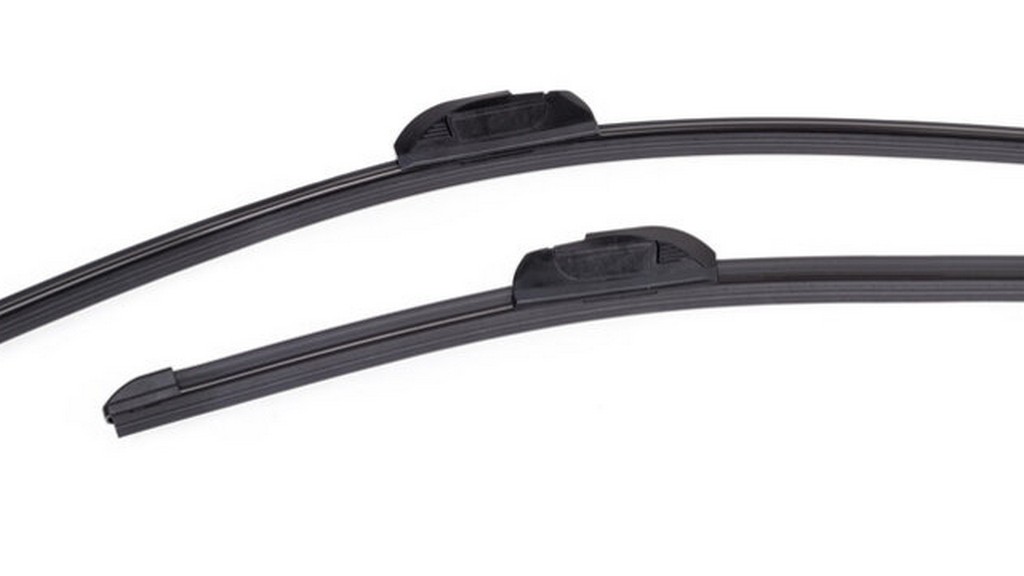
The test procedures and minimum performance requirements described in this standard are based on available engineering data. It is intended that all sections of this standard be periodically reviewed and revised as additional data on windshield wiper system performance are developed.
This standard ensures that windshield wiper systems meet critical performance criteria to enhance the safety of commercial and multi-purpose vehicle drivers by maintaining visibility in adverse conditions.
The primary purpose of the SAE J198 standard is to provide standard test methods and performance criteria for windshield wiper systems. These systems are essential for maintaining driver visibility in various weather conditions, such as rain, snow, and ice. This standard includes:
- Minimum performance requirements: Specifications for wiper system durability, coverage, and operational efficiency.
- Uniform testing procedures: Methods that can be performed using commercially available laboratory equipment to provide consistent and reproducible results.
- Terminology: Standard definitions for windshield wiper system characteristics and phenomena consistent with engineering layout studies.
- Design guidelines: Recommendations for placement and maintenance of wiper system components to optimize functionality and maintenance.
This standard is periodically reviewed and revised to incorporate advances in engineering data and vehicle design, ensuring its relevance to modern automotive technologies.
In the latest update to this standard, the SAE eyelipse method (a method for determining driver eye positions) was replaced with a simpler approach for capturing target field-of-view structure planes. This change reduced complexity while maintaining accuracy. It also addresses shortcomings in wiper coverage for single-occupancy or centrally positioned driver cabins, increasing its applicability to a variety of vehicle designs.
The key components of the standard are:
- Performance requirements. The SAE J198 standard specifies minimum performance standards for windshield wiper systems. These include:
- Wiper coverage: The system must keep the windshield sufficiently clear to provide unobstructed visibility for the driver. The latest update includes improvements for non-traditional cab configurations, such as single-occupancy or centered-driver cabs.
- Durability: Wiper systems must withstand long-term use, and durability requirements are now based on the expected mileage of the intended use, not the vehicle's gross vehicle weight (GVW). This change allows systems on high-mileage vehicles, such as long-haul trucks, to meet higher durability standards.
- Operating efficiency: The system must operate effectively in a variety of environmental conditions, such as extreme temperatures and precipitation.
- Test procedures: This standard contains standard test procedures that can be performed using commercially available laboratory equipment. These tests evaluate:
- Wiper blade performance: Resistance to wear and tear evaluated using methods such as the ASTM D1171 standard for rubber degradation in outdoor weather conditions.
- System functionality: Tests wiper arm-to-wiper blade linkages and system operation under simulated adverse conditions.
- Consistency: Procedures increase reliability by providing repeatable results across different testing facilities.
- Design and component guidelines: This standard provides recommendations for the design and layout of wiper system components to optimize functionality and maintainability. This includes guidance on:
- Component placement: Positioning wiper motors, arms and blades to maximize coverage and accessibility.
- Service: Reducing downtime for commercial vehicles by ensuring components are designed for easy replacement and maintenance.
- Reference standards: This standard contains references to some related standards:
- The standard “ASTM D1171 Standard test method for rubber degradation – Outdoor surface ozone cracking (triangular samples)” is for testing rubber degradation on wiper blades.
- The standard “SAE J680 Location and operation of air brake controls in motor truck cabs” is intended to ensure compatibility with wiper system controls for the location and operation of air brake controls in truck cabs.
- The standard “SAE J941 Eye positions of motor vehicle drivers” specifies wiper coverage area requirements for determining driver eye positions.
- The standard “ISO 9259 Passenger cars - Windscreen wiper systems - Wiper arm-to-blade linkages” is intended to ensure compliance with international standards for wiper arm-to-wiper blade linkages.
The SAE J198 standard applies to a wide range of vehicles, including:
- Heavy-duty vehicles: Trucks and buses with a GVW of 4.500 kg or more (e.g., long-haul trucks, school buses, and fire trucks).
- Light-duty vehicles: Vehicles with a GVW of less than 4.500 kg, commonly used in commercial and industrial applications.
- Multi-purpose passenger vehicles: Vehicles designed for a variety of functions that require powerful wiper systems to ensure safety in various operating conditions.
The SAE J198 standard plays a critical role in the automotive industry by:
- Improving safety: Ensuring that windshield wiper systems provide adequate visibility in adverse weather conditions and reduce the risk of accidents.
- Promoting consistency: Ensuring reliable and comparable results by standardizing testing and performance criteria across manufacturers.
- Adapt to innovations: Regular updates incorporate new engineering data and adapt to evolving vehicle designs, such as non-traditional cabin configurations.
Consequently, the SAE J198 standard is a cornerstone of automotive engineering, ensuring that wiper systems for trucks, buses, and multi-purpose vehicles meet stringent performance and safety requirements. With comprehensive testing procedures, performance criteria, and design guidelines, the standard supports the development of reliable wiper systems that enhance driver safety and vehicle operability.
Our organization, which has been operating for many years and meticulously follows global developments in science and technology, employs a team of experienced professionals and a broad infrastructure to conduct testing, measurement, and analysis in a wide range of areas for businesses across all sectors. In this context, we also provide testing services in accordance with the "SAE J198 Windshield Wiper Systems - Trucks, Buses, and Multi-Purpose Vehicles" standard.



