

The standard "Mercedes-Benz DBL 1302 Interior trim materials - Plastic surface coatings" developed by the Mercedes-Benz Group describes a test method and quality assessment criteria specifically for the coating of interior plastic components in the automotive industry. This standard specifies the specifications for the coating processes of interior plastic components of the Mercedes-Benz Group. This standard replaces the previously valid standard "DBL 7384 Coatings of plastic parts in vehicle interiors".
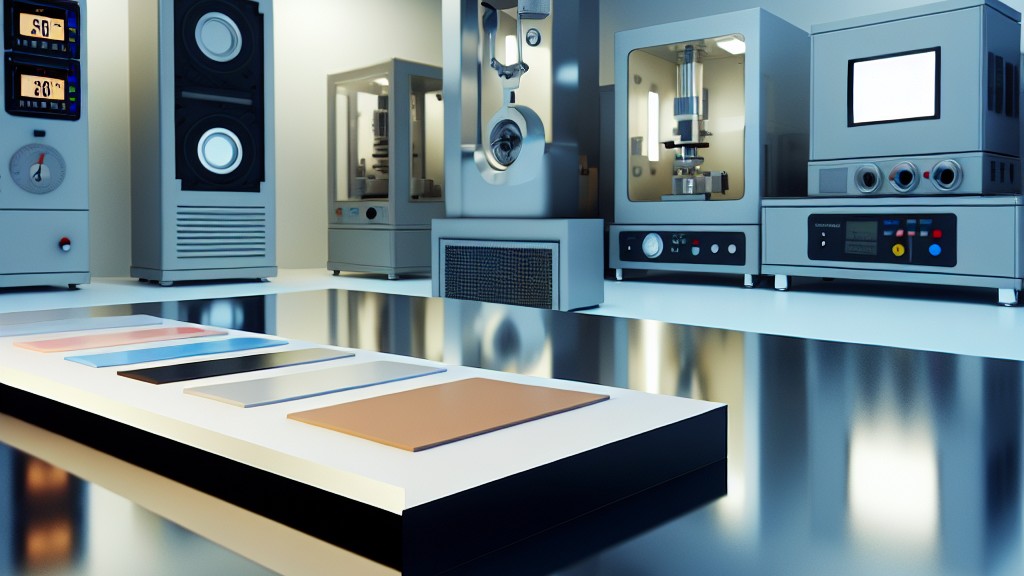
The DBL 1302 standard is used to ensure quality control of the coating processes of plastic components and contains requirements that ensure the durability and aesthetics of interior components in the automotive industry.
The test method described in this standard applies to a variety of plastic coatings, including paints, prints, and physical vapor deposition processes used on interior plastic parts. Test methods include: test procedures for coating thickness, adhesion, scratch resistance, abrasion, environmental resistance (such as cleaning agents and perspiration), emission levels (VOC/FOG), odor, and aging resistance.
This standard ensures that coatings applied to interior plastic parts meet Mercedes-Benz’s stringent quality standards for durability, safety, and environmental compatibility. It is part of a comprehensive set of specifications that Mercedes-Benz uses to maintain high-quality interior materials in its vehicles.
The Mercedes-Benz DBL 1302 standard focuses on the coating of plastic parts used in vehicle interiors. Its primary purpose is to ensure consistent quality, durability and appearance of coated plastic components inside the vehicle. The main focus areas of this standard are:
In short, the DBL 1302 standard is about ensuring that interior plastic parts not only look good, but also perform well over time under a variety of environmental and usage conditions in accordance with the premium standards of the Mercedes-Benz Group.
Plastic surface coatings consist of multiple functional and aesthetic layers applied to plastic components to increase durability, appearance and resistance to environmental and mechanical stresses, particularly in the context of automotive standards such as the Mercedes-Benz DBL 1302 standard.
The main components of plastic surface coatings are:
Additional features often included in coatings include:
In general, application techniques include:
In summary, plastic surface covers are high-performance, visually appealing parts that combine raw plastic with stringent automotive interior requirements such as those specified in the DBL 1302 standard.
Our organization, which has been trying to support businesses from every sector with its testing, measurement, analysis and evaluation studies carried out in a wide range for years, has a strong staff that closely follows the developments in the world in the field of science and technology and constantly improves itself. In this context, testing services in accordance with the "Mercedes-Benz DBL 1302 Interior upholstery materials - Plastic surface coatings" standard are also provided to businesses.
To get an appointment, to get more detailed information or to request an evaluation, you can ask us to fill in our form and reach you.

