

Fiat 7-M0003 Evaluation of the Embossing Process on Plastic Materials

Fiat 7-M0003 Evaluation of the Embossing Process on Plastic Materials

Developed by Fiat Chrysler Automobiles (FCA) (now Stellantis), an Italian-American automotive company, the “Fiat 7-M0003 Evaluation of the Embossing Process of Plastic Materials” standard is an automotive material and surface testing specification related to the evaluation of surface roughness on vehicle components. This standard is primarily used in the automotive industry to verify that plastic, coated, painted, or textured surfaces meet defined tactile and visual quality requirements. Independent testing laboratories identify this standard as a surface roughness testing method specifically for automotive applications.
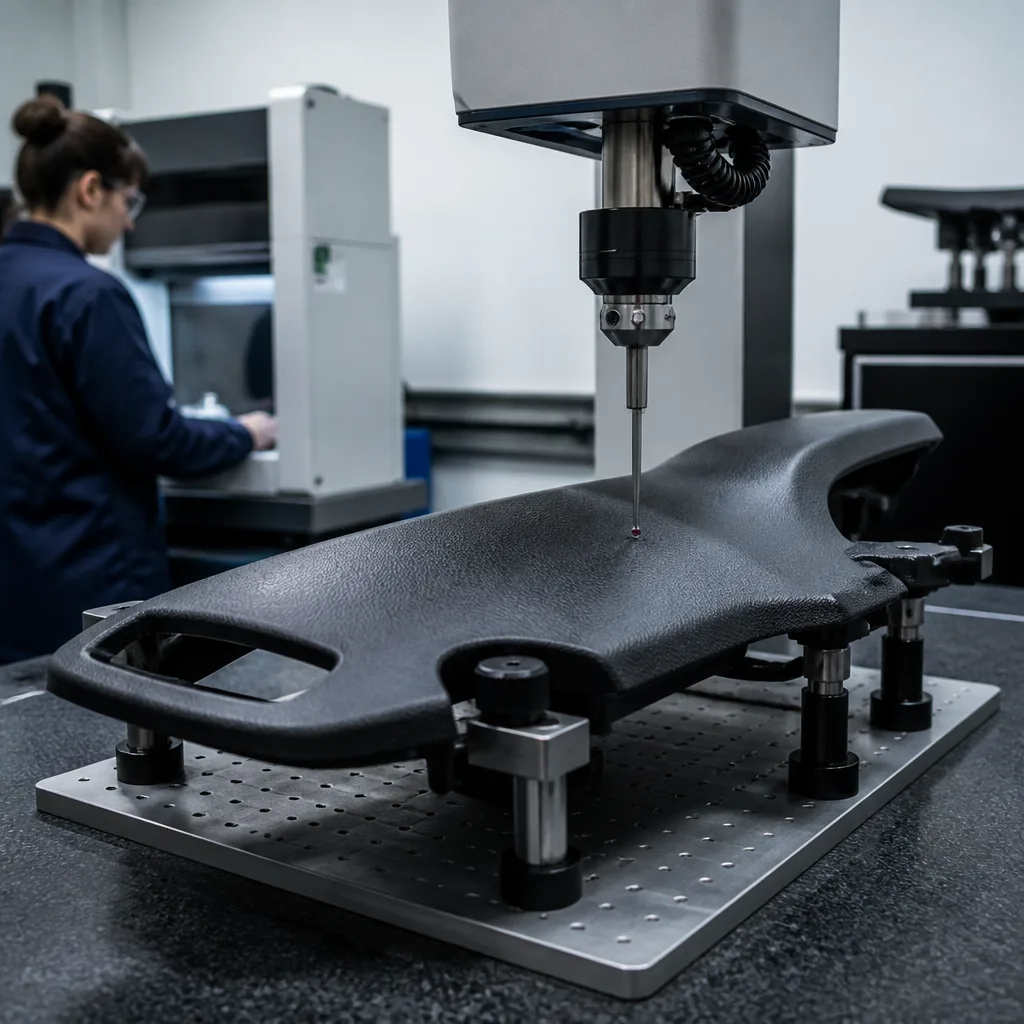
Fiat 7-M0003 Evaluation of the Embossing Process on Plastic Materials

The Fiat 7-M0003 standard was developed to ensure consistency in the appearance and feel of vehicle interior and exterior surfaces. Automotive manufacturers use roughness specifications because even very small variations in texture can affect:

  • Perceived product quality
  • Brightness and reflection behavior
  • Paint adhesion performance
  • Wear resistance
  • Cleaning properties
  • Customer tactile perception

In modern vehicles, instrument panel trims, door panels, consoles, pillar trims, and coated plastic parts must all maintain a controlled surface texture. The Fiat 7-M0003 standard helps suppliers produce components with repeatable surface quality.

Surface roughness describes the microscopic peaks and depressions found on the surface of a material. Common roughness parameters include:

  • Ra: Average roughness
  • Rz: Average peak-valley height
  • Rt: Total roughness depth

These values ​​are normally measured in micrometers (µm). The formula for average roughness is given in the standard.

This test procedure essentially follows these steps:

  • Sample preparation: Parts are cleaned and conditioned at controlled temperature and humidity.
  • Measuring device: A profilometer or optical roughness measuring device scans the surface.
  • Measurement direction: Since molded tissues can be directional, measurements can be taken in more than one direction.
  • Assessment: Recorded roughness values ​​are compared with Fiat-approved limits.
  • Visual inspection: Texture homogeneity, waviness, gloss consistency, and molding defects are checked.

The Fiat 7-M0003 standard generally applies to the following materials:

  • Injection molded plastics
  • Dyed polymers
  • Vinyl coatings
  • Decorative trim films
  • Coated metal parts
  • Interior soft-touch surfaces
  • Granular instrument panel materials

Common measuring instruments used for these and similar standards include:

  • Contact probe profilometers
  • Laser scanning profilometers
  • Optical interferometers
  • 3D surface mapping systems

These systems generate numerical roughness data and surface profiles for engineering analysis.

The Fiat 7-M0003 standard is often used in conjunction with broader international surface and material standards. For example, ISO surface texture standards, ASTM international roughness testing methods, and other original equipment manufacturer (OEM) texture specifications. Many automotive manufacturers maintain their own specific roughness acceptance criteria even when using internationally accepted measurement methods.

In short, the Fiat 7-M0003 standard is important because it sets controlled requirements for surface roughness and texture quality of automotive materials and components. In vehicle manufacturing, surface quality is not merely cosmetic; it directly affects durability, functionality, and customer perception. The main reasons why this standard is considered important are as follows:

  • It ensures consistent visual quality: Modern vehicles include many visible textured surfaces, including: instrument panels, door panels, consoles, pillar trims, and painted plastic components. If surface roughness varies between parts, customers may notice the following:
    • Uneven brightness
    • Different texture appearance
    • Visible pattern marks
    • Poor paint quality.
    • Inconsistent vein patterns

This standard helps suppliers ensure a uniform appearance across all components produced.

  • Improves tactile perception: Vehicle occupants constantly touch interior surfaces. The feel of a surface greatly influences perceived quality. A controlled roughness specification helps to provide: a pleasant tactile feel, superior interior feel, consistent friction behavior, and a reduction in the perception of cheap plastic. Automotive manufacturers rely heavily on tactile quality to support their brand image.
  • It supports coating and paint performance: Surface roughness directly affects how coatings and paints adhere to materials. If the surface is too smooth, coating adhesion may be poor; if it is too rough, paint distribution may be uneven. Proper roughness control improves paint adhesion, coating durability, scratch resistance, and decorative film adhesion. This reduces the risk of peeling, cracking, or cosmetic deterioration over time.
  • It prevents manufacturing defects: Surface texture measurement helps identify the following manufacturing problems:
    • Mold wear
    • Improper tool usage
    • Injection molding defects
    • Surface undulation
    • Excessive polishing
    • Team contamination

This standard helps manufacturers reduce scrap and warranty claims by identifying these problems early.

  • Ensures consistency among suppliers: Automotive manufacturing involves many suppliers producing the same type of component. Without a common roughness standard, parts from different factories may look different, interior trim parts may not match, or assembly quality may appear inconsistent. This standard provides measurable criteria for all suppliers to produce comparable surface quality.
  • It affects optical performance: Surface roughness influences how light reflects off a component. Controlled texture helps reduce issues such as excessive glare, reflection spots, uneven gloss, and the visibility of scratches and fingerprints. This is especially important for instrument panels, touch surfaces, decorative trims, and gloss-sensitive interiors.
  • It contributes to long-term durability: A suitable surface texture can improve: abrasion resistance, scratch resistance, cleaning behavior, and wear resistance. A poorly controlled surface may show premature aging or visible wear after repeated use. This standard translates subjective appearance requirements into measurable technical values.

Without controlled surface roughness standards, inconsistent textures, visible defects, or premature wear can occur on vehicle interior and exterior trim.

In summary, the Fiat 7-M0003 standard is a specific automotive surface roughness specification used to evaluate the texture quality of vehicle materials and components. By defining measurable roughness requirements and inspection procedures, this standard supports consistent build quality, visual appearance, and long-term durability in standard automotive production.

For many years, our organization, with its competent and experienced staff, has been understanding the needs of its customers, providing the advanced testing services they require, and assisting them in the establishment, implementation, and improvement of management systems. Within this framework, we also provide testing services in accordance with the Fiat 7-M0003 standard.

WhatsApp

