

The “Toyota TSK6505G Automotive Body Sealing Foam-Based Sealants” standard, developed by Toyota, is an engineering standard that specifies the requirements, test methods, and quality criteria for foam-based sealants used in vehicle body assembly. These sealants are designed to prevent the ingress of water, dust, air, and noise through welded joints and body panel interfaces, and to maintain durability throughout the vehicle's lifespan.
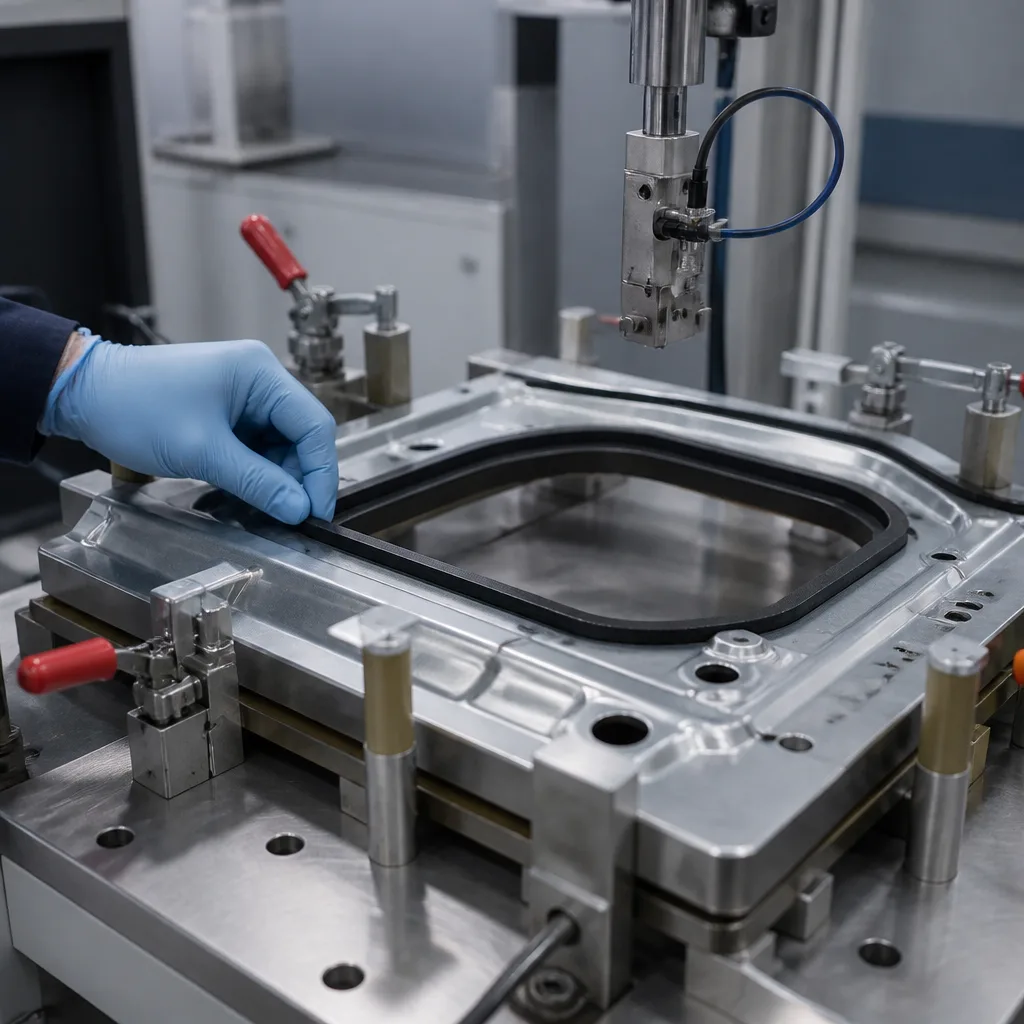
This standard is primarily designed for automotive sealant suppliers and manufacturers producing sponge sealants for Toyota vehicles.
In vehicle production, numerous body panels are joined together by welding or mechanical connections. Inevitably, small gaps remain between these components. If these gaps are not properly sealed, they can lead to the following:
The Toyota TSK6505G standard specifies uniform performance requirements to ensure that sponge sealants provide consistently effective sealing under a wide variety of environmental and mechanical conditions.
This standard applies to foam filler sealants used in automotive body construction and is used for the following applications:
These sealants expand or compress to fill assembly gaps while maintaining their flexibility for the life of the vehicle.
Toyota categorizes its sealants into various categories based on their composition and intended use. Typical classifications include:
Different classes are designed for different mounting clearances, compression levels, and substrate compatibility. This standard also defines tape-backed versions and variants designed for specific automotive body locations.
Toyota requires each sealant to meet several key quality characteristics before performance testing:
These requirements enhance worker safety during vehicle assembly.
The Toyota TSK6505G standard also evaluates various key physical characteristics. The mechanical performance requirements are as follows:
A large part of the Toyota TSK6505G standard evaluates adhesion performance.
The test is typically performed using a 180-degree peel configuration.
The tests are conducted as follows:
This ensures consistent adhesion under realistic production and service conditions.
Automotive sealants must withstand harsh environmental conditions. Therefore, Toyota specifies various environmental resistance tests:
One of the most important aspects of the TSK6505G standard is leak performance. Special devices compress the sealant between metal plates while water is introduced under controlled conditions. Toyota evaluates the following:
The sealing material must prevent water ingress for the specified period.
Vehicle assembly and servicing expose sealants to numerous chemicals. Therefore, Toyota conducts chemical resistance testing using the following substances:
These tests ensure that the material does not lose its sealing performance after chemical exposure.
Toyota TSK6505G compliant sealing materials are commonly used in the following applications:
These areas require a flexible seal for the entire lifespan of the vehicle.
Although developed for Toyota, similar sealing properties are widely used by:
In addition, various commercial sealing products have also been tested and approved according to the Toyota TSK6505G standard performance requirements.
Compliance with the Toyota TSK6505G standard provides the following advantages:
The Toyota TSK6505G standard complements other automotive material specifications that address the following issues:
Together, these standards help ensure long-term vehicle reliability and customer satisfaction.
For many years, our organization, with its competent and experienced staff, has been understanding the needs of its customers, providing the advanced testing services they require, and assisting them in the establishment, implementation, and improvement of management systems. Within this framework, we also provide testing services compliant with the Toyota TSK6505G standard.
To get an appointment, to get more detailed information or to request an evaluation, you can ask us to fill in our form and reach you.

