

The “BMW AA N 040 Determination of Mass per Unit Area, Effective Pile Thickness and Stitch Density” standard, developed by BMW, a multinational vehicle manufacturer, describes a procedure for determining the effective pile mass per unit area, effective pile thickness, and stitch density per unit area on the support surface of carpets and mats using a band saw cutting machine.
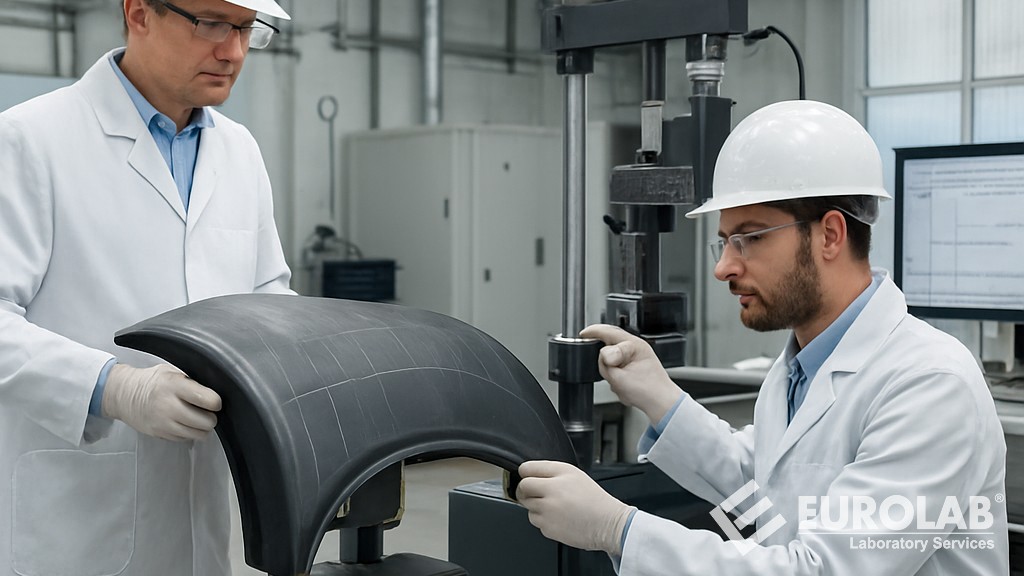
This standard is an internal test specification developed by BMW for automotive materials and components. It is part of BMW’s comprehensive “AA” series of standards, which focuses primarily on material testing, quality assurance, and performance requirements for interior and exterior vehicle parts.
This standard defines the following test methods for measuring the basic physical properties of textile materials:
These measurements ensure consistency and durability in the following types of materials:
These types of tests are critical to ensuring that the interior components meet BMW's high standards for wear resistance, dimensional stability, comfort, and long-term quality.
Accredited laboratories for automotive testing (for example) EUROLABBMW AG offers conformity testing to this standard as part of its component qualification processes. Suppliers of textile or interior parts must demonstrate conformity to the BMW AA N 040 standard during part approval.
In premium vehicles like BMW, interior textiles must withstand years of use, pedestrian traffic, cleaning, and environmental stress without excessive wear, pilling, or deterioration. This standard helps verify that materials meet precise dimensional and structural criteria before being integrated into production processes.
This standard is necessary because it directly supports BMW’s stringent requirements for quality, consistency, durability and superior feel for textile interior components such as floor carpets, trunk liners, footwell mats, seat fabrics and other pile or frilled materials.
The main reasons why this standard is considered important are as follows:
This test ensures the air mattress performs optimally in terms of long-term comfort, noise reduction (important in premium vehicles), and resistance to daily use/wear.
Without standardized controls like these, suppliers can cut corners on material specifications, leading to premature deterioration.
In conclusion, while the BMW AA N 040 standard may seem like a simple measurement standard, it is actually a fundamental quality control point. Especially in high-wear areas such as floor coverings, it prevents variability that could jeopardize the luxurious, durable, and consistent interior experience promised by BMW. This level of detail is typical for original equipment manufacturers to differentiate themselves from mass-produced brands.
For many years, our organization, with its competent and experienced staff, has been understanding the needs of its customers, providing the advanced testing services they require, and assisting them in the establishment, implementation, and improvement of management systems. Within this framework, we also provide testing services in accordance with the BMW AA N 040 standard.
To get an appointment, to get more detailed information or to request an evaluation, you can ask us to fill in our form and reach you.

