

Developed by BMW, a multinational vehicle manufacturer, the “BMW AA 0053 Resistance of interior painted parts to sunscreen” standard is an internal testing standard specifically focused on evaluating the durability of interior painted surfaces in vehicles.
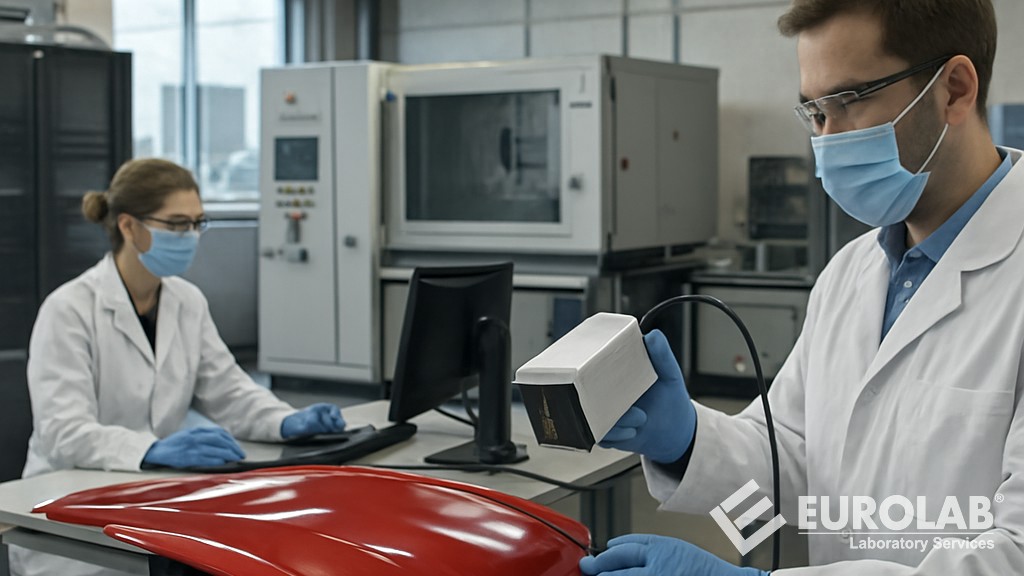
Modern car interiors feature extensive painted or coated surfaces on components such as instrument panels, door panels, center consoles, and trim pieces. Drivers and passengers frequently use sunscreen, especially in sunny climates or during summer driving, and this lotion can come into contact with these surfaces. Sunscreen contains chemicals (such as oils, UV filters, and emollients) that can degrade paint over time and cause problems such as:
To ensure long-term quality and customer satisfaction, BMW requires suppliers and materials to undergo rigorous testing, such as BMW AA 0053. This helps prevent complaints about interior deterioration from daily use.
The BMW AA 0053 standard test method typically follows these steps:
This testing method is part of a broader package of BMW material specifications (along with standards such as BMW AA 0054 for car wash resistance or BMW AA 0055 for general chemical resistance). Laboratories in Germany and worldwide offer certification services for compliance with the BMW AA 0053 standard.
The BMW AA 0053 standard, while a supplier standard rather than a consumer-facing specification, underscores BMW's commitment to material quality. Passing such tests enhances the superior feel and longevity of BMW interiors. Similar standards exist across the industry, but BMW's standards are tailored to its specific material choices and design philosophy.
Excessive or prolonged exposure can cause problems in any vehicle, but for material suppliers or engineers, the BMW AA 0053 standard remains a common requirement in automotive contracts.
The BMW AA 0053 standard arose primarily because sunscreens contain aggressive chemicals that can chemically damage and degrade painted interior surfaces in vehicles. This leads to unsightly appearances and premature damage. Modern automotive interiors rely heavily on painted plastics, soft-touch finishes, and upholstery for a superior look and feel, but these materials are susceptible to everyday substances like sunscreen.
This standard is considered important for BMW vehicles for the following reasons:
Because this is a common problem, not unique to BMW, similar tests exist across the industry.
In short, the BMW AA 0053 standard is a proactive quality control measure. By ensuring suppliers use durable paints and coatings, it prevents common real-world failures that could otherwise transform a luxurious interior into a sticky, discolored mess.
For many years, our organization, with its competent and experienced staff, has been understanding the needs of its customers, providing the advanced testing services they require, and assisting in the establishment, implementation, and improvement of management systems. Within this framework, we also provide testing services to businesses in accordance with the "BMW AA 0053 Resistance of interior painted parts to sunscreen" standard.
To get an appointment, to get more detailed information or to request an evaluation, you can ask us to fill in our form and reach you.

