

The European standard “EN 590 Automotive fuels - Diesel - Requirements and test methods” describes the requirements and test methods for automotive diesel fuel placed on the market and delivered. This standard applies to automotive diesel fuel designed for use in diesel engine vehicles designed to operate with automotive diesel fuel containing up to 7,0% by volume of fatty acid methyl ester (FAME).
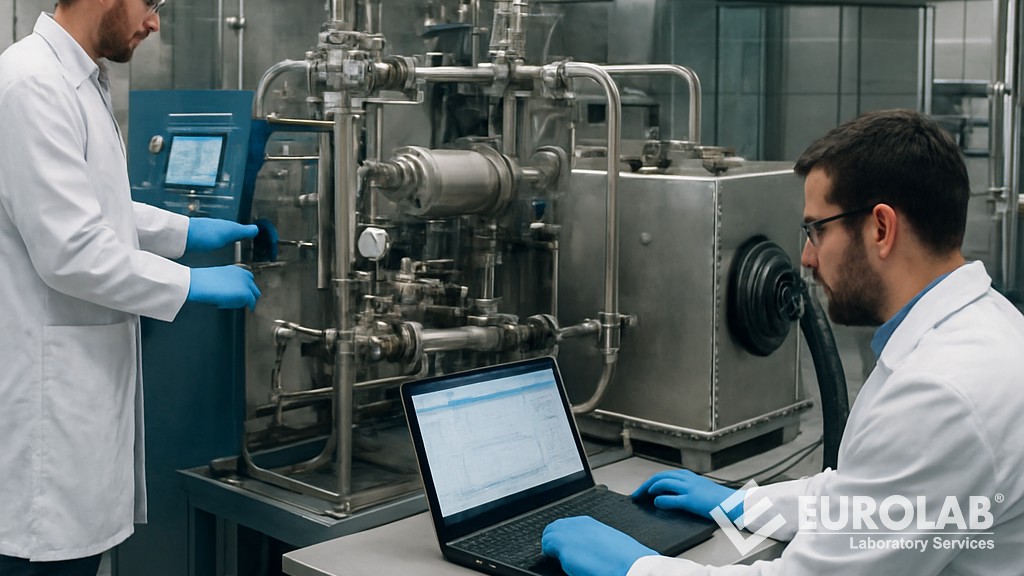
Samples should be taken as described in EN ISO 3170 or EN ISO 3171 standards, or in accordance with national standards or legal regulations regarding sampling of automotive diesel fuel. Given the sensitivity of some test methods specified in this standard, particular attention should be paid to compliance with any guidelines regarding sampling containers included in the test method standard.
The information and dimensions of the markings to be applied to dispensing pumps used in automotive diesel fuel dispensing must comply with the requirements of national standards or legal regulations regarding the marking of automotive diesel fuel pumps. It is recommended that the markings for sulfur be specified in the national annex to this standard. For sulfur content up to 10 mg/kg, the recommended designation is "sulfur-free" in the national language.
In the world of automotive fuels, standards play a crucial role in ensuring consistency, safety, and environmental compliance. The EN 590 standard is considered a fundamental specification for diesel fuel used in vehicles across Europe and beyond. This standard defines the precise physical and chemical properties that diesel must possess in order to be legally sold in European Union countries and many other European countries. Often referred to as ultra-low sulfur diesel, EN 590-compliant fuel aims to support modern diesel engines while minimizing harmful emissions.
The EN 590 standard remains the reference point for road diesel, with ongoing revisions to align it with evolving emissions regulations such as Euro 6 and Euro 7.
The development of the EN 590 standard was intertwined with Europe's efforts for cleaner air and stricter vehicle emissions. This standard has undergone numerous revisions to address growing environmental concerns, particularly regarding the role of sulfur in air pollution.
These changes have been driven by EU directives aimed at reducing nitrogen oxide, particulate matter and carbon dioxide emissions, making the EN 590 standard a vital partner for vehicle emission standards.
These classifications prevent wax crystallization, which can cause engines to stall in cold weather.
EN 590 is not just a European requirement, but has a global impact. Many countries outside the EU, including parts of Asia and Africa, are adopting similar specifications for imported diesel fuel to ensure compatibility with European-origin engines. For consumers, this standard offers a reliable fuel guarantee that improves fuel economy, reduces maintenance costs, and meets warranty conditions. Manufacturers, on the other hand, can perform precise engine tuning by taking advantage of standardized inputs.
Environmentally, the EN 590 standard has contributed to cleaner air and public health by reducing sulfur emissions by more than 99 percent since 1993. However, challenges remain: Biodiesel blending can increase oxidation risks, and ultra-low sulfur requires high-quality additives. Testing for contaminants such as water is vital, as inadequate storage can degrade even compatible fuel.
The EN 590 standard exemplifies how technical standards can drive progress in sustainability and innovation. By implementing rigorous quality controls, it protects engines, reduces pollution, and supports the transition to greener mobility. With the rise of electric vehicles, the use of this standard continues in hybrid and heavy-duty diesel applications as well. Compliance with the EN 590 standard is not optional for fuel buyers or suppliers.
For many years, our organization, with its competent and experienced staff, has been understanding the needs of its clients, providing the advanced testing services they require, and assisting in the establishment, implementation, and improvement of management systems. Within this framework, we also provide testing services in accordance with the "EN 590 Automotive fuels - Diesel - Requirements and test methods" standard.
To get an appointment, to get more detailed information or to request an evaluation, you can ask us to fill in our form and reach you.

