

The standard "BMW AA-0244 Paint compatibility test," developed by BMW, a multinational vehicle manufacturer headquartered in Germany, describes a procedure for testing substances for paint-degrading behavior. This procedure is a practical test for all paint-degrading substances and does not include a specific test for silicones.
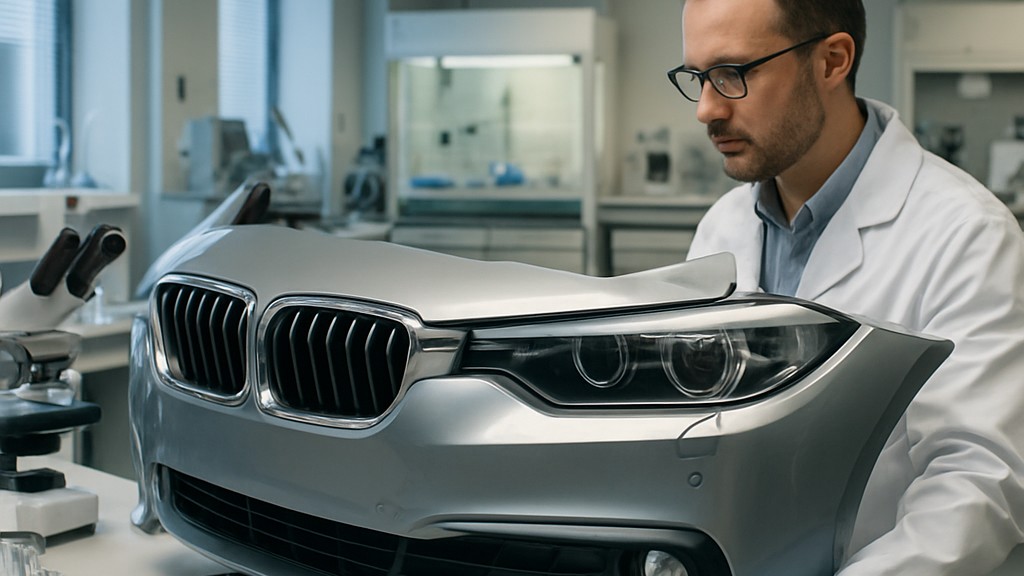
The relevant test method should be selected based on the application or intended use of the material to be tested. The environment in which the material is in contact during mass production must be taken into account. The appropriate paint material must be requested from the mass production process. Process parameters (coating thickness, curing temperature, and curing time) must be taken from the site-specific process specifications of the master paint shops. Furthermore, all application-related factors (e.g., temperature or pressure load) must be included in the test. The customer must submit samples for paint compatibility testing in the intended condition for later use, i.e., in their original packaging, or at least in a clean and general condition suitable for their intended use. The cleaning of contaminated samples is the customer's responsibility. The precise cleaning procedure must be reported to, or requested by, the Materials and Process Analysis Technology department. Application-specific tests not listed here must be performed by the Materials and Process Analysis Technology department. Any changes must be documented in the investigation report.
To test wet paint compatibility, a sheet metal (preferably galvanized, alternatively cathodic dip coated) is used as a substrate. The sheet metal is cleaned with isohexane and disposable wipes (e.g., paper towels). According to this procedure, the sheet metal is contaminated with the material to be tested and then coated with the test paint. The standard test paint is either a primer or a new standard from the relevant plant's mass production. Additional tests with other test paints are possible upon agreement. To verify paint quality, it is recommended to paint a blank sample (i.e., a cleaned and uncontaminated sheet metal) along with the test.
In the high-stakes world of automotive manufacturing, where every detail, from engine performance to aesthetic appeal, must meet exacting standards, BMW AG stands out with its uncompromising approach to quality. The testing defined in the BMW AA-0244 standard, part of the company's comprehensive testing protocols, ensures that the paints, coatings, and surface treatments used in BMW vehicles not only adhere properly but also withstand the rigors of real-world conditions without compromising the brand's signature premium finish. As electric vehicles and sustainable materials reshape the industry, understanding the BMW AA-0244 standard has become essential for engineers and suppliers.
The BMW AA series of test standards form a comprehensive framework developed over many years to validate components throughout the production chain. These protocols are not just for approval; they form the backbone of BMW's reputation for durability and luxury. The BMW AA-0244 standard specifically targets paint compatibility, evaluating how new or modified paint formulas interact with surfaces such as metal panels, plastics, and composites commonly found in various BMW models.
The primary goal of the test is to prevent common types of failure in automotive coatings, such as delamination (peeling), cracking, or discoloration under environmental stress. The continuously updated BMW AA-0244 standard aligns with broader industry standards such as ISO and ASTM. Unlike more visible tests such as crash simulations or emissions controls, the BMW AA-0244 standard operates in the shadow of R&D laboratories, where samples are subjected to controlled abuse to mimic months of exposure.
The BMW AA-0244 procedure is meticulously detailed, encompassing preparation, application, exposure, and evaluation. The key steps in the process are as follows:
This multi-stage process typically takes 4-8 weeks in a laboratory environment. In advanced laboratories, these tests are often conducted in conjunction with relevant standards, such as BMW MAA-0235 Accelerated Weathering Resistance or BMW AA-0055 Chemical Resistance of Surfaces.
Our organization, with its competent and experienced team, has been understanding the needs of its customers for years, providing them with the advanced testing services they need, and assisting them in establishing, implementing, and improving management systems. In this context, we also provide testing services in accordance with the "BMW AA-0244 Paint Compatibility Test" standard.
To get an appointment, to get more detailed information or to request an evaluation, you can ask us to fill in our form and reach you.

