

The “GMW 3155 Thermal Cycle Test for Life Assessment of Powertrain Seal Systems” standard, published by General Motors (GM), describes a test method used to estimate the life of a powertrain seal in accordance with its intended system design. The system includes the gasket, fasteners, structural interfaces, and circulating medium.
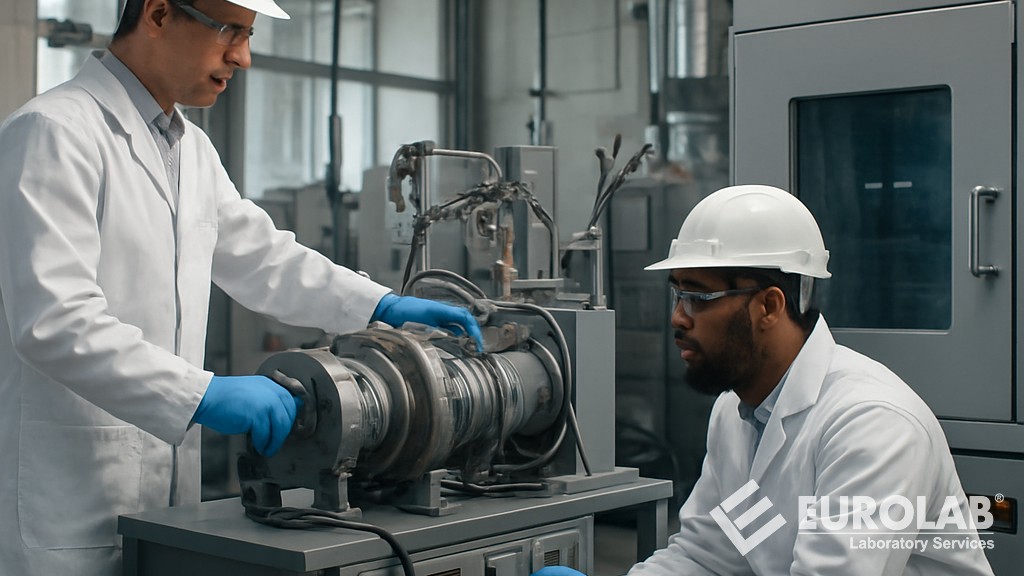
This testing method is used on components and assemblies (up to entire engines and transmissions) to identify and eliminate marginal sealing designs or materials. Design significantly influences test results. Production-ready or intended-to-manufacture parts should be used.
This method is suitable for evaluating all static powertrain seals and gaskets that are subjected to thermal cycling during service. It is based on European and North American passenger car and light commercial vehicle applications. Other regional or vehicle applications, such as heavy-duty trucks, may not be subjected to the thermal cycling described in this standard.
This test permits the optional use of mechanical devices to apply motion or load to any test setup. High-temperature applications (e.g., cylinder head, exhaust, turbo) or exhaust gas recirculation seals are outside the scope of this test.
The test fluid circulation system of each test unit must allow for continuous and gradual oxidative degradation of the test oil until the end of the test. Fluid degradation is measured using appropriate fluid industry tests. Without blow-off or positive crankcase ventilation recirculation provisions, this test does not simulate oil degradation under engine operating conditions.
GMW 3155 is a technical standard that defines a thermal cycling test method used to evaluate the durability and sealing performance of powertrain sealing systems. This standard is widely applied in the automotive industry to verify sealing components such as gaskets, seals, and interfaces under simulated real-world operating conditions.
The primary objectives of the GMW 3155 standard are as follows:
The test evaluates complete systems, including the following:
They are generally used in a variety of components, from individual gaskets to complete engines and transmissions.
The test is primarily based on the thermal cycling principle. The essence of the GMW 3155 standard is thermal cycling, which simulates real operating conditions by exposing components to repeated temperature changes.
The key features are as follows:
The GMW 3155 standard is specifically designed for the automotive industry for the following purposes:
It is particularly suitable for static seals exposed to thermal cycling in passenger cars and light commercial vehicles.
These supplementary tests help in the analysis of the following:
However, despite its comprehensive nature, the GMW 3155 standard has some limitations:
Modern powertrain systems operate under the following conditions:
Without rigorous verification such as the GMW 3155 standard,
Therefore, this standard is considered necessary to ensure the durability, safety, and performance of automotive sealing systems.
The GMW 3155 standard is important because it directly addresses one of the most critical reliability risks in automotive systems: seal failure under real-world operating conditions. In modern vehicles, even a small leak can lead to major performance, safety, and cost issues. The main reasons why this standard is considered important are as follows:
In conclusion, the GMW 3155 standard is a significant validation standard in automotive engineering, focusing on the long-term performance of sealing systems under thermal cycling conditions. By simulating real-world environments, it enables manufacturers to deliver reliable, leak-free powertrain systems.
For many years, our organization, with its competent and experienced staff, has been understanding the needs of its clients, providing the advanced testing services they require, and assisting them in the establishment, implementation, and improvement of management systems. Within this framework, we also provide testing services in accordance with the GMW 3155 standard.
To get an appointment, to get more detailed information or to request an evaluation, you can ask us to fill in our form and reach you.

