

Developed by Fiat Chrysler Automobiles (FCA) (now Stellantis), an Italian-American automotive company, the Fiat 50455 standard is not a single specification but a family of test methods. It mainly consists of the following sub-sections:
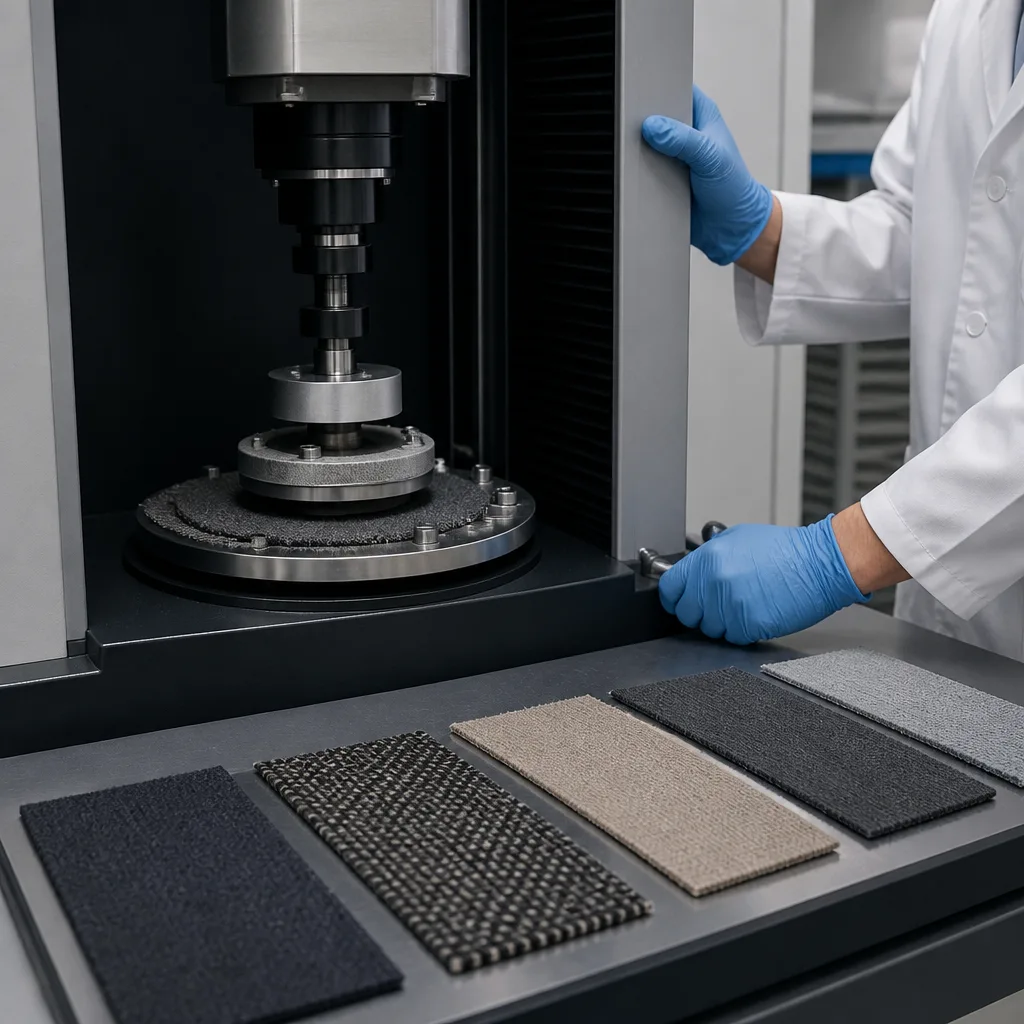
These standards are an internal automotive material specification primarily used to evaluate the durability and performance of textile upholstery and interior trim materials. They are generally associated with resistance tests against:
The Fiat 50455 standard was developed to ensure that interior materials used in Fiat vehicles maintain their appearance and structural integrity throughout the vehicle's lifespan. Automobile interiors are exposed to:
Without stringent material performance requirements, fabrics can fade prematurely, crack, peel, or lose their strength.
The FIAT 50455 standard is generally applied in the following areas:
The common performance requirements for the sub-sections are as follows:
Fiat 50455 standards are generally used in conjunction with ISO textile methods:
While these international methods provide laboratory procedures, the Fiat 50455 standard defines automotive acceptance criteria specific to vehicle interior applications.
Fiat 50455 standards are important because vehicle interiors are subjected to years of mechanical and environmental stress. Compliance helps manufacturers ensure the following:
For automotive suppliers, meeting the requirements of the Fiat 50455 standard for the approval of textile and upholstery materials used in production programs is often necessary.
From an engineering perspective, the Fiat 50455 standards contribute to the following:
Fiat 50455-04 Dimensional Stability of Vinyl Wraps
This standard is an internal automotive materials testing standard used to evaluate how vinyl-based interior trim materials behave when subjected to thermal and environmental stress. This standard focuses on measuring the following dimensional changes in vinyl coverings used inside vehicles:
Automotive vinyl materials are subjected to demanding service conditions, including:
This standard ensures that vinyl wraps retain their original dimensions and appearance for the entire lifespan of the vehicle. This standard generally applies to:
The test typically measures dimensional change after controlled environmental exposure. Typical assessments include:
Fiat 50455-08 Amine Contamination Resistance
This standard is a Fiat automotive material testing specification and is used to evaluate the resistance of interior materials to discoloration or abrasion caused by amine compounds. This standard applies primarily to automotive interior trim materials that may be exposed to volatile amines released from the following sources:
Some amine compounds can chemically react with paints, coatings, or polymer surfaces, leading to the following:
This standard ensures that interior materials remain visually stable when exposed to these contaminants throughout the vehicle's lifespan. Typical materials tested include:
Fiat 50455-09 Automotive Interior Fabrics Long-Term Abrasion Resistance
This standard is an internal automotive testing specification relating to the abrasion resistance and long-term use behavior of automotive interior fabrics and upholstery materials. It is used to evaluate how textile or coated interior materials resist surface degradation caused by repeated friction during vehicle use.
This standard relates to the following situations:
Vehicle interior fabrics are constantly exposed to the following:
This standard ensures that interior materials maintain the following under long-term use conditions:
Typical materials tested include:
Typical characteristics evaluated include:
Fiat 50455-10 Determination of Fabric Abrasion Resistance by Taber Method
This standard is an automotive material testing standard used to evaluate the abrasion resistance of fabrics, coated textiles, and interior upholstery materials. This specification is widely used in the qualification of automotive upholstery.
This standard measures how well a material withstands repeated abrasive wear similar to real vehicle use. These include:
The aim is to ensure that the interior materials maintain both their functional durability and visual appearance characteristics throughout the vehicle's lifespan.
This standard utilizes the Taber abrasion method, in which a rotating specimen is subjected to friction from two abrasive wheels under controlled loading conditions. The Taber system creates a repeated abrasion pattern that simulates long-term surface wear.
The materials typically tested include:
The characteristics evaluated are as follows:
For many years, our organization, with its competent and experienced staff, has been understanding the needs of its customers, providing the advanced testing services they require, and assisting them in the establishment, implementation, and improvement of management systems. Within this framework, we also provide testing services in accordance with Fiat 50455 standards.
To get an appointment, to get more detailed information or to request an evaluation, you can ask us to fill in our form and reach you.

