

The standard, “SAE J2412 Accelerated exposure of automotive interior trim components using controlled-beam xenon arc apparatus,” developed by the American Society of Automotive Engineers (SAE), describes the operating procedures for a controlled-beam, xenon arc apparatus used for accelerated exposure of various automotive interior trim components.
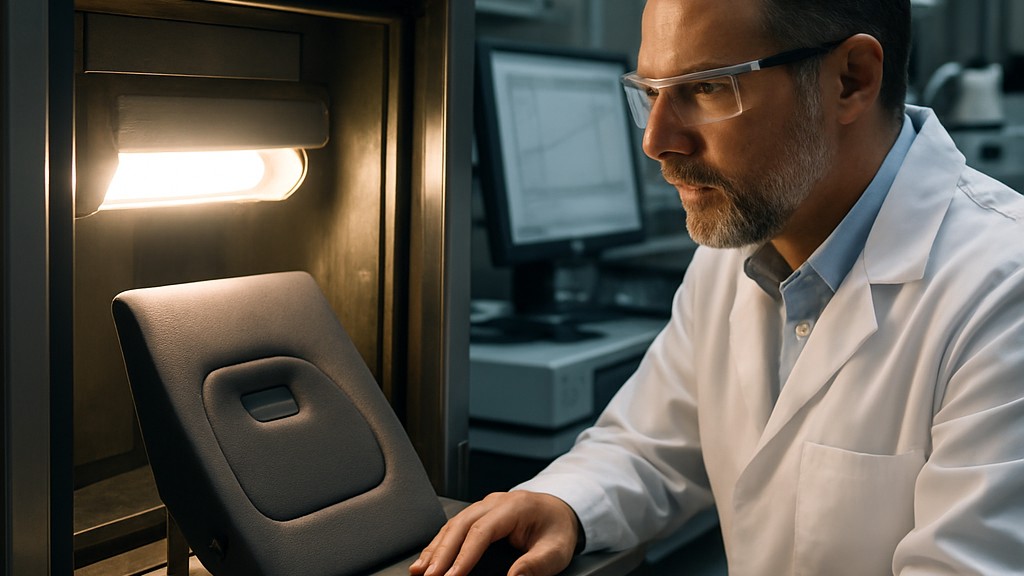
In the fast-paced world of automotive manufacturing, ensuring the longevity and durability of interior components is crucial. Vehicles are no longer simply means of transportation; they are also extensions of our personal spaces, subject to environmental stressors like sunlight filtering through windows. This is where the foundational SAE J2412 standard, which simulates these conditions in a controlled and accelerated manner, comes into play. This standard helps engineers and manufacturers predict how materials like plastics, textiles, and upholstery will perform over their lifetimes, spanning years.
The SAE J2412 standard includes a performance-based test method specifically designed for automotive interiors. This method focuses on simulating indoor sunlight, unlike outdoor exposure tests like the SAE J2527 standard, which simulate full sunlight on exterior components, such as instrument panel plastics or seat fabrics baking under the windshield.
The primary goal of this standard is to accelerate the aging process caused by ultraviolet (UV) radiation, visible light, and heat, which alter the sunlight spectrum that filters through glass and reaches the interior. By compressing years of exposure into hours or days, this standard allows for rapid assessment without waiting for real-world degradation.
This standard is based on the broader parameters of SAE J1885, but adapted for controlled irradiation, ensuring reproducibility in laboratories worldwide. It specifies the operating procedures for xenon arc devices, including test times, irradiance levels, and monitoring protocols. Test times vary; some operate for fixed hours, while others operate at a specific energy dose in kilojoules, but the primary emphasis is on simulating realistic service life conditions.
At the core of this testing method, a xenon arc lamp, housed in a weather-sealed chamber, is used to simulate the solar spectrum behind automotive glass. The steps in this process are as follows:
This method utilizes the ASTM G155 standard for general xenon arc applications but is much more precise, eliminating the guesswork in parameter selection.
The SAE J2412 standard forms the basis for quality assurance for automobile manufacturers and interior material suppliers. It is particularly vital for:
Similar principles apply to other sun-exposed products besides automobiles, such as aircraft cabins or luxury furniture, but the SAE J2412 standard is automotive-specific.
Ultimately, the SAE J2412 standard is a testament to engineering foresight by transforming the invisible threat of sunlight into measurable data. By accelerating the effects of time on automotive interiors, it preserves passenger comfort and vehicle resale value. For manufacturers, this isn't just a test; it's a way to create cars that age gracefully. As we move toward a greener, smarter era of mobility, these and similar standards are becoming increasingly popular.
Our organization, with its competent and experienced team, has been understanding the needs of its customers for years, providing them with the advanced testing services they need, and assisting them in the establishment, implementation, and improvement of management systems. In this context, we also provide testing services in accordance with the SAE J2412 standard for "Accelerated Exposure of Automotive Interior Trim Components Using Controlled Irradiation Xenon Arc Apparatus."
To get an appointment, to get more detailed information or to request an evaluation, you can ask us to fill in our form and reach you.

