

The “TPJLR.52.104 Determination of volatile organic compound (VOC) emissions from interior trim materials” standard, published by Jaguar Land Rover Limited (JLR), is a standard relating to indoor air quality in vehicles. This standard is used to determine the amount of volatile organic compounds (VOCs) and carbonyl compounds (particularly formaldehyde) emitted from vehicle interior trim materials (leather, fabric, plastics, foam, adhesives, coatings).
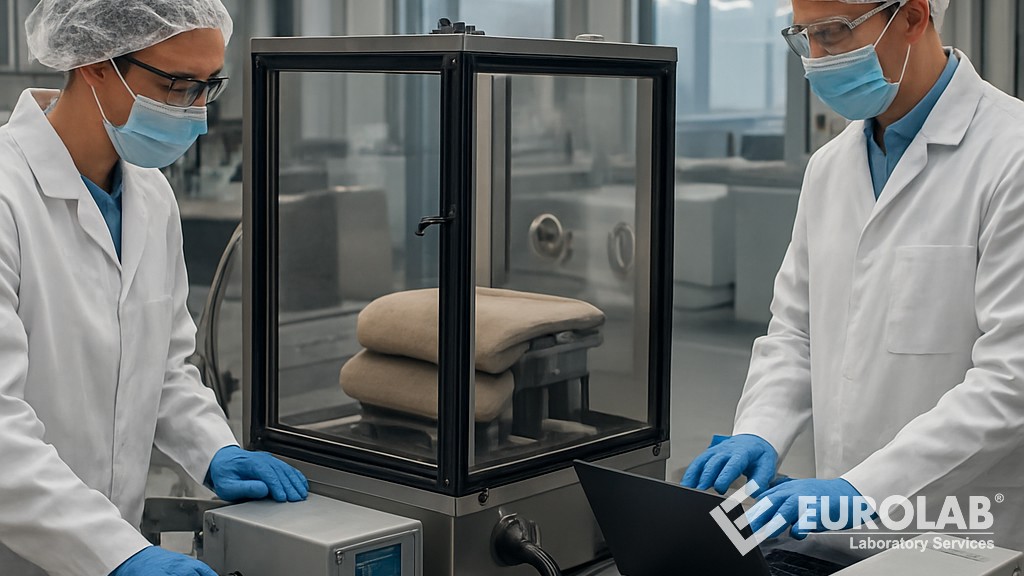
When determining VOC emissions from interior trim materials, a micro-chamber/thermal aspirator device is used. This method is very similar to the “ISO 12219-3 Interior air of road vehicles - Part 3: Screening method for the determination of volatile organic compounds emitted from vehicle interior parts and materials - Micro-scale chamber method” standard and is referenced by many laboratories.
While this test is being administered,
The aim of this method is to control the new car smell inside the vehicle and to limit the release of volatile organic compounds/formaldehyde, which are harmful to passenger health.
In modern vehicles, interior material quality is no longer just about aesthetics, but also about health and comfort. Jaguar Land Rover supports its promise of low emissions and clean interior air, especially in its luxury segment vehicles, with this standard.
The scope and applicability of this standard are as follows:
This method is preferred for the following reasons:
The TPJLR.52.104 standard is very similar to the following standards:
Meanwhile, this standard differs from the “ISO 12219-2 Interior air of road vehicles - Part 2: Screening method for the determination of volatile organic compounds emitted from vehicle interior parts and materials - Bag method” standard or from direct thermal desorption (VDA 278 standard).
Particularly in recent years, with increasing consumer awareness of indoor air quality and rising regulatory pressure in various countries, original equipment manufacturers like JLR are using stringent material emission limits to differentiate their vehicles. Low volatile organic compound (VOC) interiors reduce the risk of eye, nose, and throat irritation, headaches, or long-term exposure to substances such as benzene, toluene, and formaldehyde.
In short, the TPJLR.52.104 standard represents JLR's technical commitment to designing cleaner, healthier, and more enjoyable vehicle cabins.
The purpose of the TPJLR.52.104 standard test method is the quantitative determination of VOC and carbonyl emissions from interior upholstery materials. A wide variety of materials commonly found in vehicle interiors are within the scope of these tests. For example, coated and uncoated textiles, leather and leather products, polymer materials (plastics and elastomers), composites and foams, and functional layers and biomaterials.
Volatile organic compounds (VOCs) are chemicals that readily evaporate into the air at room temperature. In vehicles, they can originate from adhesives, plastics, coatings, textiles, and other components. High VOC levels can cause unpleasant odors, irritation or discomfort, and health problems for sensitive individuals. Automobile manufacturers set VOC limits to ensure comfortable and safe cabin environments, especially in premium and luxury vehicles. The TPJLR.52.104 standard is one of the standardized ways to assess compliance with these requirements. The ISO 12219-3 standard is a widely accepted international screening method for VOC emissions, and the TPJLR.52.104 standard is an original equipment manufacturer (OEM) version adapted to JLR's own internal requirements.
For many years, our organization, with its competent and experienced staff, has been understanding the needs of its clients, providing the advanced testing services they require, and assisting in the establishment, implementation, and improvement of management systems. Within this framework, we also provide testing services to businesses in accordance with the "TPJLR.52.104 Determination of volatile organic compound (VOC) emissions from interior floor coverings (micro chamber)" standard.
To get an appointment, to get more detailed information or to request an evaluation, you can ask us to fill in our form and reach you.

