

The standard “EP 84 610.21 Permanent load on the armrest” published by the Volkswagen automobile company describes a test method for determining the fatigue strength of the door armrest among automotive plastic products.
The results of armrest fatigue test are affected by many factors. A direct relationship has been found between the test results and the three factors of temperature, frequency and test loading order. First of all, high temperature has a significant impact on the test results. As the temperature increases, the probability of damage to the sample increases, there is an obvious linear relationship between frequency and test results, that is, the slower the loading frequency, the easier the test will fail. High temperature and low frequency test conditions are the most serious working conditions that cause test failure, and low temperature first, then high temperature will make the test results worse.
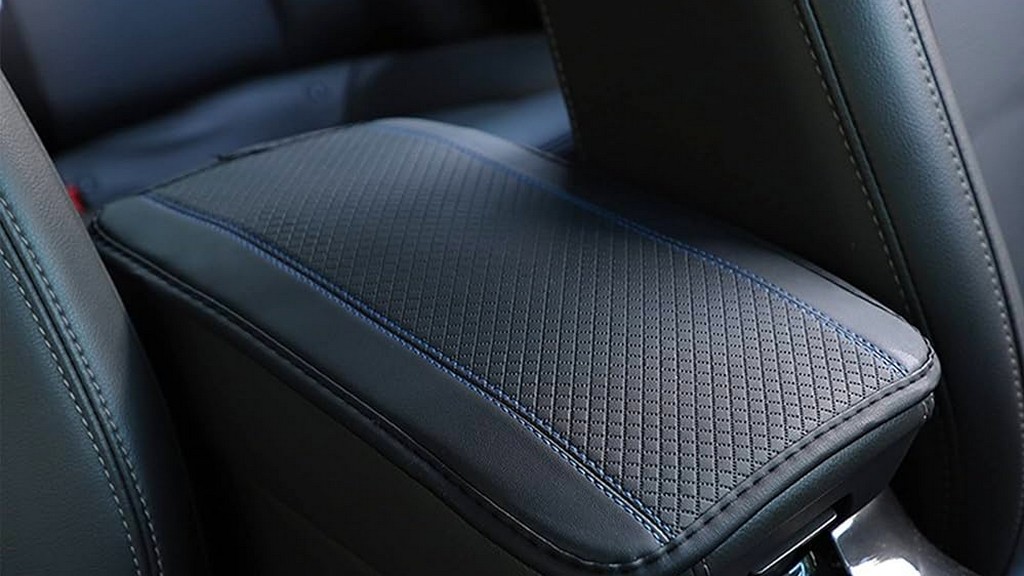
Car door armrests, also known as support arms, are generally made of a frame and fabric covering. They are an important part of the car door panel. Their design and quality of materials directly affect the passenger experience and are important indicators for evaluating the door panel.
Nowadays, armrest performance testing is a test that must be done by all automobile original equipment manufacturers and auto parts manufacturers. In this regard, Volkswagen's relevant armrest test standards EP84610.10, EP84610.21 and EP84610.22 standards as well as Mazda's armrest inspection standard MES PA68420 have been published. Among the numerous inspection standards, armrest fatigue endurance test is considered the only test that examines the comfort and appearance of the armrest.
Since other test methods only require the armrest frame to meet the performance requirements of no damage, no loss of function, and no interference with surrounding connectors, they focus on whether the armrest can ensure the safety of the driver and passengers and maintain the passenger's body balance when a large excessive force or side collision occurs during use. The armrest fatigue test, on the other hand, not only requires the frame to meet the above conditions in long-term use, but also requires the frame's coating material, that is, the surface material of the armrest is not allowed to have visible deformation or contour change.
Therefore, the fatigue endurance test is a comprehensive test of the armrests. Whether the armrests meet the fatigue endurance test requirements is a way to improve the operational convenience of drivers and passengers, improve driving comfort, and reduce fatigue during long-term use.
The test, called the armrest fatigue endurance test, includes the following steps: the door panel is simulated under various working conditions, and the handrail is subjected to a continuous load of a certain size according to a certain loading principle, and then a continuous cyclic load is applied to the door panel, thereby measuring the fatigue life of the handrail.
There are many factors that affect the results of fatigue endurance tests, such as the magnitude of the loading force, the frequency of the loading force, the temperature and humidity of the surrounding environment, and so on. At present, the conditions for each working condition are different. Among the original equipment manufacturers, the factors that largely affect the selection are: temperature, loading force and frequency, and the order of the working condition tests. The specific values also vary.
Among the numerous tests, measurements, analyses and evaluation studies that our organization has carried out for businesses in various sectors, it also provides testing services defined in the “EP 84 610.21 Permanent load on armrest” standard with its trained and expert staff and advanced technological equipment.
To get an appointment, to get more detailed information or to request an evaluation, you can ask us to fill in our form and reach you.

