

The “BMW AA 0254 Film thickness measurement (Eddy current and magnetic inductive method)” standard, developed by BMW, a multinational vehicle manufacturer, describes an internal test method that defines the procedure for measuring the thickness of coatings (such as paint layers, primers or protective films) on vehicle components within the BMW Group.
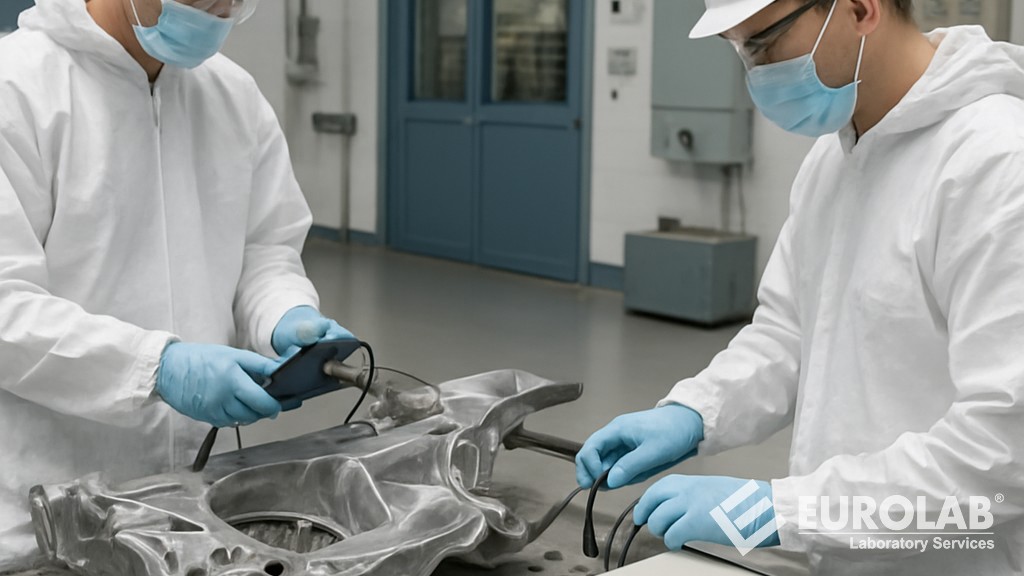
This standard ensures consistent and accurate measurement of coating thickness in quality control, production approval, and material verification processes. Coating thickness is critical in automotive manufacturing because:
This standard applies specifically to painted or coated metallic surfaces in BMW vehicles and parts, including body panels, upholstery, and other components where precise film thickness control is required.
The BMW AA 0254 standard, like similar standards, exhibits the following typical characteristics:
These tests are generally more rigorous than the classic neutral salt spray test according to ISO 9227 or ASTM B117 standards, as they better simulate real-world conditions (road salt, humidity cycles, temperature fluctuations) a vehicle might encounter.
Typical test parameters are as follows:
The BMW AA 254 standard specifies two non-destructive testing techniques:
Both methods are contact-based (probe application to the surface) or, in some devices, contactless, and comply with principles similar to international standards such as ISO 2178 (magnetic method) and ISO 2360 (Eddy current method). However, they have been adapted to BMW's specific requirements regarding repeatability, calibration, and acceptance criteria.
The key aspects of the process are as follows:
This test is frequently used as part of a comprehensive surface quality assessment, often in conjunction with other BMW standards such as color measurement (e.g., BMW AA 0354), gloss assessment (e.g., BMW AA 0257), or corrosion resistance (e.g., BMW AA 0224 cyclic corrosion test).
BMW places very high demands on corrosion protection of visible painted parts (body, additional parts, chassis components). Suppliers of painted plastic parts, exterior trim, wheels or body panels must demonstrate compliance with the BMW AA 0254 standard, among other standards, where:
Failure to meet creep, blistering, or adhesion limits usually results in batch rejection or even loss of supplier status.
The BMW AA 0254 standard helps maintain high standards of durability and aesthetics in production. Suppliers and testing laboratories regularly perform this measurement to verify compliance in part approval processes.
The BMW AA 0254 standard defines a standardized procedure for measuring coating thickness (film layer) using eddy current and magnetic inductive methods. This standard exists because precise control of paint and protective coating thickness is critical in modern automotive production, especially for BMW, which places great importance on durability, aesthetics, corrosion resistance, and long-term quality.
This standard is considered necessary for the following reasons:
In short, the BMW AA 0254 standard is a corrosion resistance test specification focusing on the long-term durability of painted surfaces under aggressive environmental conditions. It is part of BMW's comprehensive quality assurance system for exterior and visible components.
For many years, our organization, with its competent and experienced team, has been understanding the needs of its clients, providing the advanced testing services they require, and assisting them in the establishment, implementation, and improvement of management systems. Within this framework, we also provide testing services in accordance with the BMW AA 0254 standard.
To get an appointment, to get more detailed information or to request an evaluation, you can ask us to fill in our form and reach you.

